West Asia on the Brink: Coordinated US and Israeli Strikes on Iran Spark Regional Retaliation
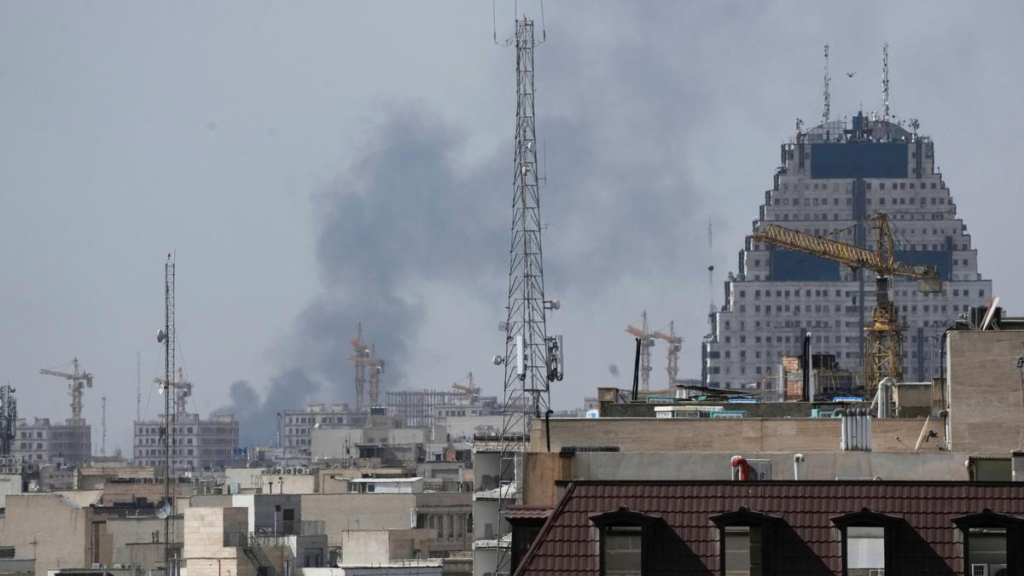
Tehran/Washington D.C.: The geopolitical landscape of West Asia has shifted dramatically following a series of coordinated military strikes launched by the United States and Israel against strategic targets within Iran. Code-named “Operation Epic Fury” by the U.S. and “Operation Genesis” by the Israeli Defense Forces, the strikes have targeted military infrastructure, air defense systems, and command centers across several Iranian cities, including Tehran, Isfahan, and Karaj.
The Spark and the Strike The operations began in the early hours of February 28, 2026, after weeks of escalating tensions regarding Iran’s nuclear program and regional influence. U.S. President Donald Trump confirmed the “major combat operation,” framing it as a necessary preemptive move to eliminate imminent threats and prevent nuclear proliferation. Israeli Defense Minister Israel Katz echoed this sentiment, describing the mission as an “unprecedented operation” to dismantle the capabilities of the Iranian regime.
Satellite imagery and local reports confirm significant damage to several government compounds. While the Iranian Foreign Ministry has reported civilian casualties, including a tragic strike near a school in southern Iran, the full extent of the damage remains shielded behind a “near-total” internet blackout currently affecting the country.
The Regional Domino Effect The fallout was instantaneous. Within hours, Iran launched a wave of retaliatory ballistic missiles and drones. Targets included U.S. military installations and strategic points across the Persian Gulf, impacting areas in Bahrain, Kuwait, Qatar, and the UAE.
Airspaces across the Middle East—including Iraq, Jordan, and Israel—have been closed, leaving thousands of travelers stranded as international airlines, including Air India and Lufthansa, suspended all flights to the region until at least March 7.
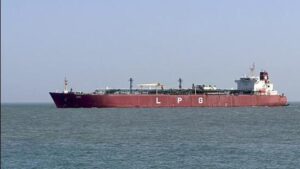
Economic and Global Impact Global markets are already reacting to the instability. With the IRGC threatening to close the strategic Strait of Hormuz, a vital artery for global oil supplies, energy experts warn of a potential surge in crude prices.
While the situation remains fluid, the international community is calling for immediate restraint. The UN’s nuclear watchdog (IAEA) has urged all parties to protect nuclear sites and avoid further escalation that could plunge the entire globe into a broader conflict.