West Asia war: World Bank, IMF, IEA announce coordination group amid energy crises| India News
Global Conflict’s Economic Echoes How Vulnerable Nations Bear the Brunt Key Takeaways from Omni 360 News
The world economy stands at a precarious juncture, navigating the complex fallout from ongoing international conflicts. A recent statement from the World Bank painted a stark picture, highlighting that the impacts are “substantial,” disproportionately affecting net energy importers and low-income countries. This assessment underscores a ripple effect that extends far beyond battlefields, touching the daily lives of millions through inflated prices and strained national budgets. Omni 360 News delves into the specifics, drawing insights from various local reports to understand the ground reality.
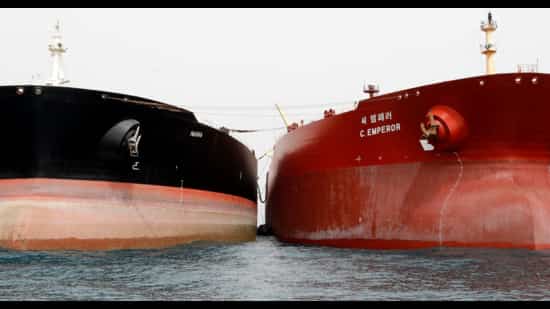
Understanding the World Bank’s concern begins with grasping global energy dynamics. Many nations, particularly developing economies, rely heavily on importing oil, gas, and other fuels to power their industries, transport systems, and homes. When global conflicts disrupt supply routes, reduce production, or simply inject uncertainty into markets, energy prices inevitably surge. This isn’t just about the cost at the pump; it’s about the fundamental cost of doing business and living.
The Energy Price Shockwave
For countries that import more energy than they produce, higher international prices translate directly into larger import bills. This drains national reserves, weakens local currencies, and feeds directly into inflation. Consider a nation like Sri Lanka, which has grappled with its own economic challenges exacerbated by global fuel price hikes. Local news outlets have frequently reported on the struggle of ordinary citizens to afford petrol, diesel, and cooking gas, leading to widespread public discontent and impacting everything from daily commutes to small businesses. Similarly, reports from parts of Sub-Saharan Africa often detail how increased fuel costs make essential goods, which need to be transported, more expensive, placing an unbearable burden on households already living on tight budgets.
Inflation, the general rise in prices and fall in the purchasing value of money, becomes a relentless force. When the cost of importing energy skyrockets, everything else that uses energy – manufacturing goods, transporting food, running factories – also becomes more expensive. This cost is then passed on to consumers. For a household in a low-income country, where a significant portion of income is spent on basic necessities like food and fuel, even a small percentage increase can mean the difference between a meal and hunger, or between sending a child to school and keeping them home.
Low-Income Nations on the Edge
Low-income countries are particularly vulnerable for several reasons. Many already contend with high levels of public debt, making it difficult to absorb additional economic shocks. Their currencies tend to be less stable, and they often lack the robust social safety nets that wealthier nations might use to cushion their citizens from price surges. When global food prices also rise, a common consequence of conflicts that disrupt agricultural production or export routes, these nations face a dual crisis of food and energy insecurity.
Local reports from various Southeast Asian and African nations frequently highlight the struggle of farmers facing higher fertilizer costs (often petroleum-derived), impacting crop yields and food supply. Small businesses, the backbone of many developing economies, find their operating costs spiraling, leading to reduced profits, layoffs, or even closures. Consider a small manufacturing unit in Bangladesh, dependent on imported raw materials and fuel for its machinery; a sudden spike in crude oil prices can severely jeopardize its viability, affecting hundreds of local jobs.
Furthermore, governmental budgets in these countries are stretched thin. They often subsidize fuel or food to protect their populations, but this becomes unsustainable as global prices climb, leading to difficult choices between supporting citizens and managing national debt. This economic strain can also divert crucial funds away from essential public services like healthcare and education, creating long-term developmental setbacks.
Key Takeaways
* Disproportionate Impact Global conflicts inflict substantial economic pain, with net energy importers and low-income countries bearing the heaviest burden.
* Inflationary Pressures Surging energy prices directly fuel inflation, making everyday necessities like food and transport significantly more expensive for ordinary citizens.
* Strained National Budgets Governments in vulnerable nations face immense pressure, often forced to choose between managing rising debt and providing vital subsidies to their populace.
* Threat to Livelihoods Small businesses and agricultural sectors are particularly hit by increased operating costs, leading to potential job losses and reduced economic activity.
* Urgent Need for Resilience The current climate underscores the critical need for global cooperation and the development of resilient, diversified economic strategies for vulnerable nations to buffer against future shocks.
The World Bank’s warning is a crucial reminder that economic stability is a shared global responsibility. As conflicts continue to cast long shadows, the international community faces the urgent task of supporting those most vulnerable to these pervasive economic tremors, ensuring that the burden is not disproportionately carried by those least equipped to bear it. Omni 360 News will continue to monitor these critical developments, offering insights into their evolving global and local impacts.