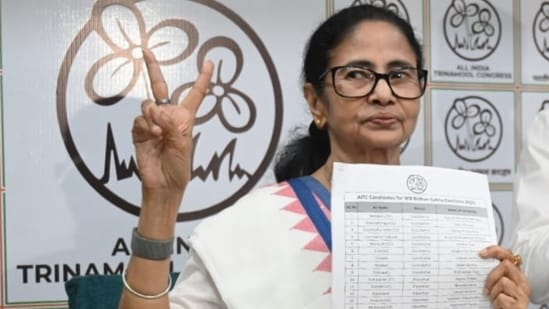
West Bengal elections 2026: TMC to contest 291 seats, releases full list of candidates| India News
Mamata Banerjee’s Bhabanipur Decision Unpacking The Local Stakes Key Takeaways
Kolkata, West Bengal – The political landscape of West Bengal is once again centered on a familiar constituency as Chief Minister Mamata Banerjee confirms her intention to contest from her long-held seat of Bhabanipur in Kolkata. This move, while expected by many, carries with it layers of strategic significance and local political resonance that merit close examination. For seasoned observers of state politics, the choice of Bhabanipur is more than just a nomination; it is a statement.
For those unfamiliar with the intricate dance of West Bengal elections, understanding Bhabanipur’s importance is crucial. Imagine a diverse neighborhood right in the heart of a bustling city, a place where different communities live side-by-side, each with their own concerns and political leanings. That’s Bhabanipur. It’s not just a collection of streets and homes; it’s a microcosm of Kolkata itself, known for its cosmopolitan character. Historically, this constituency has been Mamata Banerjee’s preferred electoral home, a place she has represented with considerable success, save for the recent state assembly elections where she contested Nandigram.
Bhabanipur’s Unique Political Fabric
What makes Bhabanipur such a compelling battleground? For starters, it is geographically central, nestled among affluent residential areas, traditional Bengali neighborhoods, and pockets with significant non-Bengali speaking populations, including Marwaris and Gujaratis. This demographic mix means that electoral outcomes are rarely one-sided. While the Bengali professional class often forms a strong support base for the Trinamool Congress, segments of the non-Bengali speaking population have, in recent years, shown inclinations towards the Bharatiya Janata Party. This makes securing a decisive victory here a testament to a candidate’s broad appeal and organizational strength.
Local reports and community discussions often highlight the specific issues that resonate with Bhabanipur residents. These range from civic amenities like drainage and waste management to concerns about local business environments and the overall law and order situation. A candidate’s ability to connect with these everyday realities, rather than just national or state-level rhetoric, often sways voters. Mamata Banerjee, affectionately known as “Didi” (elder sister), has a long history of direct engagement with the electorate, often seen walking through neighborhoods, listening to grievances, and participating in local festivities. This direct connection has traditionally been her strong suit in Bhabanipur.
The Path Back to a Familiar Turf
Mamata Banerjee’s decision to return to Bhabanipur follows her narrow defeat in Nandigram during the last assembly elections. Despite that personal setback, her party, the Trinamool Congress, secured a thumping majority, returning her to the Chief Minister’s chair. However, to remain Chief Minister, she must be elected to the assembly within six months. Bhabanipur, therefore, represents not just a constituency, but a strategic imperative. It’s a seat she understands intimately, a place where her party machinery is robust and well-oiled.
The local political narrative in Bhabanipur will likely focus on contrasting development promises, the state government’s performance, and the opposition’s ability to present a credible alternative. For the opposition, challenging Mamata Banerjee in her traditional stronghold is a high-stakes gamble. It offers an opportunity to make a significant political statement, even if victory seems distant. Local-level campaigning will involve door-to-door interactions, small rallies, and intense social media outreach, tailored to the specific demographics of each ward within the constituency.
Key Takeaways:
* Strategic Importance: Bhabanipur is Mamata Banerjee’s traditional stronghold, a crucial seat for her to secure her position as Chief Minister.
* Diverse Electorate: The constituency’s cosmopolitan mix of Bengali and non-Bengali speaking populations makes for a nuanced electoral contest.
* Local Connect: Mamata Banerjee’s long-standing personal rapport with Bhabanipur residents is a significant advantage.
* High Stakes for Opposition: Any strong performance by the opposition here would be a symbolic victory, even if not outright electoral success.
* Barometer for Public Mood: The outcome will be closely watched as an indicator of local sentiment and the broader political mood in Kolkata.
The upcoming by-election in Bhabanipur is more than just another political contest; it’s a reaffirmation of political identity, a strategic chess move, and a deep dive into the unique electoral dynamics of urban West Bengal. As residents prepare to cast their votes, the eyes of the state and indeed the nation will be firmly fixed on this pivotal Kolkata constituency, as reported by Omni 360 News. The narrative of Bhabanipur is not just about a leader; it’s about the pulse of a city and the aspirations of its diverse people.