
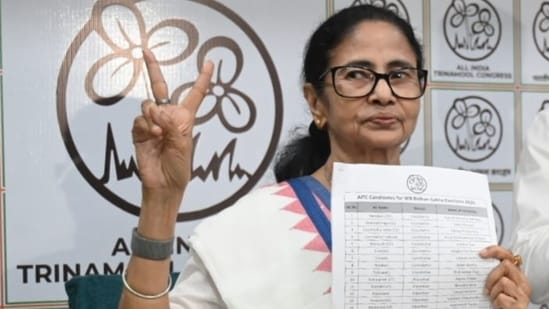
West Bengal elections 2026: TMC to contest 291 seats, releases full list of candidates| India News
Chief Minister Mamata Banerjee Stands Firm in Bhabanipur
Kolkata’s political landscape buzzes once more as the news confirms Chief Minister Mamata Banerjee’s intention to contest from her long-standing electoral fortress, Bhabanipur. This announcement, while anticipated by many seasoned political observers, solidifies a crucial strategic move, reaffirming her deep-rooted connection with a constituency often considered her political home. For anyone tracking West Bengal’s dynamic political narrative, this decision holds significant weight, shaping perceptions and setting the stage for future electoral contests.
Bhabanipur, nestled in the heart of South Kolkata, is more than just a legislative assembly seat; it represents a microcosm of urban Bengal. Its diverse populace, comprising various linguistic and ethnic groups, has historically shown a strong inclination towards the state’s dominant political forces. Over the years, this constituency has witnessed significant political battles, yet it has largely remained a bastion for Mamata Banerjee, underscoring her direct appeal to its residents.
Understanding the significance of Bhabanipur requires a brief look at its social fabric. The area is a vibrant mix of residential zones, commercial hubs, and educational institutions. From long-established Bengali families to a substantial population of non-Bengali speakers, particularly from Marwari and Gujarati communities, Bhabanipur offers a unique blend of cultures and priorities. Local news reports have consistently highlighted the intricate balance of interests that a leader must address here – from civic amenities and infrastructure development to cultural preservation and economic opportunities. This complex demography means that securing victory in Bhabanipur is not merely about party loyalty, but about connecting with a diverse electorate on multiple levels.
Mamata Banerjee’s association with Bhabanipur dates back many years. She previously secured victories from this seat, demonstrating her unwavering hold and the trust placed in her by its voters. While she made a strategic decision to contest from Nandigram in a prior high-stakes election, her return to Bhabanipur for the upcoming electoral challenge speaks volumes. It signals a strong message of confidence in her traditional base and an acknowledgment of the profound relationship she shares with the people of this area. This move is not just a tactical choice; it is a reaffirmation of a bond forged over decades.
For students of political science or even a curious 12th standard student trying to grasp the nuances of elections, this situation offers valuable insights. When a prominent political leader chooses a particular constituency, it’s often for several reasons. Firstly, it might be their traditional stronghold, offering a safer path to victory. Secondly, it could be a seat where their personal popularity transcends party lines. Thirdly, it might be strategically chosen to galvanize party workers and send a clear message to rivals about the leader’s unwavering resolve. In Mamata Banerjee’s case with Bhabanipur, all these factors appear to be in play. The constituency is perceived as her comfort zone, a place where her direct outreach and grassroots connection yield significant results.
The implications of her decision extend beyond Bhabanipur itself. It impacts the morale of her party, the Trinamool Congress, bolstering their confidence by demonstrating the leader’s stability and strength. For opposition parties, it presents a clear challenge. They must now formulate their strategies to counter not just the Trinamool Congress, but also the personal charisma and established legacy of Mamata Banerjee in her home turf. The contest in Bhabanipur will undoubtedly draw statewide, and even national, attention, becoming a focal point of political analysis and media scrutiny.
Local voices, often amplified through community newspapers and digital platforms like Omni 360 News, reveal a mix of sentiments. Many residents express a sense of pride in having the Chief Minister represent them, believing it ensures better attention to their needs and development projects. Others, reflecting differing political viewpoints, are eager for a competitive fight, hoping their concerns will be addressed by all candidates vying for the seat. These ground-level discussions are vital, providing a real-time pulse of public opinion that often goes unnoticed in larger, national narratives.
Key Takeaways:
* Chief Minister Mamata Banerjee will contest from her traditional seat of Bhabanipur.
* Bhabanipur is a diverse urban constituency in South Kolkata, historically a stronghold for Banerjee.
* Her decision signals confidence in her base and reinforces her strong connection with the local populace.
* The move has significant strategic implications for her party and poses a direct challenge to the opposition.
* The contest will be a focal point in West Bengal politics, demonstrating the enduring bond between a leader and her chosen electorate.
In conclusion, Mamata Banerjee’s choice to contest from Bhabanipur is more than just a candidate announcement; it is a declaration of political intent and a reaffirmation of her deep ties to the constituency. As the electoral process unfolds, all eyes will be on Bhabanipur, not merely to see who wins, but to observe the dynamics of a leader re-engaging with her familiar electorate, setting the tone for the political discourse across West Bengal. This is a story of tradition, strategy, and the enduring power of political connection.