West Bengal rolls out SOP to tackle LPG shortage amid West Asia conflict| India News
State Establishes LPG Crisis Response Amid Supply Shortages
As daily life across the state faces growing pressure from disruptions in Liquid Petroleum Gas (LPG) supply, local authorities have moved swiftly to establish a dedicated 24×7 control room and public helplines. This decisive action comes as vital institutions like schools, hospitals, restaurants, and community temples grapple with significant shortages, a direct consequence of ongoing supply chain interruptions stemming from the West Asia conflict. This comprehensive state response aims to mitigate immediate impacts and ensure the steady delivery of this essential fuel.
Understanding the LPG Shortage
To grasp the current situation, it helps to understand what LPG is and why its supply is now unstable. LPG, commonly known as cooking gas, is a blend of petroleum gases used widely for cooking, heating, and even some industrial processes. Much of the world’s LPG, like crude oil, originates from regions in West Asia. Think of it like a global interconnected plumbing system: when a major pipe in one part of the world gets damaged or experiences problems, it can affect the flow of water everywhere, even far away.
The ongoing conflict in West Asia has created just such a disruption. While the immediate conflict might seem distant, its ripple effects are felt globally. Shipping routes become riskier, production might slow down, or the costs of transport and insurance simply skyrocket. This chain reaction means less LPG reaches our state, leading to a noticeable shortfall in local availability and, in some cases, price increases. For a state heavily reliant on imported LPG to meet its energy needs, these global events translate directly into local challenges.
Critical Institutions Under Strain
The impact of these supply disruptions is not merely an inconvenience; it threatens the fundamental operations of key community services.
Schools: Midday meal programs, a lifeline for many students, rely heavily on LPG for cooking. Shortages mean schools are scrambling for alternative cooking fuels, potentially delaying meals or forcing dietary changes, impacting the nutrition and well-being of young learners. Parents and school administrators are expressing concern over the logistics of feeding hundreds of children daily without reliable gas.
Hospitals: In healthcare settings, LPG is crucial not just for cooking patient meals but also for sterilization processes, heating water, and even powering some essential equipment. Any disruption poses a direct risk to patient care, hygiene standards, and the overall operational efficiency of medical facilities. Local health officials are working closely with gas distributors to ensure critical care units remain unaffected.
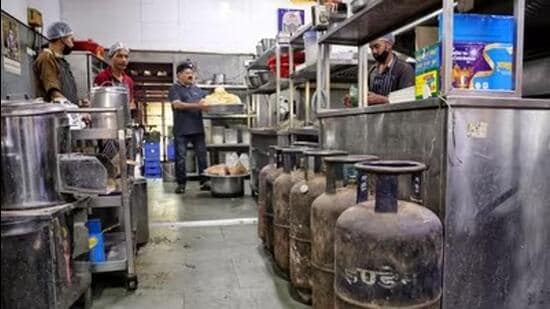
Restaurants: The hospitality sector, a significant employer, is feeling the pinch acutely. From small cafes to large dining establishments, many businesses depend entirely on LPG. Prolonged shortages force restaurants to limit menus, reduce operating hours, or even temporarily close, threatening livelihoods and the local economy. Some smaller eateries are resorting to electric stoves or traditional wood-fired ovens, which can be less efficient and more costly.
Temples and Community Kitchens: Many religious institutions operate community kitchens, often serving thousands of free meals daily, known as ‘langars’ or ‘prasadam.’ These services are vital for vulnerable populations. The LPG crisis directly impairs their ability to uphold these charitable commitments, impacting community support networks. Volunteers are exploring options like biomass-based cooking systems to sustain their services.
State’s Proactive Intervention
Recognizing the gravity of the situation, the state government has wasted no time in establishing a 24×7 LPG Control Room. This central hub is designed to be the nerve center for managing the crisis. Its primary functions include:
* Real-time Monitoring: Tracking LPG stock levels across the state, monitoring distribution channels, and identifying areas experiencing severe shortages.
* Coordination: Acting as a liaison between LPG distributors, local administrations, and affected institutions to prioritize supply to critical sectors like hospitals and schools.
* Complaint Resolution: Operating dedicated helplines (numbers disseminated through local channels) where citizens and institutions can report supply issues, price gouging, or difficulties in obtaining refills. Swift action is promised on all reported grievances.
* Information Dissemination: Providing accurate updates to the public, combating misinformation, and guiding consumers on efficient LPG usage during this challenging period.
State officials have urged all LPG agencies and distributors to cooperate fully with the control room, emphasizing that any hoarding or black-marketing of cylinders will be met with strict action. The public is also encouraged to report such instances directly to the helplines.
The Path Forward
While the immediate objective is to manage the current shortages, the long-term solution remains tied to the geopolitical stability in West Asia and the diversification of energy sources. For now, the state’s prompt establishment of the 24×7 control room is a crucial step in cushioning the blow for its citizens and vital institutions. This comprehensive approach, a focus for Omni 360 News, highlights the commitment to navigate complex global challenges with effective local solutions. The administration continues to appeal for public patience and cooperation, underscoring the collective effort required to overcome these unprecedented supply disruptions.
Key Takeaways:
* The state has launched a 24×7 LPG control room and helplines to address widespread shortages.
* The crisis is linked to supply disruptions caused by the ongoing conflict in West Asia.
* Schools, hospitals, restaurants, and temples are severely affected, impacting essential services and livelihoods.
* The control room will monitor supply, coordinate distribution, and resolve public complaints.
* Citizens are urged to use helplines to report issues and cooperate with conservation efforts.