West Bengal rolls out SOP to tackle LPG shortage amid West Asia conflict| India News
State Establishes LPG Helpline Amid Supply Crunch Impacting Essential Services Key Takeaways
A significant energy challenge has prompted state authorities to launch a dedicated 24×7 control room and emergency helplines, addressing widespread shortages of Liquefied Petroleum Gas (LPG). This decisive action comes as the scarcity begins to severely impact critical institutions, including schools, hospitals, restaurants, and places of worship, underscoring the delicate balance of global supply chains and local daily life. The disruptions are directly linked to ongoing conflicts and instability in the West Asia region, highlighting how distant geopolitical events can ripple into the kitchens and clinics of communities far removed.
For many households and commercial establishments, LPG is not merely a convenience; it is the lifeblood of daily operations, cooking, and even essential medical services. The current supply strain threatens to disrupt this fundamental dependency, pushing the state administration to prioritize immediate, coordinated relief efforts.
The Unfolding Shortage Unpacked
LPG, a mixture of propane and butane, is a versatile and widely used fuel. Its ease of storage and high energy content make it ideal for cooking, heating, and industrial processes. A substantial portion of the nation’s LPG supply relies on imports, often sourced from the volatile West Asia region. When stability falters there, as it has with recent conflicts, the journey of these vital fuel shipments becomes fraught with challenges. Shipping routes face delays, insurance premiums for vessels rise, and the overall volume of available gas can fluctuate dramatically. This complex interplay of international politics and logistics inevitably translates into delays at local distribution centers and, subsequently, a noticeable reduction in cylinders reaching end-users. Local distributors, from the bustling city centers to remote villages, report unprecedented waiting times and a struggle to meet regular demands, a scenario rarely witnessed with such intensity.
Immediate Impact on Key Sectors
The effects of this tightening supply are not uniform; they disproportionately burden institutions where consistent energy access is paramount.
* Hospitals: In medical facilities, LPG is critical for cooking meals for patients, staff, and visitors, ensuring nutritional support during recovery. Beyond the kitchen, some sterilization processes, water heating, and even auxiliary power generators rely on LPG. Any interruption here can compromise patient care and sanitation standards, creating a grave concern for public health officials. Administrators at the regional medical center noted a concerning depletion of their reserves, requiring them to explore costly and less efficient alternatives.
* Schools: Educational institutions, especially those with residential facilities or those participating in mid-day meal programs, are feeling the pinch acutely. A sudden lack of LPG can halt meal preparation, directly impacting the nutrition and well-being of thousands of students. A local school principal expressed deep concern, stating that “feeding our children wholesome meals is non-negotiable, and this shortage is creating an immense logistical challenge for our kitchen staff.”
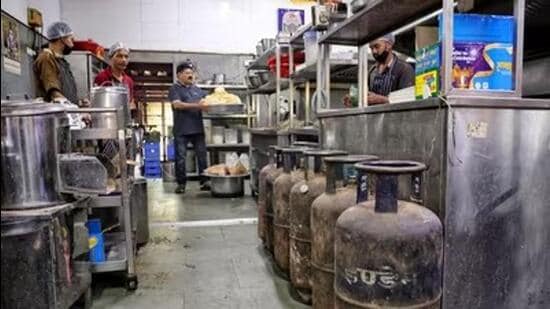
* Restaurants: The culinary sector, a significant employer and economic driver, faces immediate operational hurdles. From small eateries to large dining establishments, LPG fuels the stoves and ovens that define their business. Many restaurants are now grappling with reduced menus, forced closures, or a desperate search for alternative, often more expensive, fuels like electric induction, which requires significant upfront investment and can be less efficient for high-volume cooking. This directly impacts livelihoods and local economies.
* Temples and Places of Worship: Many temples and community centers operate extensive kitchens, providing free meals (langar or annadaan) to thousands daily as part of their charitable and spiritual mandates. These community kitchens, often relying heavily on large LPG cylinders, are now finding it increasingly difficult to sustain their services, leading to concerns about food insecurity for vulnerable populations who depend on these offerings.
The State’s Response: A Lifeline Extended
Recognizing the gravity of the situation, the state government has acted swiftly, establishing a centralized 24×7 LPG Control Room. This facility is tasked with monitoring supply and demand across all districts, coordinating with distributors, and ensuring equitable allocation, particularly to critical sectors.
Alongside the control room, dedicated helplines have been activated, allowing citizens, institutions, and businesses to report specific instances of shortage or non-delivery. These helplines are designed to provide immediate assistance, troubleshoot delivery issues, and prioritize requests from hospitals, schools, and other essential services. A special task force has also been constituted to conduct real-time assessments and implement rapid intervention strategies, aiming to prevent any complete disruption of vital services. The government assures citizens that all reported issues will be addressed promptly, with a focus on transparency and accountability.
Voices from the Ground
The human impact of the shortage is palpable. Mrs. Sharma, who runs a small diner, shared her struggle: “We’ve cut our operating hours, and customers are noticing. Every day is a gamble on whether we’ll get our supply. It’s hard to keep our doors open.” At the city’s largest hospital, Chief Administrator Mr. Rao emphasized, “While we have contingency plans, a prolonged shortage could severely strain our resources, especially concerning patient nutrition and hygiene.” For the local gurudwara committee, the concern is deep: “Our langar serves hundreds daily. To reduce that service due to a gas shortage would be heartbreaking for our community.”
Broader Economic and Social Implications
Beyond the immediate operational challenges, the LPG shortage carries broader economic and social implications. Small businesses, often operating on thin margins, face increased costs and potential closure. Daily wage earners in the hospitality sector fear job losses. For households, the increased effort to secure fuel, or the switch to less clean alternatives like firewood, adds a layer of stress and can impact health and environmental quality. Omni 360 News continues to track these developments, providing comprehensive updates on how communities are adapting and the measures being taken to mitigate the crisis.
Looking Ahead: Navigating Uncertainty
While the control room and helplines offer immediate relief, the long-term solution to such supply vulnerabilities may lie in diversified energy sources and robust national reserves. The current crisis serves as a stark reminder of the interconnectedness of global events and local stability. The government remains committed to exploring all avenues to ensure sustained energy security, urging citizens to conserve resources and utilize the new helplines responsibly to help manage the situation effectively.
Key Takeaways:
* The state has established a 24×7 control room and helplines to manage an LPG shortage.
* The shortage impacts essential services including hospitals, schools, restaurants, and temples.
* Supply disruptions are linked to ongoing conflicts and instability in West Asia.
* The new system aims to monitor supply, prioritize critical institutions, and address citizen complaints swiftly.
* Citizens are encouraged to use the helplines and practice conservation to support community-wide efforts.