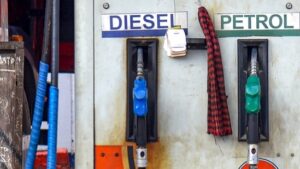
What are petrol, diesel prices in Mumbai today? Check latest details here| India News
Mumbai Fuel Prices Hold Steady Amid Daily Routines
Mumbai residents observed a rare period of unwavering fuel costs recently, with petrol prices maintaining a consistent ₹103.54 per litre across four consecutive days from March 23 to March 26. This stability, documented by local and financial news outlets, provided a brief reprieve from the usual daily fluctuations that often impact household budgets and business operations in the bustling metropolis. Omni 360 News brings you a closer look at what this means for the average Mumbaikar.
Understanding the Mumbai Price Point
For many, fuel prices are a daily topic of conversation, directly affecting commuting costs, transport for goods, and even the family budget. The observation that petrol held firm at ₹103.54 per litre for nearly a full business week in late March was noteworthy. While four days of stability might seem minor, in the context of India’s dynamic fuel market, where prices are adjusted daily, it offers a moment of predictability for consumers and small businesses alike. This steadiness helps in planning expenses without the concern of sudden upward revisions.
How Fuel Prices Are Determined
To truly grasp the significance of stable prices, it is helpful to understand how petrol and diesel rates are calculated in India. Imagine the final price you pay at the pump as a layered cake, with several ingredients.
At the very bottom is the crude oil cost. India imports a significant portion of its crude oil, so international market prices, influenced by global supply and demand, geopolitical events, and currency exchange rates, form the primary base. When crude oil prices are stable globally, it provides a foundation for domestic price stability.
Next come the central government taxes, primarily excise duty. This is a fixed amount per litre and contributes substantially to government revenue. Following this, state government taxes, known as Value Added Tax (VAT), are applied. VAT rates vary from state to state, which is why fuel prices differ across cities. Maharashtra, with its higher VAT rates, typically sees petrol prices that are among the higher in the country.
Finally, dealer commissions are added, which is the margin earned by the petrol pump owners for their operational costs and profit. Oil Marketing Companies (OMCs) like Indian Oil, Bharat Petroleum, and Hindustan Petroleum then factor in their own costs for refining and transportation.
Every day, the OMCs review these components, especially the international crude oil benchmarks and the rupee-dollar exchange rate, to arrive at the daily price. Therefore, a period of no fluctuation, as observed in Mumbai, suggests a concurrent stability in these underlying factors or a strategic decision by the OMCs to hold prices.
Local Impact and Broader Implications
For Mumbai’s diverse population, from daily commuters on two-wheelers to transport businesses managing fleets, stable fuel prices offer a small but welcome relief. It means predictable budgeting for taxi and auto-rickshaw drivers, consistent pricing for goods transported across the city, and less anxiety for families planning their expenditures.
When fuel prices remain steady, it can have a ripple effect on inflation. Transport costs are a significant component of the overall cost of goods and services. If fuel prices are contained, it can help prevent a surge in the prices of essential commodities, indirectly benefiting every household. Conversely, sharp increases in fuel can quickly translate to higher prices for everything from vegetables to consumer electronics.
The stability witnessed in Mumbai during March 23-26 underscores the intricate balance of global crude markets, government taxation policies, and the operational decisions of OMCs. While consumers often wish for more prolonged periods of stability or even reductions, such consistent rates provide a moment of calm in an otherwise volatile economic landscape.
Key Takeaways
The steady petrol price in Mumbai at ₹103.54 per litre for four days in late March highlights several important points:
- Predictability for Consumers A brief respite from daily price changes offers budget certainty for commuters and businesses.
- Reflects Underlying Stability Such consistency often signals stable international crude oil prices and currency exchange rates during that specific period.
- Influences Broader Economy Stable fuel costs can indirectly help in managing inflation, affecting the prices of everyday goods.
- Taxation Remains Key State VAT and central excise duties continue to be major components determining the final price at the pump.
Staying informed about these crucial economic indicators is essential for every citizen. Omni 360 News remains committed to bringing you detailed and timely updates on market trends that shape your daily life.