Why India-bound Iran oil shipment rerouted mid-voyage to China? Centre explains| India News
Oil Trade’s Shifting Sands Indian Petroleum Ministry Explains Mid-Voyage Rerouting
Recent reports of an Iranian crude oil shipment, initially bound for India, being rerouted mid-voyage to China have generated significant discussion. While such an event might seem unusual on the surface, India’s Petroleum Ministry has clarified that these mid-sea destination changes are not uncommon in the dynamic world of global oil trade. Often, cargo destinations are merely “indicative,” reflecting the flexible nature of international commodity markets. Omni 360 News delves into the mechanics behind these commercial maneuvers and what they signify for energy importing nations.
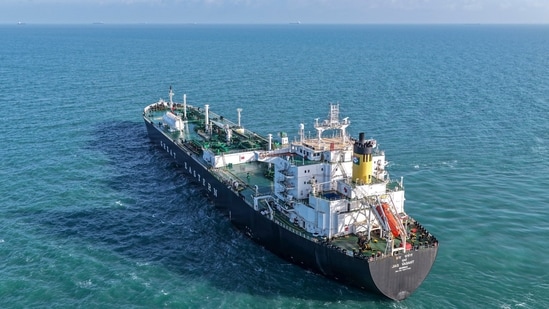
The vessel at the heart of the matter, the ‘Ping Shun,’ reportedly loaded crude oil at Iran’s Kharg Island. Its initial declaration indicated the Vadinagar port in Gujarat, India, as its destination. However, tracking data later showed the tanker altering its course, ultimately heading towards China. This shift sparked questions, particularly given the geopolitical sensitivities surrounding Iranian oil exports and international sanctions.
The Ministry’s Clarification
The Indian Petroleum Ministry promptly addressed the situation, underscoring a critical, yet often overlooked, aspect of the oil business: fluidity in supply chains. “Such mid-voyage changes are not unusual in the oil trade,” a Ministry official stated, emphasizing that “cargo destinations are often indicative.” This means that while a preliminary destination is declared for logistical and regulatory purposes, the ultimate delivery point can, and frequently does, change based on evolving market conditions, pricing, and strategic decisions by the buyer or trader.
This flexibility is baked into many long-term and spot crude oil contracts. It allows buyers to optimize their purchases, respond to sudden shifts in demand or supply, and capitalize on better pricing opportunities that may emerge during the extended transit period of a tanker. For a commodity like crude oil, which takes weeks to travel from producer to consumer, market dynamics can change significantly. A buyer might reroute a shipment if another market offers a higher selling price, if their own refining needs change unexpectedly, or if a different cargo becomes available that better suits their immediate requirements.
Understanding Flexible Oil Contracts
To comprehend why such rerouting is a standard practice, one must understand the typical structure of global oil deals. Many contracts, especially those involving large volumes and distant shipping routes, include clauses that allow for changes in destination, sometimes even port of discharge. This gives the buyer, or the entity that has taken ownership of the cargo, the agility to manage their inventory and sales effectively.
Consider a scenario where a refinery in India initially expects a certain demand for specific refined products. A tanker is dispatched from a distant port, say in the Middle East. During the month-long journey, the demand profile might shift dramatically, or perhaps a sudden refinery outage in another region (like China) creates an urgent, higher-paying demand for the crude on that very tanker. With a flexible contract, the owner of the cargo can then divert the ship to the more profitable or necessary destination, minimizing losses or maximizing gains.
This mechanism is particularly prevalent in the trade of discounted oil, such as crude from Iran. Buyers of Iranian oil often operate within a complex web of international sanctions, leading to transactions that require discretion and adaptability. Taking advantage of the discounted prices offered by Iran, nations like India and China have been significant purchasers, often navigating the payment and shipping complexities through innovative financial mechanisms and logistics. The ability to reroute cargo offers an additional layer of commercial and strategic flexibility in these delicate transactions.
The ‘Ping Shun’ Case and Broader Implications
The specific rerouting of the ‘Ping Shun’ cargo from India to China likely falls into this commercial optimization category. While the initial reporting might have implied a geopolitical slight or a sudden shift in India’s energy strategy, the Ministry’s explanation highlights a more prosaic reality of the oil market. It demonstrates that commercial decisions, driven by market demand and pricing, often dictate the flow of crude more than fixed, long-term geopolitical commitments for individual shipments.
For India, this event underscores its position as a major player in the global energy market, with diversified sourcing strategies. India has historically purchased oil from Iran but significantly reduced imports following stricter US sanctions. More recently, there have been indications of India exploring avenues to resume limited purchases, leveraging currency mechanisms to circumvent sanctions. However, the rerouting of one shipment does not indicate a fundamental shift in India’s broader energy policy, which prioritizes stable, affordable, and diversified supplies.
China, on the other hand, has remained a consistent, large-scale buyer of Iranian crude, often taking advantage of significant discounts. The rerouting of the ‘Ping Shun’ to China could simply reflect an immediate demand surge, better pricing, or a logistical advantage for the Chinese buyer at that particular moment.
This incident, as explained by the Ministry, serves as a valuable reminder that the global oil trade is an intricate dance of supply, demand, logistics, and opportunistic maneuvering. Rather than a rigid system, it operates with remarkable flexibility, adapting to market signals in real-time. This adaptability is crucial for both sellers and buyers in ensuring efficient resource allocation and managing risks. Omni 360 News will continue to monitor global energy flows and their broader implications.
Key Takeaways
* Flexible Oil Contracts Cargo destinations for crude oil shipments are often “indicative” rather than fixed, allowing for mid-voyage changes.
* Commercial Optimization Rerouting of oil tankers is a standard practice driven by evolving market prices, demand shifts, and logistical efficiency.
* Iranian Oil Context Such flexibility is particularly useful for buyers of Iranian oil, who often navigate international sanctions and seek commercial advantages like discounts.
* No Major Policy Shift The specific rerouting of the ‘Ping Shun’ does not signal a fundamental change in India’s energy policy but rather reflects routine commercial decisions in the global oil market.
* Market Dynamism The global oil trade is highly dynamic, with participants constantly adjusting to ensure optimal supply and demand matching.