Why Karnataka man sent over 1,100 hoax bomb threats across India| India News
Karnataka Man Srinivas Louis Arrested After India’s Massive Hoax Bomb Scare Wave
A wave of fear and disruption that swept across India in recent months, triggered by over 1,100 hoax bomb threats, has culminated in the arrest of a man from his rented home in Bengaluru, Karnataka. Srinivas Louis, a 37-year-old native of the city, now stands accused of orchestrating these digital terror campaigns that paralyzed institutions from bustling airports to serene schools. The intricate investigation, a testament to inter-state police collaboration, peeled back layers of digital deception to reveal a motive rooted in personal financial distress.
For weeks, emergency services nationwide found themselves stretched thin, responding to a relentless barrage of menacing emails. Schools were evacuated, flights delayed, hospitals put on high alert, and public spaces cleared as law enforcement agencies diligently followed up on each threat. This pattern of widespread panic, meticulously crafted through digital channels, presented a significant challenge. However, the diligent work of law enforcement, as detailed by Omni 360 News, ultimately brought the perpetrator to light.
The Digital Trail Unravels
The modus operandi of the perpetrator was sophisticated yet ultimately traceable. Srinivas Louis reportedly used Virtual Private Networks (VPNs) to mask his true internet protocol (IP) address, sending his menacing emails from various temporary accounts. These messages, often signed with chilling aliases such as “Dawood Ibrahim” or “Terrorizer,” arrived at a dizzying array of targets: the bustling Mumbai airport, Delhi’s educational institutions, Chennai’s hospitals, and numerous government offices and temples in between. The sheer volume — more than 1,100 threats — underscored a deliberate and sustained campaign to sow fear.
Local police forces across states initiated immediate investigations, often under immense public pressure. The Mumbai Police Crime Branch, facing a particularly intense series of threats, spearheaded a crucial part of the probe. Their digital forensic teams meticulously analyzed email headers, VPN usage patterns, and other digital crumbs left behind, slowly piecing together the invisible trail. This intricate work led them to a suspect residing in Hosapalya, Bengaluru.
Arrest in Bengaluru and Unveiling the Motive
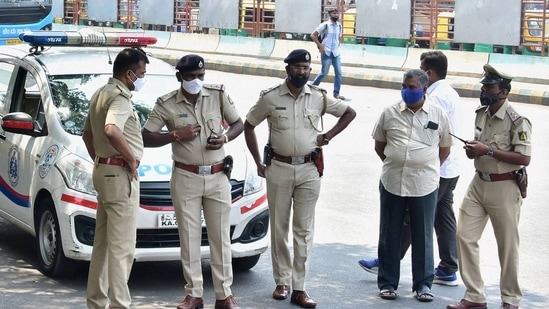
In a coordinated effort, the Mumbai Police, working closely with the Bengaluru Central Crime Branch (CCB) and the local Cyber Crime Police Station (CCPS), apprehended Louis from his rented accommodation. At the time of his arrest, Louis was unemployed and living with his mother, who reportedly remained unaware of her son’s clandestine digital activities.
During questioning, Louis’s motive began to surface, painting a picture not of ideological extremism, but of profound personal despair and resentment. He reportedly confessed to orchestrating the threats out of anger and frustration stemming from substantial financial losses incurred in stock market trading. Louis allegedly targeted institutions and individuals he perceived as being responsible for his misfortune or simply as a way to lash out at a system he felt had wronged him. Some reports indicate a desire for attention also factored into his destructive spree. This explanation, while not excusing his actions, offers a glimpse into the psychological toll that financial hardship can take, albeit manifested in an extremely dangerous and illegal manner.
The Widespread Impact and Resource Drain
The impact of Louis’s actions was far-reaching and costly. Each bomb threat triggered an immediate, resource-intensive response. Bomb detection and disposal squads were deployed, police personnel diverted from other duties, and emergency medical teams put on standby. Public transport was halted, businesses disrupted, and countless individuals experienced moments of genuine terror. While each threat proved to be a hoax, the initial response could never take chances, leading to a significant drain on public safety resources and causing widespread anxiety. The case serves as a stark reminder of how easily a single individual can exploit digital anonymity to create chaos on a national scale.
Key Takeaways from the Srinivas Louis Case
The arrest of Srinivas Louis offers several important lessons for society and law enforcement alike:
* Digital Footprints Endure: Despite efforts to conceal identity through VPNs and multiple email accounts, digital forensics capabilities are increasingly sophisticated, capable of tracing even complex online activities.
* Inter-Agency Collaboration is Crucial: The success of this investigation highlights the indispensable role of seamless cooperation between police forces across different states in tackling crimes that transcend geographical boundaries.
* Addressing Underlying Issues: While Louis’s actions are criminal and unacceptable, his stated motivation of financial distress underscores the importance of mental health awareness and support systems, preventing individuals from resorting to destructive behavior when facing personal crises.
* Public Vigilance and Trust: The incident tests public trust in safety systems but also reinforces the importance of credible reporting and verified information in times of crisis.
The Srinivas Louis case is a complex narrative of digital deception, personal despair, and meticulous police work. As the legal proceedings unfold, it serves as a powerful reminder of the hidden consequences of online actions and the enduring commitment of law enforcement to maintain public safety in an increasingly digitized world.