Why Kerala is celebrating Eid today while the rest of India waits a day longer| India News
Kerala’s Eid Celebration A Day Early Moon Sighting Traditions Explained Key Takeaways
As the holy month of Ramadan draws to a close, the anticipation for Eid-ul-Fitr, the festival of breaking the fast, sweeps across Muslim communities worldwide. This year, a familiar regional distinction has emerged in India, with Kerala announcing its Eid celebrations a day ahead of many other parts of the nation. This divergence, a regular occurrence, stems from deeply rooted moon sighting practices.
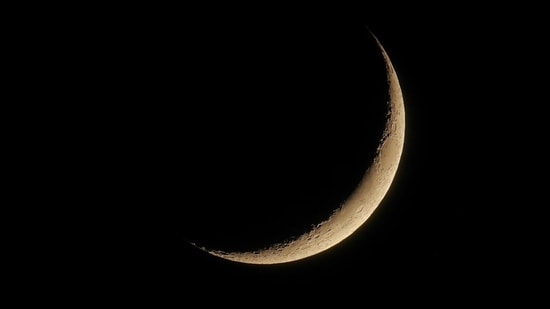
The Islamic calendar operates on lunar cycles, meaning the precise start and end of months, including Ramadan and Shawwal, the month of Eid, are determined by the physical sighting of the new crescent moon. This delicate sliver of moonlight signals the dawn of a new month, a moment of profound religious significance.
In Kerala, influential religious scholars and Qazis meticulously adhere to localized moon sighting reports. Esteemed committees, often comprising prominent religious leaders, convene to gather credible testimonies from individuals who claim to have sighted the Shawwal crescent. This steadfast reliance on regional observation, often from the state’s coastal areas where visibility might differ, frequently leads to an earlier declaration of Eid compared to states that might await broader national pronouncements or different sighting criteria.
While numerous parts of India often look to declarations from central religious bodies or committees that consider a wider geographical scope, Kerala upholds its long-standing tradition of localized confirmation. This year, confirming reports from within the state prompted the decision for an earlier observance of Eid, allowing families and communities to commence their festive preparations accordingly.
This annual event beautifully illustrates the rich and varied tapestry of religious observance across India. For the Muslim populace in Kerala, it translates into an earlier start to festivities, encompassing special Eid prayers, charitable contributions known as Zakat-al-Fitr, elaborate feasts, and joyous family gatherings. It subtly underscores the profound respect for established religious traditions and localized interpretations that have shaped celebratory calendars for generations.
Key Takeaways:
* The Islamic calendar dictates that Eid-ul-Fitr is determined by the sighting of the new crescent moon.
* Kerala follows a tradition of local moon sighting, often leading to an earlier Eid celebration.
* Religious committees and scholars in Kerala play a crucial role in validating these sightings.
* This regional difference highlights the diversity of religious practices within India.
* Despite varying dates, the spirit of Eid—reflection, gratitude, and community—remains universal.
Whether celebrated a day earlier or later, the core essence of Eid-ul-Fitr remains consistent: a cherished time for spiritual reflection, heartfelt gratitude, and robust community bonding. Omni 360 News is committed to bringing detailed insights into such unique cultural and religious narratives, fostering understanding and appreciation for India’s vibrant heritage.