Winners, Losers, and a World on Edge: Analyzing Trump’s 15% Tariff Shockwave
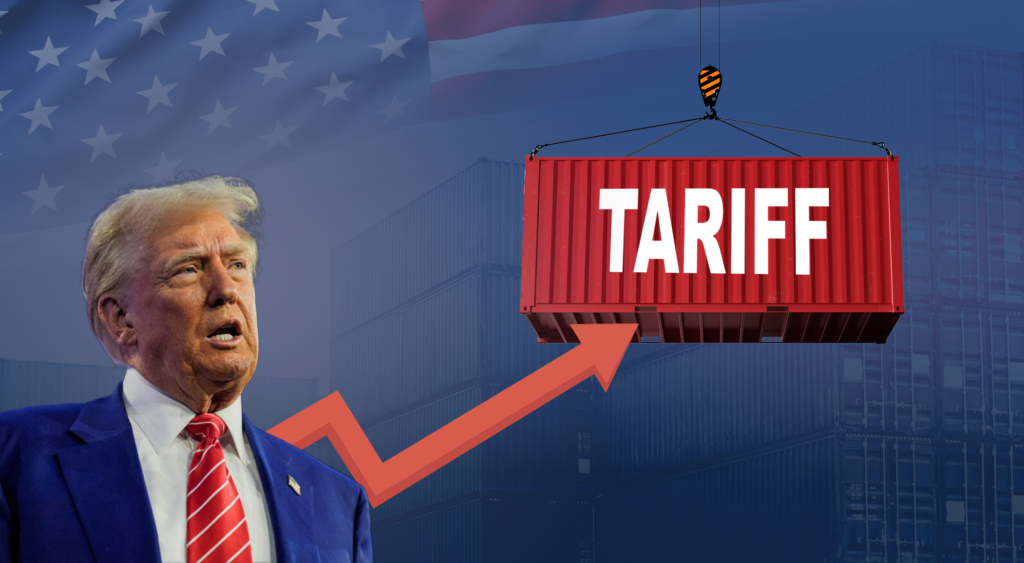
The global trade floor has been thrown into a state of high-octane confusion. Just hours after the United States Supreme Court delivered a stinging rebuke to President Donald Trump by striking down his sweeping emergency tariffs, the administration hit back with a new weapon: a 15% global import surcharge.
While the legal battle in Washington suggests a “victory” for the rule of law, the reality on the ground is a messy game of winners and losers that could redefine the global economy for the rest of 2026.
The Judicial Strike and the Executive Counter
The Supreme Court’s 6-3 ruling focused on Trump’s use of the International Emergency Economic Powers Act (IEEPA). The court essentially told the President that he cannot use emergency national security powers to tax the world at will. However, the celebration for free-trade advocates was short-lived.
By Saturday, Trump pivoted to Section 122 of the 1974 Trade Act, a rarely used legal tool that allows for a temporary “import surcharge” to protect the U.S. balance of payments. Starting Tuesday, a 10% duty will be applied to all imports, quickly scaling to 15%.
Who’s Winning? The Surprising Shift for India and China
In a twist of “tariff math,” India and China are emerging as the unlikely beneficiaries of this chaos.
- For India: Before the court’s ruling, Indian goods faced effective tariffs as high as 25% (and 50% in certain sectors). While India loses the potential “dream scenario” of near-zero duties following the court ruling, the new 15% flat rate is actually lower than the 18% rate previously negotiated in bilateral frameworks.
- For China: Beijing, which had been slapped with massive reciprocal and fentanyl-related levies, now finds its exports facing a uniform 15% rate. Without a formal trade deal in place, China has effectively seen its tariff burden lightened without having to make a single concession to Washington.
The Big Losers: The UK and a Freezing Europe
The United Kingdom appears to be the primary casualty of this move. Having spent months negotiating a specialized 10% “edge” over other nations, British firms now face a 5% increase that levels the playing field with their competitors—potentially costing UK exporters upwards of £3 billion.
Across the channel, the European Union is livid. European Commission officials have been vocal, stating “a deal is a deal.” With the EU-US trade agreement now in jeopardy, there are growing calls in the European Parliament to freeze all ratification processes until the White House provides “legal clarity.”
What’s Next?
As the 150-day temporary surcharge takes effect on February 24, 2026, the global supply chain is bracing for a “boomerang effect.” Orders are being frozen, and businesses are scrambling to understand if these duties will be permanent or if another legal challenge is on the horizon.
One thing is certain: the era of “executive-led” trade is facing its toughest test yet, and for the global market, uncertainty is the only constant.