
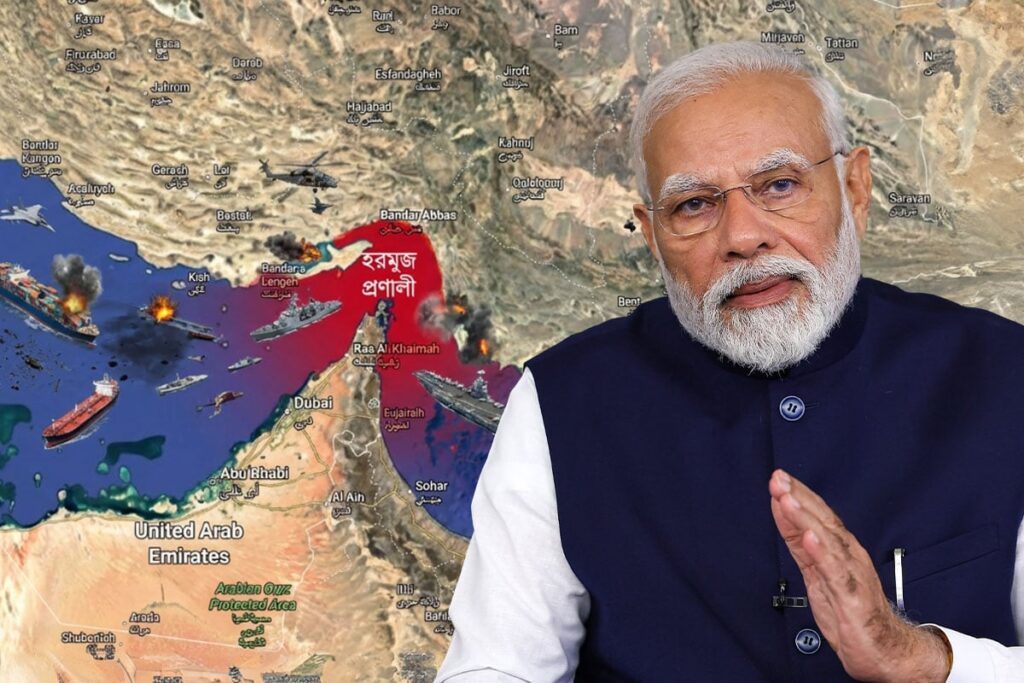
Israel-Iran War: Iran allows Indian-flagged ships to pass through Strait of Hormuz
India Secures Hormuz Passage Bringing Energy Relief
A significant diplomatic breakthrough has brought welcome news for India’s energy security amidst ongoing tensions in the Middle East. Iran has reportedly granted permission for Indian commercial vessels to navigate the critical Strait of Hormuz, a development offering substantial relief from global fuel supply worries. This strategic move, attributed to the Modi government’s focused diplomatic efforts, ensures vital trade routes remain open for the nation’s energy needs.
Sources confirm that two cargo ships, identified as Pushpak and Parimal, have already safely traversed the Strait of Hormuz and are now en route to India. This successful passage underscores the immediate positive impact of the diplomatic overture. For a country heavily reliant on imported energy, this access is more than just a convenience; it is a strategic necessity.
Understanding the Lifeline of Hormuz
The Strait of Hormuz is not just a body of water; it is one of the world’s most vital maritime chokepoints. Located between the Persian Gulf and the Gulf of Oman, it serves as the sole sea passage from the Persian Gulf to the open ocean. Approximately one-fifth of the world’s total petroleum liquids consumption, and roughly one-third of the world’s liquefied natural gas (LNG), passes through this narrow waterway. Any disruption here sends ripples across the global economy, affecting fuel prices and supply chains worldwide.
For India, a rapidly growing economy with immense energy demands, maintaining open and secure access to the Strait is paramount. A substantial portion of India’s crude oil imports originates from countries bordering the Persian Gulf. When conflicts flare up in the Middle East, as they have recently, the risk to shipping in the Strait of Hormuz increases, leading to higher insurance premiums for vessels, extended transit times due to diversions, and ultimately, elevated fuel costs for consumers and industries back home.
Diplomacy at Work
The current easing of restrictions by Iran is a testament to persistent diplomatic engagement. The Modi government’s “strategic approach” has reportedly played a crucial role in securing this vital access. While the specifics of the negotiations remain largely behind closed doors, such breakthroughs typically involve high-level bilateral discussions, mutual assurances, and leveraging longstanding historical and economic ties between nations. India has historically maintained a complex but pragmatic relationship with Iran, navigating geopolitical pressures to protect its national interests.
This diplomatic success highlights India’s growing confidence on the global stage, demonstrating its ability to engage with diverse partners even in turbulent times. For Omni 360 News, this development signifies not just a win for India, but a move that contributes to greater stability in maritime trade, a shared global interest.
Immediate Relief and Broader Implications
The immediate implication of Iran’s decision is a significant alleviation of the energy crisis concerns that have been building in India. With two ships, Pushpak and Parimal, already making their way home, it signals a functional corridor for continued trade. This reduces the immediate pressure on fuel reserves and helps stabilize domestic fuel prices, which directly impacts the pockets of everyday citizens and the operational costs for businesses.
Looking beyond the immediate relief, this development carries broader significance:
* Enhanced Energy Security: Secure access to the Strait of Hormuz reduces India’s vulnerability to supply disruptions, a critical element of its national security strategy.
* Economic Stability: Predictable fuel supplies at stable prices are essential for India’s economic growth, preventing inflationary pressures and supporting industrial output.
* Diplomatic Influence: The ability to navigate complex geopolitical landscapes and secure favorable outcomes strengthens India’s standing as a responsible and influential global player.
* Regional Partnerships: It reaffirms the importance of India’s bilateral relationships in the Middle East, showcasing a mature foreign policy that balances various interests.
A Path Forward
This diplomatic success offers a beacon of hope for India’s energy future, demonstrating that even amidst regional conflicts, strategic engagement can yield positive results. As the global energy landscape continues to evolve, maintaining diversified sources of energy and secure trade routes will remain paramount for India. This latest development underscores the ongoing importance of proactive diplomacy in safeguarding national interests and ensuring economic stability.
Key Takeaways
* Iran has permitted Indian ships to use the Strait of Hormuz, easing India’s energy crisis.
* The Modi government’s diplomatic efforts are credited for this crucial breakthrough.
* Two cargo ships, Pushpak and Parimal, have already safely passed through the Strait.
* The Strait of Hormuz is a vital global chokepoint for oil and gas transport.
* This move enhances India’s energy security and contributes to economic stability by ensuring predictable fuel supplies.
* The development highlights India’s growing diplomatic influence and its pragmatic foreign policy.





