
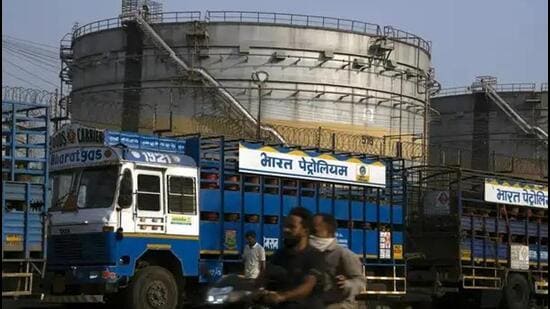
India examining fuel supply requests from Bangladesh, Maldives, Sri Lanka| India News
India Considers Fuel Lifeline for Neighbors Amidst Regional Energy Strain
The ripples of geopolitical tensions, particularly from the West Asia conflict, continue to send tremors across global energy markets. In South Asia, this instability translates into critical fuel supply challenges for nations heavily reliant on imports. India finds itself at a pivotal juncture, carefully reviewing fuel supply requests from its immediate maritime and land neighbors—Bangladesh, Maldives, and Sri Lanka. This intricate balancing act underscores India’s role as a regional anchor, especially in times of crisis, as reported by Omni 360 News.
The ongoing conflict in West Asia has significantly disrupted supply chains and driven up crude oil prices globally. For countries like Bangladesh, Maldives, and Sri Lanka, whose economies are largely import-dependent for their energy needs, this translates into higher operational costs, potential power outages, and increased inflationary pressures. A steady supply of fuel is not merely an economic concern; it is fundamental to maintaining daily life, powering industries, and ensuring social stability.
Bangladesh, a rapidly developing nation, consistently battles the challenge of meeting its burgeoning energy demand. Fluctuations in international fuel prices directly impact its power generation sector, often leading to load shedding and economic slowdowns. Securing a reliable fuel source from India could provide much-needed stability to its energy grid and safeguard its industrial growth trajectory.
Further south, the Maldives, an island nation, is acutely vulnerable to disruptions in global supply chains. Its tourism-driven economy and daily necessities are entirely dependent on imported fuel for electricity, transport, and water desalination. Any instability in fuel availability poses an existential threat to its economic and social fabric. Past global price spikes have demonstrated the profound impact on Maldivian households and businesses.
Sri Lanka, having recently navigated an unprecedented economic crisis, including severe fuel shortages that brought the nation to a standstill, is particularly sensitive to renewed energy insecurity. India played a significant role in assisting Sri Lanka during its most challenging times, extending credit lines for essential commodities, including fuel. The current requests signify a proactive approach by Colombo to prevent a relapse into such dire circumstances, leaning on a trusted regional partner.
For India, processing these requests involves a careful assessment of its own strategic reserves, domestic demand, and its “Neighbourhood First” policy. While India is also a significant oil importer, its refining capacity and strategic reserves provide a buffer that its smaller neighbors lack. Granting these requests would reinforce India’s commitment to regional solidarity and its position as a net security provider in the Indian Ocean region. This decision is not just about fuel; it is about fostering goodwill, enhancing economic stability, and strengthening diplomatic ties in a volatile global landscape.
The review of these fuel supply requests by India holds profound implications for the energy security of South Asia. It is a testament to the interconnectedness of regional economies and the enduring importance of collaborative solutions in navigating global crises. The outcomes will undoubtedly shape immediate economic stability and long-term regional cooperation.
Key takeaways here include the critical need for South Asian nations to build resilient energy strategies, the paramount importance of regional cooperation, and India’s evolving role as a stabilising force amidst global disruptions. As these nations confront the economic fallout from distant conflicts, India’s response will resonate deeply across its neighborhood.





