
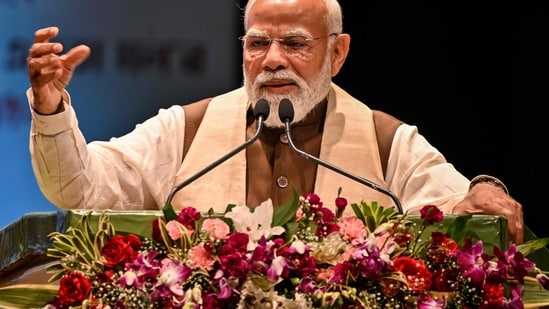
PM Modi steps up attack on Congress in poll-bound Assam: ‘Used rifts for selfish politics’| India News
PM Modi Accuses Congress on West Asia Crisis Misinformation
In the charged political atmosphere, Prime Minister Narendra Modi has pointedly accused the Congress party of actively spreading falsehoods and unverified information concerning the unfolding global crisis rooted in the West Asia conflict. This accusation brings to the forefront critical questions about political discourse, public perception, and the responsible dissemination of news during times of international instability.
The Core of the Allegation
The Prime Minister’s remarks suggest that the Congress is engaging in a deliberate campaign to distort facts related to the conflict in West Asia. This alleged misinformation, according to his statement, goes beyond mere political criticism, potentially impacting public understanding of complex geopolitical events that have significant global ramifications, including on India. Such accusations are not new in the political arena, yet they underscore the escalating battle for narrative control, especially concerning sensitive international issues.
Understanding the Global Ripples from West Asia
For a clearer picture, it’s important to understand what the West Asia conflict entails and why it resonates globally. When we speak of a “global crisis caused by the war in West Asia,” we refer to a series of escalating tensions and armed conflicts in a region vital for global energy supplies and trade routes. These conflicts don’t just affect the countries directly involved; they send shockwaves across the world. Think about the price of oil – when there’s instability in West Asia, oil prices can jump, affecting everything from your petrol bill to the cost of transporting goods. Supply chains, the intricate network that brings products from manufacturers to your doorstep, can get disrupted. Moreover, such conflicts often lead to significant humanitarian crises, triggering refugee flows and demanding international aid, which affects global diplomacy and resource allocation. This complexity makes the region a fertile ground for both legitimate concerns and baseless speculation.
The Peril of Misinformation During Crisis
The danger of misinformation, particularly during a global crisis, cannot be overstated. When unreliable reports or distorted facts circulate, they can sow confusion, fear, and even division within a society. In the context of the West Asia conflict, false narratives could mislead citizens about India’s foreign policy stance, its economic vulnerabilities, or even internal security matters. This erosion of trust in credible information sources can make it challenging for the public to make informed decisions or to understand the government’s efforts to navigate complex international relations. It can also be exploited to create unwarranted panic or communal disharmony.
Political Implications and Public Discourse
Accusations of spreading misinformation are a potent tool in the political playbook, especially as national elections loom. By framing the opposition as purveyors of untruths, the ruling party aims to discredit their narrative and reinforce its own position as a reliable source of information. Conversely, the opposition often defends itself by stating it is merely holding the government accountable or expressing legitimate concerns. This dynamic underscores the intense competition for public opinion, where the truth itself can become a contested terrain.
For citizens, the takeaway is clear: critical thinking and fact-checking are more crucial than ever. Relying solely on snippets from social media or unverified forwards can lead to a skewed understanding of reality. This is where platforms like Omni 360 News strive to deliver comprehensive, verified reports, helping the public sift through the noise and grasp the nuances of intricate global events.
Key Takeaways
The Prime Minister’s accusation against the Congress highlights several critical points. Firstly, the ongoing conflict in West Asia is not just a regional issue but a global concern with tangible impacts on economies and societies worldwide. Secondly, the spread of misinformation during such a crisis poses a significant threat to informed public discourse and national stability. Finally, it underscores the need for political parties to engage in debates grounded in verifiable facts and for citizens to exercise extreme caution in consuming and sharing information, particularly from unverified sources. Responsible journalism remains the bedrock of a well-informed citizenry, crucial for navigating the complexities of both domestic politics and international affairs.





