
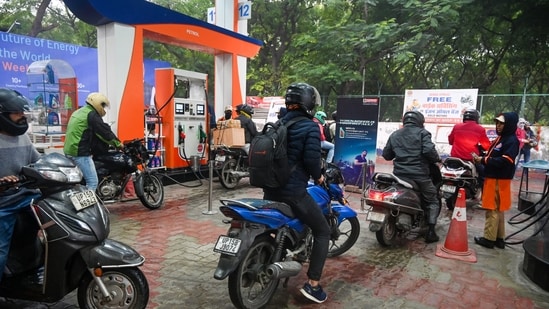
‘Petrol, diesel available at all outlets’: Govt issues advisory amid fuel shortage fears| India News
India’s Fuel Supply Remains Robust Ministry Confirms Widespread Petrol Diesel Availability
Across India’s vast network of retail outlets, petrol and diesel continue to be readily available, a reassuring statement from the Ministry confirms. Fuel supplies nationwide are stable, underpinning the daily rhythm of life and commerce for millions. This official assurance comes at a time when energy security and consistent availability are paramount, reflecting a diligent management of the nation’s critical fuel infrastructure. Omni 360 News brings a detailed look into what this stability means for the common citizen and the broader economy.
Understanding the Fuel Supply Chain A Simple Explanation
To truly grasp the significance of the Ministry’s declaration, it helps to understand how fuel reaches your vehicle. Imagine crude oil, the raw material, arriving at large processing plants called refineries. Here, it undergoes complex processes to become petrol, diesel, aviation fuel, and other petroleum products.
Once refined, these fuels are stored in massive depots strategically located across the country. From these depots, a sophisticated network of pipelines and tanker trucks transports the fuel to thousands of retail outlets, commonly known as petrol pumps or filling stations. This entire journey, from crude oil to your tank, is a meticulously managed logistical operation. A stable supply means every stage of this journey is functioning smoothly, ensuring there are no bottlenecks or shortages at any point.
The Ministry’s statement essentially confirms that this intricate chain is robust. Public sector oil marketing companies (OMCs) like Indian Oil Corporation (IOC), Bharat Petroleum Corporation Limited (BPCL), and Hindustan Petroleum Corporation Limited (HPCL) play a pivotal role in managing this extensive network. They are responsible for refining, transporting, and distributing fuel, ensuring that the last mile of delivery to retail outlets remains uninterrupted.
Why the Ministry’s Confirmation Matters
In a dynamic global energy landscape, concerns about fuel availability can arise from various factors—international crude oil price fluctuations, geopolitical events, or even temporary logistical challenges during peak demand seasons. The Ministry’s unequivocal statement directly addresses any such apprehensions, emphasizing that the country’s strategic reserves, refining capacities, and distribution channels are fully equipped to meet current demand.
This official confirmation provides a crucial layer of confidence for consumers, transporters, farmers, and industries alike. For the average individual, it means peace of mind knowing that their daily commute, essential travel, or business operations will not be hampered by fuel scarcity. For farmers, particularly during harvesting or sowing seasons, consistent diesel supply is vital for agricultural machinery, directly impacting food production. Small businesses relying on transportation, from local delivery services to long-haul truckers, also benefit immensely from predictable fuel availability and pricing.
Local Realities Echoing National Assurance
While the Ministry’s statement is national in scope, its impact reverberates locally. Reports from various districts and towns across the country generally align with the Ministry’s assurances. Local news dispatches from different regions, often focusing on community-specific concerns, have largely indicated no widespread disruptions. Pump owners in smaller towns, often considered the pulse of local supply, have consistently confirmed receiving their allocated fuel stocks on schedule.
For instance, in agricultural belts, where diesel demand can surge rapidly, local feedback suggests that OMCs have been proactive in ensuring timely replenishment of stock. Similarly, in urban centers, where daily consumption is high, the consistent flow of fuel has prevented any queues or panic buying that might indicate underlying issues. This ground-level verification strengthens the Ministry’s broader claim, showcasing effective coordination between central policy and regional distribution.
Challenges, when they occasionally emerge, are often localized and temporary. These might include brief disruptions due to road construction affecting tanker routes, or a sudden, unexpected spike in demand in a specific micro-market. However, the existing system, backed by vigilant monitoring from OMCs and local administrations, ensures that such isolated incidents are swiftly addressed, preventing them from escalating into broader supply issues.
The Broader Economic Impact of Fuel Stability
A stable fuel supply is more than just a convenience; it’s a cornerstone of economic stability. Fuel is an essential input for almost every sector of the economy. When fuel is consistently available, it helps keep transportation costs predictable, which in turn influences the prices of goods and services. This stability is critical for managing inflation and fostering a conducive environment for business investment and growth.
Furthermore, a reliable supply chain prevents speculative activities and ensures equitable distribution. It allows industries to plan their operations effectively, without the constant worry of fuel shortages impacting production schedules or delivery timelines. From manufacturing to logistics, from agriculture to services, the assurance of stable fuel underpins the entire economic machinery.
Government’s Proactive Approach and Future Outlook
The Ministry’s statement is a testament to the continuous monitoring and proactive measures undertaken by the government and public sector OMCs. This includes managing crude oil procurement from diverse international sources, optimizing refinery operations, and continually upgrading the storage and distribution infrastructure. Strategic planning to meet future demand, considering factors like population growth and economic expansion, is an ongoing process.
As India continues its growth trajectory, energy security will remain a critical focus. The commitment to maintaining stable fuel supplies is not merely about meeting present needs but also about building resilience for the future. This involves investing in advanced logistics, adopting new technologies for efficiency, and exploring sustainable energy alternatives while ensuring the smooth functioning of conventional fuel systems.
Key Takeaways Omni 360 News
* The Ministry confirms widespread and adequate availability of petrol and diesel across India.
* Fuel supplies nationwide remain stable, ensuring smooth daily operations for citizens and businesses.
* Public sector oil marketing companies play a crucial role in managing the intricate fuel supply chain from refineries to retail outlets.
* This stability is vital for various sectors, including transportation, agriculture, and industry, contributing significantly to economic predictability.
* Local reports and pump owner feedback generally corroborate the national assurance, indicating effective distribution even at the regional level.
* The government’s proactive monitoring and strategic planning are key to maintaining this consistent fuel supply.
The assurance of stable fuel availability is a fundamental aspect of national infrastructure. It allows individuals and businesses to operate with confidence, contributing to the overall economic health and daily convenience of the nation. As Omni 360 News continues to track these vital developments, the message is clear: India’s fuel pumps are ready to serve.





