
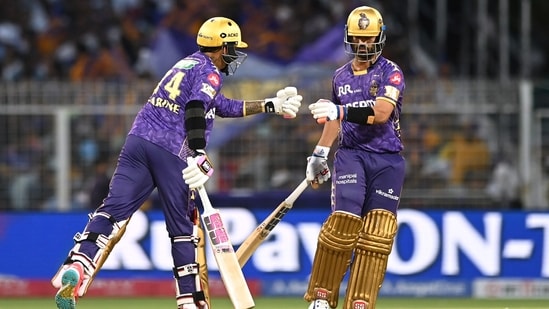
KKR told not to repeat old mistakes, otherwise ‘they will keep struggling’: ‘There is no consistency from them’
Anil Kumble Questions KKR Squad Choices Post Championship Win Key Takeaways
The vibrant world of franchise cricket, particularly after a team hoists a coveted championship trophy, often becomes a hotbed for strategic contemplation. Fresh from their remarkable title triumph, the Kolkata Knight Riders (KKR) now find their post-victory squad decisions under the intense scrutiny of cricketing legend and insightful analyst, Anil Kumble. His recent remarks, resonating across the sporting landscape, have ignited a lively debate among fans, pundits, and players alike, all pondering the rationale behind adjusting a winning formula by parting ways with key contributors so swiftly after achieving ultimate glory.
Kumble’s perspective, widely echoed in various cricketing analysis columns and sports commentaries, taps into a fundamental tenet of team sports: the value of continuity and the inherent strength of a proven unit. When a group of players collaborates seamlessly to conquer a league as competitive as the Indian Premier League, it’s not merely a testament to individual talent but a powerful affirmation of collective chemistry, strategic alignment, and shared momentum. For a team to then significantly alter this successful composition, particularly by releasing figures who were instrumental in their victory charge, strikes many as a puzzling, if not risky, gamble.
The former India captain’s critique isn’t about singling out specific players—though, naturally, the departures of any impactful performers draw attention. Instead, it delves into the broader philosophy of team construction and sustenance in modern sports. Why, Kumble implicitly asks, would a franchise choose to disrupt a winning rhythm when it has just been validated on the grandest stage? A title-winning squad isn’t just a collection of players; it’s a finely tuned engine, where each component understands its role, its interaction with others, and contributes to the overall power and efficiency. Changing these components, however justifiable on paper, can introduce unforeseen variables into this delicate machinery.
Understanding KKR’s potential rationale requires a look into the complex ecosystem of franchise cricket. Teams operate under stringent financial regulations, including salary caps and retention limits, especially leading into mega-auctions. Decisions to release players, even high-performing ones, might stem from a variety of strategic considerations: a player’s increasing salary demands, an assessment of their peak performance trajectory, injury concerns, or the desire to free up funds to acquire new talent perceived to fill a different strategic gap. Franchises are constantly looking ahead, aiming to build a team capable of sustained dominance, not just a one-off victory. This forward-thinking approach, while rational, often clashes with the emotional connection fans and even former players have with a triumphant group.
However, Kumble’s argument underscores that some assets are not easily quantifiable. The intangible contributions of seasoned players—their leadership in the dressing room, their ability to mentor younger talent, their composure in high-pressure situations, and their role in forging team unity—are often invaluable. When such figures depart, the impact can extend beyond their on-field statistics, potentially affecting morale, internal dynamics, and the very culture that fostered success. A strong, cohesive unit often develops a shared understanding, a non-verbal communication that enhances performance, and that takes time and shared experiences to build. Dislodging parts of this foundation can shake the very core of the team’s spirit.
Historically, sports are replete with narratives that support both sides of this argument. Some dynasties were built on stability, retaining their core for years, trusting in continuity to deliver repeated success. Think of legendary teams in various sports that kept their key players together, allowing chemistry to deepen and understanding to become intuitive. On the other hand, there are examples where bold, sometimes ruthless, decisions to overhaul a successful squad led to a fresh wave of energy and even greater triumphs. Yet, for every success story of an overhaul, there are cautionary tales of teams that lost their way after tinkering too much with a winning combination. KKR’s situation places them squarely in this fascinating crossroad.
The broader cricketing fraternity, including local sports columns and online analysis platforms that Omni 360 News regularly monitors, has taken Kumble’s comments as a cue for introspection. Fans, the ultimate stakeholders, often feel a profound connection to the players who bring them joy and silverware. Seeing beloved figures depart can be disheartening, raising questions about loyalty and the human side of professional sports. This debate is not merely about statistics or financial ledgers; it’s about the very heart and soul of a team.
Ultimately, the wisdom of KKR’s squad adjustments will only be fully judged by their future performances on the field. Will the new configuration gel quickly, replicate the previous season’s magic, and embark on a new era of dominance? Or will the void left by the departed players prove more challenging to fill than anticipated, impacting the team’s balance and psychological edge? These are the unfolding questions that make franchise cricket so compelling. Anil Kumble’s timely intervention reminds us all that even after celebrating a championship, the strategic decisions made in the aftermath are often as crucial, if not more so, than those leading up to the victory.
Key Takeaways:
* Anil Kumble has raised concerns about KKR’s choices to release significant players following their recent title win.
* His argument emphasizes the strategic importance of continuity and team chemistry in sustaining success.
* Franchise management faces complex decisions influenced by salary caps, player dynamics, and long-term strategic goals.
* The debate highlights the balance between tangible player statistics and intangible contributions like leadership and team morale.
* The impact of these post-championship squad changes on KKR’s future performance and team identity remains a critical watch point for fans and analysts.





