
Iran-US conflict: India in touch with key players for transit of more vessels| India News
Shivalik Nanda Devi LPG Carriers Cross Hormuz Strait Global Energy Implications Key Takeaways
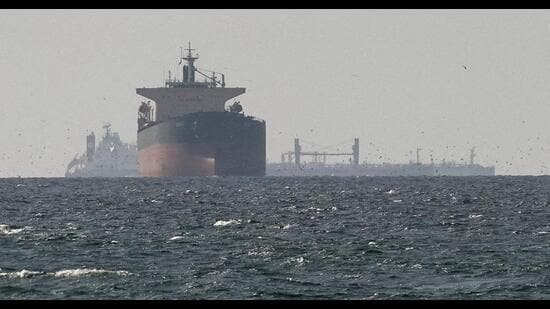
The critical transit of two Indian liquefied petroleum gas (LPG) carriers, Shivalik and Nanda Devi, through the strategically vital Strait of Hormuz early on Saturday marks a significant moment for India’s energy security. These vessels, collectively transporting a substantial 92,700 metric tonnes of LPG, successfully navigated one of the world’s most scrutinized maritime chokepoints. This event, reported across various outlets, highlights the continuous pulse of global energy trade.
The Strait of Hormuz, a narrow waterway connecting the Persian Gulf with the Arabian Sea, is paramount for global energy trade. Annually, roughly a fifth of the world’s total petroleum liquids and a significant portion of its natural gas pass through this passage. Its geographical position makes it a geopolitical hotspot, subject to intense international surveillance and occasional tensions. For nations heavily reliant on Middle Eastern energy imports, like India, uninterrupted passage through Hormuz is non-negotiable for economic stability and national development. The safe passage of these carriers is always a carefully coordinated effort involving international maritime agencies.
India stands as one of the world’s largest consumers of LPG, primarily for domestic use in kitchens across millions of households. The steady supply carried by ships like Shivalik and Nanda Devi directly underpins daily life and economic activity, reducing reliance on traditional fuels and supporting cleaner energy initiatives. The successful transit underscores the robust supply chain mechanisms in place to ensure a continuous flow of essential resources that power homes and businesses from metropolitan hubs to remote villages.
For Omni 360 News, this event highlights the intricate dance of international trade, diplomacy, and maritime security. While the transit itself may seem routine, each successful passage through such a sensitive area reaffirms the commitment to open sea lanes and global trade. The presence of these carriers, proudly flying the Indian flag, symbolizes the nation’s growing energy needs and its active role in international maritime commerce. Vigilance and proactive measures are always in play to safeguard such vital shipments, ensuring the safe delivery of energy resources crucial for everyday life.
Key Takeaways
* Strategic Importance: The Strait of Hormuz remains a critical artery for global energy supply, directly impacting economies worldwide.
* India’s Energy Lifeline: The successful transit of Shivalik and Nanda Devi highlights India’s significant dependence on imported LPG and the necessity of secure shipping routes.
* Maritime Security: The passage underscores the ongoing efforts and importance of ensuring safety and freedom of navigation in contested waters.
* Economic Stability: Uninterrupted energy supplies are fundamental to India’s domestic stability and economic growth, supporting millions of households and businesses.
* Global Connectivity: The event reaffirms the interconnectedness of global energy markets and and the shared responsibility for maintaining maritime peace.





