
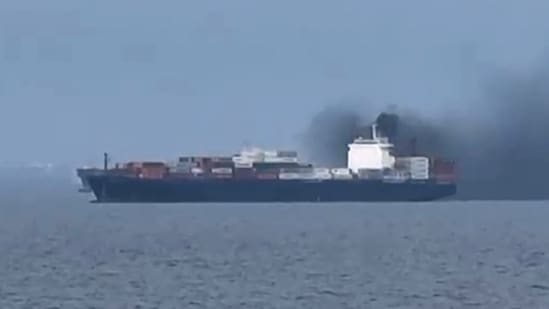
Indian seafarers deal with sinking hearts, burning ships amid US-Iran war: ‘New hobby to spot jets, drones’| India News
Indian Seafarers Navigate Gulf Conflict Waters Key Takeaways for Maritime Safety
The vast blue expanse of the Arabian Gulf, a vital artery for global commerce, has tragically become a zone of heightened peril. For hundreds of thousands of Indian seafarers, who tirelessly navigate these crucial waterways, the recent escalation of geopolitical tensions involving the US, Israel, and Iran has cast a long, ominous shadow over their daily lives. The once routine voyages now carry the unspoken fear of being caught in the crossfire, turning vital trade routes into frontlines.
At Omni 360 News, our commitment is to bring you stories that matter, particularly those impacting the lives of ordinary people caught in extraordinary circumstances. The plight of Indian seafarers is a stark reminder of the human cost of distant conflicts.
The Crucible of Conflict: A Simple Explanation
Imagine a bustling international highway where everyone depends on goods moving smoothly. Now, imagine a serious argument breaking out between major countries along this highway. This is, in essence, what has happened in the Gulf region. For years, there has been a complex rivalry between powers like the US and its allies, including Israel, and Iran. This rivalry recently intensified dramatically following actions perceived as attacks on Iran and subsequent retaliations. This cycle of aggression has transformed the Gulf’s shipping lanes—particularly the Strait of Hormuz, a narrow passage through which a massive portion of the world’s oil travels—into a high-risk environment. For a 12th standard student, think of it like a schoolyard where two groups are constantly at odds, and now their arguments have spilled over into the main hallway, making it unsafe for everyone just trying to get to class.
Indian Seafarers: The Unsung Heroes of Global Trade
India boasts one of the largest pools of skilled seafarers globally, with a significant percentage working on various vessels traversing the Gulf. These men and women operate everything from colossal oil tankers and container ships carrying consumer goods to specialized offshore support vessels. Their dedication ensures that everything from your car’s fuel to the electronics in your home reaches its destination. They hail from coastal states like Kerala, Tamil Nadu, Maharashtra, and Goa, and their remittances are often the lifeblood for their families back home. They are not combatants; they are professionals earning a living, contributing immensely to the global economy. Yet, they are now directly exposed to a conflict they have no part in creating.
Immediate Dangers on the High Seas
Local maritime reports and advisories circulated within the shipping community reveal a disturbing landscape of threats. The primary concerns include:
* Drone and Missile Threats: Vessels are now vulnerable to stray drones or missiles targeting strategic assets in the region. Recent incidents, though not always directly impacting merchant shipping, create an atmosphere of constant anxiety.
* Vessel Seizures: The risk of ships being detained or seized by various actors on politically motivated grounds has surged. Such incidents can leave crew members stranded for extended periods, facing uncertain conditions.
* Increased Military Presence: While military escorts aim to provide security, their very presence underscores the danger, and the risk of miscalculation or accidental engagement remains high.
* Insurance Hikes and Rerouting: Shipping companies face exorbitant insurance premiums, leading some to reroute vessels via longer, costlier, and often less efficient paths, or to pass on these costs, impacting crew contracts and schedules.
* Mental Health Strain: The psychological toll on seafarers is immense. Far from home, in a confined space, with the constant threat of danger, stress and anxiety levels have skyrocketed. Families back in India receive news with bated breath, often relying on infrequent and sometimes unreliable updates.
The Human and Economic Ripple Effect
The impact extends far beyond the ships themselves. For every seafarer, there is a family in India awaiting their safe return. Wives, children, and elderly parents live in a state of perpetual worry, glued to news from the region. Any disruption to a voyage, whether a delay or a direct incident, has immediate financial implications for these families, who depend entirely on the seafarer’s income.
Economically, the increased risk translates into higher costs for goods globally. Delays in shipments, higher insurance, and the need for more complex logistical planning will eventually affect consumers worldwide. The stability of these shipping lanes is not just a regional issue; it is a global imperative.
Calls for De-escalation and Safe Passage
Maritime unions and the Indian government have been actively engaging with international bodies and regional powers, urging all parties to prioritize the safety and security of merchant shipping and its crew. Calls for de-escalation are not just political rhetoric; they are pleas for the lives and livelihoods of thousands. The principle of innocent passage through international waters must be upheld, ensuring that commercial vessels and their crews are not collateral damage in geopolitical struggles.
Key Takeaways for Maritime Safety:
* Heightened Vigilance: Shipping companies and crews must adhere strictly to enhanced security protocols and advisories from international maritime organizations.
* De-escalation is Critical: The immediate cessation of hostilities and diplomatic efforts to reduce tensions are paramount for restoring safety in the Gulf.
* Seafarer Welfare: Comprehensive support, including mental health services and clear communication channels with families, is essential for crews operating in these hazardous zones.
* Global Responsibility: The international community has a shared responsibility to protect the freedom of navigation and the lives of those who sustain global trade.
The situation in the Gulf underscores a powerful truth: even in conflicts far removed from their homes, ordinary individuals bear the heaviest burdens. The Indian seafarers, with their courage and resilience, continue their essential work, hoping for a return to calmer waters. It is a hope that Omni 360 News believes the world must urgently strive to fulfill.





