
Election dates 2026 LIVE: EC to announce poll schedule for 4 states, 1 UT today; parties name candidates in Assam| India News
2026 State Election Dates Set for West Bengal Tamil Nadu Assam Kerala Puducherry Omni 360 News Analysis
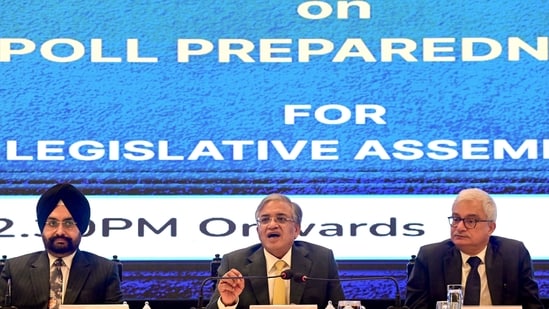
The electoral drumbeat has begun across a significant swathe of India. In a pivotal development, the Election Commission of India (ECI) has officially unveiled the schedule for the 2026 Assembly elections. This eagerly awaited announcement sets the stage for a vibrant democratic exercise in the states of West Bengal, Tamil Nadu, Assam, Kerala, and the Union Territory of Puducherry. The dates, finalized after an intensive meeting of the poll panel, mark the commencement of a frenetic period of political campaigning, administrative preparations, and widespread public engagement.
For months, political corridors buzzed with speculation. Local reports from Kolkata to Chennai often hinted at the meticulous groundwork being laid by the ECI. The poll panel’s recent meeting was crucial, bringing together senior officials to deliberate on the logistical intricacies of conducting free and fair elections across diverse terrains and socio-political landscapes. This comprehensive planning involves everything from finalizing voter lists and deploying security personnel to arranging electronic voting machines (EVMs) and ensuring voter awareness campaigns reach every corner.
A Deep Dive into the Electoral Landscape
Each of the regions heading to the polls carries its unique political narrative and challenges, making these elections a fascinating study in Indian democracy.
West Bengal, a state known for its deeply entrenched political culture and spirited contests, is once again poised for a high-octane battle. The history of multi-phase polling in West Bengal often stems from the need to manage security effectively across its diverse districts. Local news outlets in the state frequently highlight the intense rivalry between major political factions, with grassroots mobilization being a defining characteristic. The upcoming polls will test the mettle of both incumbent parties and determined challengers, all vying for the mandate of its politically aware electorate. Issues ranging from economic development to local governance and social welfare are expected to dominate public discourse.
Further south, Tamil Nadu prepares for an election that will undoubtedly showcase its distinctive Dravidian political dynamics. The state’s political landscape, shaped by charismatic leaders and strong regional parties, always captures national attention. Observer reports from local Chennai news desks often focus on alliance formations and the careful crafting of electoral strategies that resonate with Tamil identity and aspirations. The state’s progressive social policies and industrial growth will likely be key talking points, alongside local issues that impact daily life.
In the Northeast, Assam is gearing up for its democratic exercise with a focus on its unique demographic tapestry and regional concerns. Border management, flood control, tea garden worker welfare, and the preservation of indigenous cultures are often central to political campaigns here. Local Assamese language media frequently reports on the aspirations of various ethnic groups and the delicate balance required to maintain social harmony while pursuing development. The ECI’s challenge in Assam includes navigating diverse geographical areas, from plains to hills, ensuring accessibility for all voters.
The southern state of Kerala presents a distinct political model, characterized by its highly literate population and a strong focus on social indicators. The state has historically seen a swing between two major political fronts, making every election a keenly watched affair. Discussions in local Kottayam and Kochi dailies often revolve around public healthcare, education standards, sustainable development, and the unique socio-religious dynamics that influence electoral choices. Kerala’s commitment to decentralized governance means local issues often take precedence in voter considerations.
Finally, the Union Territory of Puducherry, though smaller in scale, holds significant political importance. Its unique administrative structure, involving both a legislative assembly and central oversight, often leads to intriguing political contests. Local media in Puducherry will undoubtedly track the performance of various parties within this compact but politically vibrant territory, where regional alliances and local leadership play a crucial role in shaping electoral outcomes.
The Herculean Task of Election Management
The announcement of the schedule is merely the first step in a monumental undertaking. The Election Commission of India, as *Omni 360 News* understands, embarks on a complex logistical and administrative journey. This involves:
* Security Deployment: Coordinating with central and state police forces to ensure law and order throughout the election process, particularly on polling days.
* Voter Roll Management: Ensuring accurate and updated electoral rolls, allowing all eligible citizens to cast their vote without hindrance.
* Polling Booth Preparations: Setting up thousands of polling stations, equipping them with EVMs, VVPATs (Voter Verifiable Paper Audit Trail), and necessary facilities, including arrangements for persons with disabilities.
* Model Code of Conduct: Implementing and enforcing the Model Code of Conduct, which ensures a level playing field for all political parties and candidates, preventing any unfair practices.
* Voter Awareness: Running campaigns to educate voters about their rights, the voting process, and the importance of participation.
These elections are not just about choosing representatives; they are a reaffirmation of India’s democratic spirit. Each vote cast contributes to the narrative of governance and public accountability. Political parties will now fine-tune their manifestos, identify their candidates, and intensify their outreach efforts. Citizens, on their part, will engage in discussions, evaluate promises, and ultimately exercise their fundamental right to shape their future. The coming months will witness a spectacle of democratic fervor, watched closely by analysts and citizens alike, as India reiterates its commitment to representative governance.
Key Takeaways:
* The Election Commission of India has announced the 2026 Assembly election schedule for West Bengal, Tamil Nadu, Assam, Kerala, and Puducherry.
* The announcement follows a detailed meeting of the poll panel to finalize dates and multi-phase plans.
* These elections are critical for India’s federal structure, reflecting diverse regional political landscapes.
* West Bengal is expected to see a high-intensity battle, while Tamil Nadu will highlight its unique Dravidian politics.
* Assam’s polls will address regional and demographic concerns, and Kerala’s will focus on social development issues.
* Puducherry, though small, presents its own distinct Union Territory electoral dynamics.
* The ECI faces a massive logistical challenge, requiring extensive planning for security, voter management, and fair conduct.
* The Model Code of Conduct is now in effect, regulating campaigning and ensuring an equitable electoral environment.





