
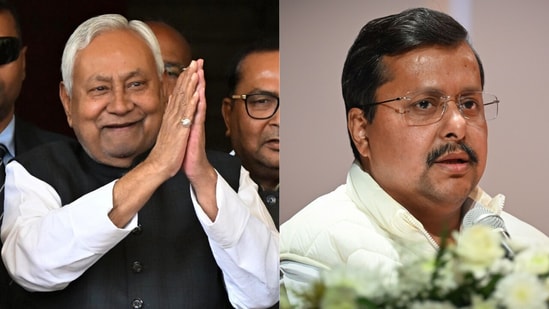
Nitish Kumar, Nitin Nabin emerge victorious as NDA sweeps all five Rajya Sabha seats in Bihar| India News
Bihar’s Political Stalwarts Hold Ground Continuity for Key Leaders
In the dynamic political landscape of Bihar, recent developments have reaffirmed the enduring influence of several prominent figures. Amidst strategic realignments and the perennial jockeying for power, Chief Minister Nitish Kumar, alongside State Minister Nitin Nabin, Union Minister Ram Nath Thakur, and Rashtriya Lok Morcha chief Upendra Kushwaha, have each secured their continued political presence. This collective retention of their positions speaks volumes about the current state of alliances, individual leadership, and the road ahead for the eastern state. Omni 360 News carefully examines the implications of these significant developments, drawing insights from local observations and political analysis.
Nitish Kumar An Unwavering Presence
Bihar Chief Minister Nitish Kumar, often referred to as “Sushasan Babu” for his emphasis on good governance, continues to be a central pillar of the state’s political structure. His retention of the top executive office, whether through coalition arrangements or electoral victories, signals a period of relative continuity in state administration. For a student understanding Bihar politics, envision Nitish Kumar as a seasoned captain of a ship that has navigated many storms and changed course several times, yet always remains at the helm. His political journey has been marked by strategic partnerships, sometimes with the BJP, sometimes with the RJD-led Mahagathbandhan, demonstrating his adaptability and indispensability in forming stable governments.
Local observers frequently point to Kumar’s deep understanding of the state’s intricate caste equations and administrative machinery. His continued leadership often provides a sense of stability, particularly for segments of the population who value his focus on development initiatives like roads, electricity, and women’s empowerment programs. His ability to hold the Chief Ministerial seat, despite shifts in alliances, underscores his unique position as a consensus builder and a leader who can draw support from various quarters. His continued presence at the top ensures that the established administrative framework largely remains intact, offering predictability in policy implementation.
Nitin Nabin A Youthful Continuity in State Affairs
Nitin Nabin, a prominent state minister and a younger face within the Bihar government, has also solidified his standing. His continued role, likely as a Member of the Legislative Assembly from a key constituency, reflects a sustained trust from his electorate and his party’s commitment to nurturing newer leadership. Nabin represents a crucial bridge between the established political guard and the aspirations of a younger generation of voters and party workers. His ability to retain his seat in the legislative assembly is often seen as a testament to his connection with his local constituency and his effective representation of their interests.
For those watching Bihar’s political scene, Nabin’s continued presence is a significant indicator. He often articulates the party’s vision on urban development and public services, areas critical for modern Bihar. Local media narratives often highlight his proactive approach to addressing civic issues and his accessibility to constituents. His continued political relevance suggests a balanced approach within his party, blending experienced leadership with energetic, younger representatives who connect directly with the ground realities of the state’s urban and semi-urban populations.
Ram Nath Thakur A Union Voice for Bihar
Union Minister Ram Nath Thakur, son of the esteemed former Chief Minister Karpoori Thakur, has successfully retained his seat, most recently likely through a renomination to the Rajya Sabha, India’s upper house of Parliament. His continued tenure as a Union Minister underscores the national alliance’s confidence in his capabilities and his symbolic importance, especially given his father’s legacy as a champion of social justice. His presence in the Union Cabinet ensures that Bihar’s concerns and specific developmental needs are voiced at the national level.
Thakur’s political journey is deeply intertwined with the legacy of his father, Karpoori Thakur, whose principles of social equity and backward class empowerment continue to resonate across Bihar. His retention of a parliamentary seat, and subsequent ministerial responsibilities, is not just about individual merit, but also about reinforcing a powerful narrative of representation for historically marginalized communities. This move helps solidify political equations, especially in a state where caste dynamics play a pivotal role in electoral outcomes. Local political discourse often views his continued presence in the Union government as a win for the state’s social fabric and its demand for inclusive governance.
Upendra Kushwaha The Voice of Regional Aspirations
Upendra Kushwaha, chief of the Rashtriya Lok Morcha, a key regional player, has also secured his position, likely through a recent legislative council or Rajya Sabha nomination. Kushwaha’s political career has been characterized by advocating for the interests of the Kushwaha community and other backward classes, often positioning himself as a significant, albeit sometimes independent, voice in Bihar politics. His continued presence ensures that these specific community interests and regional aspirations remain a part of the broader political dialogue, particularly within the state’s ruling or influential alliances.
Kushwaha’s strength lies in his ability to consolidate a particular vote base, making him an important ally for any major party seeking to gain a decisive edge. His retention of a seat in the legislative framework demonstrates his continued relevance and the strategic importance of his party’s support. For a student, think of Kushwaha as a crucial puzzle piece in Bihar’s coalition politics; his inclusion often completes a broader picture of social representation that larger parties seek to project. His political survival, despite various alliances and shifts, speaks to the enduring significance of regional identity and community representation in the state’s electoral calculations.
Key Takeaways from Continued Stature
The retention of seats by these four influential figures offers several critical insights into Bihar’s political landscape:
1. Continuity and Stability: The continued presence of Nitish Kumar at the helm, supported by figures like Nitin Nabin, signals a push for administrative continuity and stability in governance, especially important as the state navigates developmental challenges.
2. Strategic Alliances: The re-affirmation of positions for Ram Nath Thakur and Upendra Kushwaha underscores the intricate web of alliances and power-sharing agreements that define Bihar’s coalition politics. Their inclusion is crucial for balancing caste equations and ensuring broader representation.
3. Legacy and Representation: Ram Nath Thakur’s role prominently highlights the enduring power of political legacies and the importance of symbolic representation for specific communities at the national level.
4. Grassroots Connection: Nitin Nabin’s sustained electoral success reflects the importance of maintaining strong local connections and addressing constituency-specific issues, a foundational aspect of Indian politics.
5. Future Political Trajectory: These retentions suggest a determined effort by the ruling dispensation to maintain its electoral strength and ensure key voices are heard across state and national legislative bodies, setting the stage for future elections.
The unwavering presence of these seasoned politicians and emerging leaders reflects a calculated strategy to maintain political equilibrium and strength in Bihar. As Omni 360 News continues to follow the evolving narratives from the ground, these retentions are seen not merely as individual victories, but as crucial indicators of the broader political currents shaping one of India’s most vibrant and complex states. Their sustained roles promise a period of familiar leadership, even as Bihar continually faces new challenges and opportunities.





