
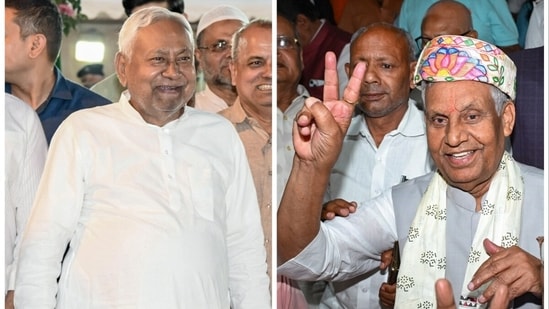
Bihar Rajya Sabha election: NDA fights ‘strategically’ to win, no-show by 4 from opposition camp| India News
Bihar Rajya Sabha Election NDA’s Strong Contenders and Their Political Significance
The intricate dance of electoral politics frequently sees strategic nominations to India’s upper house, the Rajya Sabha, reflecting not just legislative ambition but also deeper political calculations. In Bihar, a state known for its dynamic political landscape, the selection of candidates for the Rajya Sabha by the National Democratic Alliance (NDA) always garners close attention. When prominent figures are considered for these crucial parliamentary roles, it speaks volumes about the alliance’s future vision and its efforts to consolidate its base.
Reporting for Omni 360 News, we delve into the profiles of five key figures whose elevation to the Rajya Sabha on an NDA ticket from Bihar would represent a significant strategic move, reinforcing the alliance’s parliamentary strength and political outreach. These individuals—Nitish Kumar, Nitin Nabin, Ram Nath Thakur, Shivesh Kumar, and Upendra Kushwaha—each bring a unique blend of experience, community representation, and political acumen.
Understanding the Rajya Sabha’s Role
Before examining the individual figures, it is vital to grasp the significance of the Rajya Sabha. Unlike the Lok Sabha, whose members are directly elected by the people, the Rajya Sabha consists of members elected by the legislative assemblies of the states and union territories. This makes it a council of states, bringing regional perspectives to national debates and legislation. For any ruling alliance, securing a strong presence in the Rajya Sabha is crucial for smooth passage of bills and for maintaining legislative authority. Bihar, with its substantial number of parliamentary seats, plays a pivotal role in shaping the composition of both houses.
The Strategic Selection for NDA in Bihar
The NDA in Bihar comprises several parties, primarily the Janata Dal (United) JDU and the Bharatiya Janata Party (BJP). Any nomination reflects careful consideration of caste equations, regional balance, experience, and future leadership. The five names under discussion each exemplify a facet of this multi-pronged strategy.
Nitish Kumar: The Seasoned Statesman’s Strategic Shift
First among the prominent figures is Nitish Kumar himself, the Chief Minister of Bihar and the architect of the JDU. A leader with decades of experience, known for his governance model and ability to navigate complex political alliances, his potential move to the Rajya Sabha would signal a significant shift. While currently leading the state government, a Rajya Sabha berth would position him at the national legislative forefront, allowing him to contribute directly to national policy-making and parliamentary strategy. It would underscore his continued importance within the NDA framework, perhaps even beyond the immediate state-level responsibilities, and project him as a national leader with substantial influence. His presence would lend gravitas to the NDA’s representation in the Upper House.
Ram Nath Thakur: Upholding a Legacy and Community Connect
Next, we look at Ram Nath Thakur, a name that resonates deeply within Bihar’s political history. As the son of former Chief Minister and socialist icon Karpoori Thakur, he carries a powerful legacy of social justice and pro-poor politics. His elevation to the Rajya Sabha would be a clear message from the NDA to the Extremely Backward Classes (EBCs), a crucial demographic in Bihar. Thakur’s quiet but consistent work, coupled with his revered lineage, makes him an ideal candidate to reinforce the NDA’s commitment to inclusive representation. His presence would help cement the alliance’s appeal among a broad section of society, leveraging the goodwill associated with his father’s name and his own political career focused on social upliftment.
Upendra Kushwaha: A Voice for the Koeri Community
Upendra Kushwaha is another significant figure whose potential Rajya Sabha nomination highlights the NDA’s focus on consolidating specific caste groups. Kushwaha has long been a prominent leader representing the Koeri community (part of the OBC bloc) in Bihar. His political journey has seen various alliances, but his consistent influence among his community makes him a valuable asset. A Rajya Sabha berth for Kushwaha would aim to ensure the Koeri votes remain firmly aligned with the NDA, especially in a state where caste dynamics often dictate electoral outcomes. His experience as a former Union Minister also positions him as an experienced voice capable of contributing to national debates.
Nitin Nabin: The BJP’s Youthful Urban Face
From the BJP’s side, Nitin Nabin represents a different, yet equally vital, strategic choice. A prominent face of the BJP, particularly in urban areas like Patna, Nabin is known for his articulate presence and his connection with the younger electorate. His selection for the Rajya Sabha would signal the BJP’s intent to promote younger leadership and maintain its stronghold in urban constituencies. Nabin’s modern approach and strong party loyalty make him a candidate who can effectively articulate the NDA’s policies and vision, not just within Bihar but also on the national stage. He symbolizes the party’s focus on future-oriented politics and a dynamic public image.
Shivesh Kumar: Strengthening Organizational Groundwork
Lastly, Shivesh Kumar, another notable leader from the BJP, would contribute significantly to the NDA’s organizational strength. Often working behind the scenes, such leaders are crucial for grassroots mobilization and party coherence. His potential Rajya Sabha representation would acknowledge his dedication to party work and broad-base appeal within specific regions or social groups. These selections demonstrate the BJP’s commitment to recognizing workers who contribute to the party’s growth and organizational discipline, ensuring that the alliance maintains a strong, connected presence throughout the state.
Collective Impact and Key Takeaways
These five potential Rajya Sabha selections from Bihar would collectively strengthen the NDA’s legislative presence and political messaging. The alliance demonstrates a carefully crafted strategy aimed at balancing seasoned leadership with emerging faces, ensuring caste representation, and solidifying its base across various demographics. The presence of leaders like Nitish Kumar, Ram Nath Thakur, Upendra Kushwaha, Nitin Nabin, and Shivesh Kumar in the Upper House would bring diverse perspectives, deep political experience, and strong community connections to national legislative affairs.
For Omni 360 News, the key takeaways from such a strategic move are clear:
1. Enhanced Legislative Strength: A strong contingent in the Rajya Sabha helps the NDA pass critical legislation and navigate parliamentary challenges.
2. Caste and Community Outreach: Selections like Ram Nath Thakur and Upendra Kushwaha underscore the alliance’s efforts to consolidate crucial vote banks.
3. Leadership Projection: The nominations of figures like Nitish Kumar and Nitin Nabin highlight a balance between established leadership and the promotion of newer, dynamic faces.
4. Political Stability in Bihar: These choices are designed to maintain political equilibrium and strengthen the alliance’s position ahead of future electoral battles in the state.
In Bihar’s ever-evolving political narrative, such strategic appointments to the Rajya Sabha are more than just formalities; they are deliberate steps in a larger political chess game, each move intended to solidify power, broaden appeal, and secure the alliance’s future. The impact of these individuals, once elevated to the national stage, would resonate deeply within the corridors of power, influencing policy and political discourse for years to come.





