
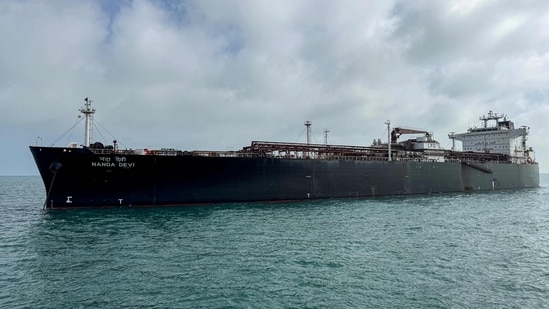
India's second LPG tanker Nanda Devi arrives at Gujarat's Kandla port after passing Strait of Hormuz| India News
Strait of Hormuz Tensions and Vital Shipping Key Takeaways
The strategic chokepoint of the Strait of Hormuz continues to be a focal point for global energy security. This narrow waterway, which connects the Persian Gulf to the open ocean, sees a constant flow of tankers carrying vital resources. Among these vessels is the Indian-flagged medium-range carrier, MT Nanda Devi, whose cargo alone highlights the immense stakes involved. This ship carries enough liquefied petroleum gas (LPG) to fill an astonishing 3.3 million standard 14.2 kg cylinders, a significant supply destined for countless homes and industries. Omni 360 News closely monitors these critical maritime movements.
To understand the Strait’s importance, imagine it as a critical global highway, barely 39 kilometers wide at its narrowest point. Through this passage, nearly a third of the world’s seaborne oil and a substantial portion of its natural gas travels daily. Any disruption, however minor, creates immediate ripples across international markets, influencing energy prices and supply chains far beyond the region.
The MT Nanda Devi serves as a vivid illustration of the regular, yet high-stakes, trade navigating these waters. Her immense LPG cargo represents a lifeline, especially for energy-hungry nations like India. The sheer volume on board underscores the vulnerability of global energy supplies. Any incident affecting such a vessel could lead to considerable economic repercussions, impacting consumer costs and industrial output globally.
Current tensions in the region, driven by geopolitical complexities and ongoing maritime security concerns, maintain a climate of elevated risk for commercial shipping. While not every close call or heightened alert makes global headlines, the persistent threat to safe passage is real. International naval presence, advanced surveillance, and cooperative security measures are routinely deployed to mitigate risks. Reports from local maritime intelligence services consistently stress the imperative for all transiting ships to exercise extreme caution and strictly follow security advisories.
The situation in the Strait of Hormuz is a delicate balance. The world depends on its uninterrupted flow of trade, yet this crucial artery is situated within a volatile geopolitical landscape. For vessels like the MT Nanda Devi, each journey through the Strait is a testament to the resilience of global commerce, but also a stark reminder of how fragile it can be.
Key Takeaways:
* The Strait of Hormuz is a crucial global energy and trade route.
* MT Nanda Devi’s vast LPG cargo exemplifies vital, vulnerable shipments.
* Regional tensions consistently pose risks to international shipping.
* Disruptions in the Strait impact global energy prices and supply stability.





