
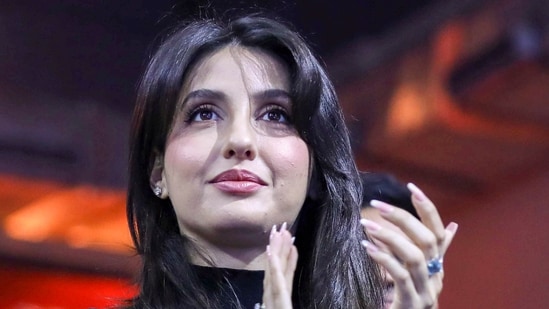
Nora Fatehi controversial song 'Sarke Chunar' reaches Lok Sabha, Centre says 'freedom of speech is...'| India News
Sarke Chunar Song Sparks Intense Public Debate Over Content Standards
The digital music landscape, a vibrant space for creativity and expression, recently found itself at the epicenter of a swirling controversy with the release of the song “Sarke Chunar.” Almost immediately upon its debut across various online platforms, the track ignited a significant public uproar. The contention stemmed predominantly from what numerous local reports and community voices described as overtly sexually explicit lyrics and undeniably provocative visual elements embedded within its accompanying music video. This swift backlash has once again brought to the forefront crucial discussions surrounding artistic boundaries, public decency, and the evolving standards of content consumption in the digital age.
From local community forums to regional news portals, the common thread of concern revolved around the song’s perceived departure from acceptable norms. Viewers and listeners cited specific lyrical phrases and visual sequences that they deemed inappropriate for general audiences, particularly given the accessibility of such content to younger demographics. The debate wasn’t merely about personal preference; it delved into broader questions of cultural sensitivity and the responsibility artists hold when creating for a diverse public. Many expressed a feeling that the song crossed a line, pushing the envelope beyond mere artistic interpretation into the realm of gratuitous content.
Local cultural organizations and parent groups were among the most vocal critics, articulating worries about the potential impact of such material on societal values and the impressionable minds of adolescents. One community leader, as quoted in a regional online publication, emphasized the need for content creators to consider the wider implications of their work, especially when it is easily consumed by all age groups. They highlighted that while artistic freedom is valued, it should ideally be balanced with a sense of social responsibility. These sentiments echoed across various local news discussions, where the song became a focal point for dialogues on what constitutes acceptable entertainment in today’s digital environment.
Conversely, some voices emerged to defend the artists’ creative liberty. Proponents of artistic freedom argued that music and visuals often serve as a medium for pushing societal boundaries, reflecting contemporary realities, or even critiquing existing norms. They suggested that what one person perceives as explicit, another might see as bold, authentic, or innovative expression. This perspective emphasized the subjective nature of art and the potential for differing interpretations. However, even these arguments often acknowledged the delicate balance between unfettered creativity and the sensitivities of a diverse audience. The controversy, as observed by Omni 360 News, became a microcosm of the larger global conversation about censorship versus freedom in media.
The “Sarke Chunar” debate is not an isolated incident; it resonates with similar discussions that have periodically surfaced concerning media content. What it underscores, perhaps more profoundly than before, is the amplifying power of the internet. A song released online can go from obscurity to widespread contention in mere hours, fueled by social media sharing and rapid public commentary. This immediacy demands a more agile response from content creators and platforms alike, forcing them to navigate public sentiment in real time. The incident serves as a stark reminder that while the digital realm offers unprecedented reach, it also brings heightened scrutiny and accountability.
Key Takeaways
The “Sarke Chunar” controversy highlights several critical points for both creators and consumers in the digital age:
* The ever-present tension between artistic freedom and community standards of decency.
* The powerful role of local voices and social media in shaping public opinion around digital content.
* The ongoing challenge for artists to innovate while remaining mindful of diverse cultural sensitivities.
* The imperative for digital platforms to foster environments that balance creative expression with responsible content dissemination.
As the dust settles on the immediate uproar surrounding “Sarke Chunar,” the conversations it ignited will undoubtedly continue to shape the landscape of digital entertainment. It reiterates the complex, often contentious, relationship between art, audience, and the evolving moral compass of society in a perpetually connected world. The dialogue around “Sarke Chunar” is a valuable case study for understanding how quickly and intensely a piece of digital content can impact public discourse, compelling everyone involved to consider the broader implications of their creative choices and consumption habits.





