
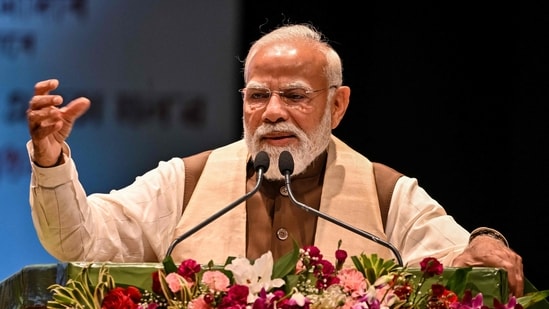
PM Modi's key dialogue with Qatar, Oman, Jordan, France amid Iran-US war: ‘Attacks on energy condemnable’| India News
**India’s Call for Calm Prime Minister Modi Urges Diplomacy in West Asia Energy Crisis Omni 360 News**
The diplomatic landscape often mirrors the shifting sands of global power, and few regions illustrate this more acutely than West Asia. Amidst rising tensions and concerning attacks on vital energy infrastructure, Prime Minister Narendra Modi has voiced India’s deep concern, strongly condemning these destructive acts and advocating for a path of dialogue and diplomacy to restore enduring peace, security, and stability. This firm stance underscores India’s commitment to global harmony and its understanding of the interconnectedness of international affairs.
West Asia, a region often at the crossroads of history and geopolitics, serves as the world’s primary reservoir of oil and natural gas. These energy resources are not just commodities; they are the lifeblood of the global economy, fueling industries, powering transportation networks, and lighting homes from Tokyo to New York. Attacks targeting pipelines, refineries, and shipping routes in this critical area send ripples of uncertainty across the world, directly impacting global energy prices and threatening supply chains that underpin international trade. When such infrastructure is targeted, it’s not merely a regional incident; it’s a tremor felt by consumers and businesses worldwide. For a country like India, which imports a significant portion of its energy needs from West Asia, the stability of this region is paramount to its own economic growth and energy security.
Prime Minister Modi’s explicit condemnation of these attacks is a clear signal from one of the world’s largest economies. His message is unequivocal: violence and sabotage are counterproductive and unacceptable. More importantly, his call for dialogue and diplomacy offers a constructive alternative to escalating conflicts. This aligns with India’s long-standing foreign policy tradition, which has consistently championed peaceful resolution of disputes and multilateral engagement. By emphasizing communication and negotiation, India positions itself as a responsible global stakeholder, eager to contribute to solutions rather than merely observing problems.
Understanding why India takes such a keen interest in West Asia’s stability requires looking beyond just energy. Millions of Indian expatriates live and work across the Gulf nations, contributing significantly to both the Indian and host country economies through remittances and skilled labor. Any instability in the region poses a direct threat to the safety and well-being of this large diaspora, making regional peace a humanitarian concern for New Delhi. Furthermore, trade routes through West Asia are crucial for India’s commerce, linking it to European and African markets. Disruptions here can have tangible negative effects on Indian businesses and livelihoods.
The plea for peace by Prime Minister Modi also highlights a broader understanding that true security cannot be achieved through military means alone. It necessitates addressing the root causes of conflict, fostering trust, and building bridges through sustained diplomatic engagement. This approach emphasizes patient negotiation over immediate retaliation, recognizing that complex regional problems often require nuanced, long-term solutions. It’s a message that resonates with the principles of international cooperation and collective security.
In essence, India’s voice, as articulated by its Prime Minister, is a powerful reminder to the international community. It stresses that in an increasingly interconnected world, regional conflicts have global ramifications. The security of energy infrastructure in West Asia is not just a concern for the nations directly involved; it is a shared responsibility that impacts global economic health and stability.
Key Takeaways: Prime Minister Modi’s statement underscores India’s deep concern for West Asian stability, driven by energy security, diaspora safety, and trade interests. His call for diplomacy over conflict advocates for a peaceful, sustainable resolution, positioning India as a proponent of global harmony. This stance emphasizes the interconnectedness of world affairs and the necessity of dialogue in addressing critical challenges like energy infrastructure protection. Omni 360 News recognizes the gravity of this diplomatic overture.





