
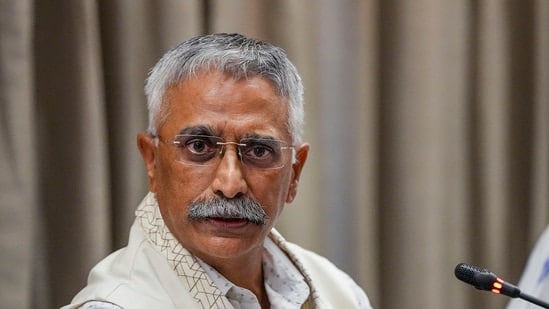
‘Now only into writing fiction’: Indian Army ex-chief Naravane after row over his unpublished autobiography| India News
Unpublished Memoir Fuels Political Debate Rahul Gandhi Cites ‘Four Stars of Destiny’
A quiet ripple of political intrigue has turned into a significant wave following recent statements by Rahul Gandhi, who has referenced excerpts from an as-yet-unpublished memoir titled ‘Four Stars of Destiny’ to level criticisms against the Modi government. The controversy centers on the veracity and political implications of citing a book not yet available for public scrutiny, sparking a wide-ranging national conversation and drawing sharp reactions from all sides. Omni 360 News has been tracking the evolving narrative, gathering insights from various segments of the political and public sphere.
The memoir, reportedly penned by a former high-ranking military official, is understood to offer a behind-the-scenes look at critical periods and decisions within the nation’s defense establishment. Such accounts from seasoned public servants often carry significant weight, providing unique perspectives on governance and policy. However, its current unpublished status adds a layer of complexity, making independent verification of its contents impossible for the public and media alike. This situation immediately thrusts the book and its alleged revelations into the heart of a contentious political debate.
Rahul Gandhi, a prominent figure in the opposition, has publicly stated that ‘Four Stars of Destiny’ contains passages that purportedly shed light on certain government actions and policies. While specific details of his charges remain under close examination, the core of his argument appears to challenge the transparency and decision-making processes of the current administration. His strategy involves using these unconfirmed excerpts to bolster his criticisms, painting a picture that he suggests demands public accountability. Local political analysts from various regions note that this tactic, while aggressive, highlights the persistent information gaps that often characterize high-stakes political skirmishes. For instance, discussions in community forums in smaller towns often revolve around the difficulty of discerning fact from political rhetoric when sources are not publicly accessible.
The Modi government and its allies have swiftly dismissed these claims. Their primary counter-argument hinges on the memoir’s unpublished status. Spokespersons have emphasized that allegations drawn from a book not yet released to the public cannot be substantiated. They argue that such citations are speculative and potentially designed to mislead. The government’s position stresses the importance of verifiable information and suggests that using unconfirmed texts amounts to irresponsible political maneuvering. This point has resonated with many, with local media outlets often featuring debates among commentators about the ethical boundaries of political discourse. A recent editorial in a regional daily highlighted the double-edged sword of information in the digital age, where unverified claims can spread rapidly.
The situation presents a unique challenge for the public. On one hand, the assertions made by a national leader command attention. On the other, the source material remains inaccessible, creating an environment ripe for speculation rather than informed debate. For a 12th standard student trying to understand this, imagine a situation where someone makes a serious claim about a historical event, but the only evidence they offer comes from a history book that hasn’t been printed yet and can’t be checked by anyone else. It becomes very hard to know if the claim is true or just an opinion. This lack of public access to ‘Four Stars of Destiny’ means citizens are asked to weigh political accusations without direct evidence. It places a significant burden on individuals to critically assess information, underscoring the vital role of responsible journalism in navigating such complex narratives.
Local community leaders and smaller publications, often closer to the grassroots, are reporting mixed reactions. Some see Gandhi’s move as a bold attempt to hold power accountable, while others express concern about the precedent of citing unverified sources in political discourse. Town hall meetings and online discussion groups across different constituencies are grappling with how to interpret these developments, especially as the news trickles down from national headlines to local conversations. Many local commentators point out that such high-profile controversies often distract from pressing local issues, even as they ignite passionate debates among the electorate. The lack of concrete, verifiable information from the book itself ensures that the political battle lines remain sharply drawn, with both sides leveraging their narratives without a common factual ground.
This episode serves as a powerful reminder of the delicate balance in political communication, where strategy, information, and public trust intersect. Omni 360 News continues to monitor this unfolding story, emphasizing the need for clarity and factual grounding in all public discourse. The political implications of this move are significant, shaping public perception and influencing the ongoing national dialogue as the nation moves towards future electoral cycles.
Key Takeaways
* Rahul Gandhi cited excerpts from the unpublished memoir ‘Four Stars of Destiny’ to make charges against the Modi government.
* The memoir, reportedly by a former military official, is not publicly available, making its contents unverified.
* The Modi government has dismissed the claims, citing the book’s unpublished status as grounds for its unreliability.
* The controversy highlights challenges in political discourse when unverified sources are used, creating difficulty for public assessment.
* Local reactions vary, with some supporting Gandhi’s accountability efforts and others questioning the use of unconfirmed information.
The debate around ‘Four Stars of Destiny’ will likely continue to simmer, impacting political rhetoric and public perception for the foreseeable future. As the political landscape shifts, the quest for factual clarity remains paramount, especially when narratives are built upon foundations that are not yet visible to all.





