
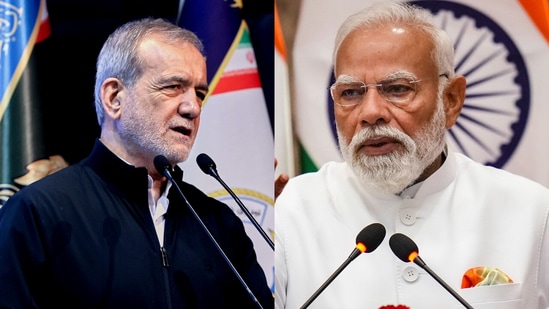
'Shipping lanes must remain open, secure': PM Modi speaks with Iran President, second call since war began| India News
India Reiterates Maritime Safety in Call With Iran New President Key Global Trade Implications
New Delhi has sent a clear signal on the paramount importance of secure sea lanes, a stance reaffirmed by Prime Minister Narendra Modi during his recent telephone conversation with newly elected Iranian President Masoud Pezeshkian. In a critical diplomatic exchange, PM Modi underscored the necessity of “safeguarding freedom of navigation,” a principle vital for global commerce and regional stability. This timely interaction, reported by trusted news outlets tracking diplomatic exchanges, highlights India’s proactive engagement in a volatile maritime landscape.
Understanding Freedom of Navigation
For a clearer understanding, imagine the world’s oceans as vast highways. “Freedom of navigation” means that ships from any country have the right to travel through international waters without illegal interference. This isn’t just about military vessels; it’s crucially about commercial ships carrying everything from oil and gas to manufactured goods. If these maritime highways are blocked or made unsafe, it directly impacts global trade, energy supplies, and the economy of every nation.
The Current Maritime Landscape and India’s Stake
The Prime Minister’s emphasis comes amidst heightened concerns over the security of vital shipping routes, particularly in the Red Sea and the broader Indian Ocean region. Recent attacks on commercial vessels by non-state actors have disrupted global supply chains, forcing ships to take longer, costlier detours. India, as a significant trading nation and a major importer of energy, relies heavily on these maritime routes for its economic lifeline. A substantial portion of India’s crude oil imports, for instance, transits through the Persian Gulf and then often via the Red Sea-Suez Canal route to reach the West. Any instability directly translates into higher shipping costs, insurance premiums, and ultimately, increased prices for consumers.
India’s message to President Pezeshkian is thus a clear articulation of its national interest: ensuring uninterrupted and secure access to these critical sea lanes. Iran, due to its strategic geographical position and influence in the Gulf region, plays a significant role in maintaining or disrupting maritime security. Engaging directly with the new Iranian leadership at this early stage underscores the importance India places on regional cooperation for the benefit of all.
Key Takeaways
The Prime Minister’s direct communication to President Pezeshkian signals India’s unwavering commitment to:
- Global Economic Stability: Unhindered movement of goods is fundamental for economies worldwide.
- Energy Security: Protecting routes for crucial oil and gas imports is non-negotiable for India’s growth.
- Regional Diplomatic Engagement: India aims to work with all regional stakeholders, including Iran, to de-escalate tensions and promote stability.
This proactive diplomatic move by New Delhi reflects a nuanced foreign policy that prioritizes practical outcomes and safeguard its strategic interests in a complex global environment. Keeping an eye on developments, Omni 360 News will continue to track how these discussions shape the future of international maritime security.





