
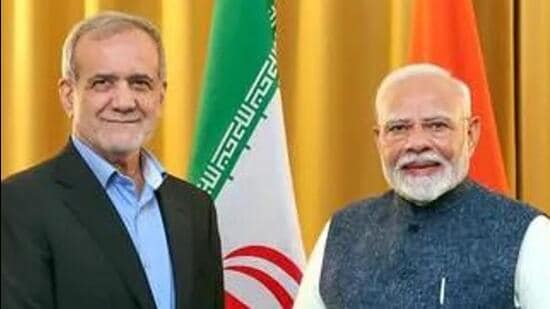
PM Modi condemns attacks in West Asia, seeks open shipping lanes in call with Iran President| India News
Modi and Pezeshkian Discuss Open Shipping and Energy Protection
New Delhi, India – In a significant diplomatic engagement, Prime Minister Narendra Modi recently met with Iranian President Masoud Pezeshkian, where discussions underscored a mutual commitment to regional stability and economic connectivity. The talks, keenly observed by analysts and citizens alike, prominently featured India’s steadfast call for open and secure shipping lanes, alongside a firm condemnation of any assaults on vital energy infrastructure. This dialogue highlights the intricate web of geopolitical and economic considerations that bind nations in today’s interconnected world, a narrative thoroughly explored by Omni 360 News.
For a clearer understanding, imagine global trade as a massive circulatory system, with shipping lanes acting as the major arteries. These maritime routes are crucial pathways for goods—from the oil that fuels our cars to the electronics we use daily—to travel across continents. When these lanes are disrupted, for instance by piracy or regional conflicts in areas like the Red Sea, the flow of trade slows down, leading to delays and increased costs. This directly impacts ordinary people, as the price of everyday items can go up. India, with its extensive coastline and deep reliance on maritime trade, has a profound interest in ensuring these global arteries remain unobstructed and safe for commerce. Prime Minister Modi’s emphasis on “open shipping lanes” during his conversation with President Pezeshkian signals India’s proactive stance in safeguarding this crucial aspect of international trade.
The discussions also delved into the critical issue of energy infrastructure. Think of energy infrastructure as the backbone of our modern world. This includes everything from pipelines that carry natural gas and oil, to power plants that generate electricity, and facilities that refine crude oil into usable fuels like petrol and diesel. Attacks on such infrastructure, whether from deliberate acts or accidental damage due to conflict, can have devastating ripple effects. A damaged pipeline means less fuel reaching markets, potentially causing shortages and higher prices at the pump for consumers. A disrupted power plant can lead to blackouts, affecting homes, hospitals, and businesses. President Modi’s condemnation of these attacks reflects a broader global concern for energy security and the stability of supplies, which are fundamental to both economic growth and social well-being. Both India and Iran, as significant players in the global energy landscape, understand the profound implications of such disruptions.
The strategic importance of the Chabahar Port, a joint project between India, Iran, and Afghanistan, naturally formed part of the dialogue. This port in southeastern Iran provides India with a crucial sea-land route to Afghanistan and Central Asia, bypassing Pakistan. It’s not just about trade; it’s about creating alternative corridors for commerce and enhancing regional connectivity. An efficiently functioning Chabahar Port, supported by secure maritime routes, can unlock immense economic potential for all involved nations, facilitating the movement of goods, fostering new businesses, and creating jobs. The vision for this port extends beyond simple logistics, aiming to establish a reliable and stable economic pathway for future generations.
The leaders further discussed strengthening bilateral ties beyond these critical issues. India and Iran share historical and cultural connections that span centuries. Sustaining a robust diplomatic relationship is essential for navigating the complex geopolitical landscape of the region. This involves cooperation on various fronts, including cultural exchange, educational partnerships, and tackling common challenges such such as terrorism and climate change. Such engagements are about building trust and finding common ground, ensuring that channels of communication remain open even amidst global complexities.
Key Takeaways:
* Maritime Security: India is a vocal advocate for unimpeded global shipping lanes, especially in crucial areas like the Red Sea, to maintain stable trade and avoid economic disruptions that impact everyday costs.
* Energy Infrastructure Protection: The discussions highlighted the shared concern over attacks on energy facilities, recognizing their direct link to global energy prices and overall economic stability.
* Chabahar Port’s Role: The strategic Chabahar Port remains a focal point for enhancing regional connectivity and trade, offering a vital corridor for India to Central Asia.
* Strengthening Bilateral Relations: Beyond immediate concerns, both nations are committed to deepening their long-standing relationship across various sectors.
In conclusion, the meeting between Prime Minister Modi and President Pezeshkian was a timely reminder of how global issues of trade, security, and energy directly influence national prosperity and the daily lives of citizens. India’s consistent push for stability in these areas underscores its commitment to a predictable and prosperous international environment. Such diplomatic efforts are not merely abstract discussions among leaders; they are the bedrock upon which economic growth is built, ensuring that the wheels of commerce keep turning and vital resources remain accessible to all.





