
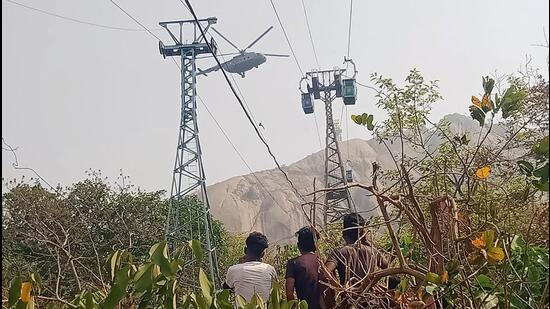
Ropeway trolley returning from temple falls in Chhattisgarh; 1 dead, 6 injured| India News
Khallari Mata Temple Ropeway Tragedy A Sobering Reminder of Pilgrimage Safety Key Takeaways on Accident Prevention
A somber cloud now hangs over the sacred hills near Khallari Mata temple in Chhattisgarh’s Mahasamund district. What began as a pilgrimage filled with devotion during the auspicious Navratri festival tragically turned into a scene of distress and loss when a ropeway cable snapped, claiming the life of a woman and leaving six others injured. The incident, which unfolded recently, has cast a spotlight on the critical need for stringent safety measures and regular maintenance at such public access points, especially those catering to a continuous stream of devotees.
Reports from local correspondents in the Bagbahara block paint a grim picture. The unfortunate event occurred as pilgrims were making their way to the revered Khallari Mata temple, perched atop a hill, accessible by a ropeway system. For many, a ropeway provides a convenient and often breathtaking journey, sparing them the arduous climb. It’s a mechanism where cabins or chairs are suspended from moving cables, allowing people to traverse challenging terrain. However, on this particular day, the routine journey took a devastating turn.
Local eyewitnesses, many still reeling from the shock, recounted the sudden jolt and the horrifying realization that a part of the ropeway system had malfunctioned. Initial investigations, as confirmed by officials from the Mahasamund district administration, point towards a primary cable snapping, leading to the collapse of one or more cabins. The immediate aftermath was chaotic, with panic quickly spreading among those still on the ropeway and the crowds gathered below.
The deceased has been identified as a woman who was among the passengers in the affected cabin. Her loss is a profound tragedy that resonates deeply within the local community and among the countless pilgrims who frequent the temple. Of the six injured, some sustained severe injuries requiring immediate medical attention, while others were treated for less critical wounds. All injured individuals were promptly transported to nearby medical facilities, with district authorities ensuring they received the best possible care. The swift response from local police, rescue teams, and volunteers was commendable, initiating immediate search and rescue operations in the challenging hilly terrain.
This incident has naturally spurred a comprehensive investigation by state authorities. Teams of technical experts and engineers are meticulously examining the site, scrutinizing the ropeway’s design, operational history, maintenance logs, and the specific point of failure. The focus remains on understanding precisely what led to the cable snap. Was it a material defect, a lapse in routine maintenance, an operational error, or perhaps a combination of factors? Ensuring accountability and implementing corrective actions are paramount to prevent such occurrences in the future. The findings of this inquiry will be crucial not only for the Khallari Mata temple ropeway but for all similar installations across the region and country.
The Khallari Mata temple is a significant pilgrimage destination, drawing thousands of devotees, especially during Navratri. The ropeway has been an integral part of the pilgrimage experience for years, making the climb accessible to a wider demographic, including the elderly and those with physical limitations. This tragic event underscores the immense responsibility that comes with operating such infrastructure, particularly in high-traffic, devotional contexts. Safety cannot be an afterthought; it must be the foundational pillar of design, construction, operation, and maintenance.
Community discussions across local platforms and among templegoers highlight a mix of sorrow, concern, and a fervent hope for improved safety standards. There is a collective understanding that while accidents can happen, every effort must be made to minimize risks, especially when human lives are at stake. The state government has acknowledged the gravity of the situation, with officials expressing condolences to the bereaved family and assuring all necessary support to the injured. Compensation for the victims and their families is also expected to be a part of the government’s response.
From the perspective of Omni 360 News, this incident serves as a stark reminder that infrastructure safety, particularly in public spaces and pilgrimage sites, demands constant vigilance. It’s not merely about having a ropeway; it’s about ensuring it operates with zero compromise on safety standards, adhering to national and international guidelines, and undergoing rigorous, transparent inspections. The trust placed by pilgrims in such facilities is immense, and that trust must be upheld through impeccable safety records.
Key Takeaways:
* Urgent Need for Safety Audits: The incident highlights an immediate requirement for comprehensive safety audits of all existing ropeways and similar public transport systems, especially at pilgrimage sites.
* Prioritizing Maintenance: Routine and preventative maintenance schedules must be strictly adhered to, with no room for shortcuts or delays, and these records should be transparently accessible to regulatory bodies.
* Emergency Preparedness: Robust emergency response protocols, including swift evacuation procedures and medical aid, are critical for minimizing casualties and mitigating panic during unforeseen events.
* Accountability: A thorough and impartial investigation is essential to pinpoint responsibility and ensure that appropriate legal and operational actions are taken to prevent recurrence.
* Public Awareness: Users of such facilities should also be made aware of safety guidelines and emergency procedures to contribute to their own safety.
As the community mourns and the investigations unfold, the focus must remain on learning from this tragedy. The ultimate goal is to ensure that such pilgrimages remain journeys of faith and not unwitting encounters with preventable risks. The safety of every devotee, every traveler, must be paramount.





