
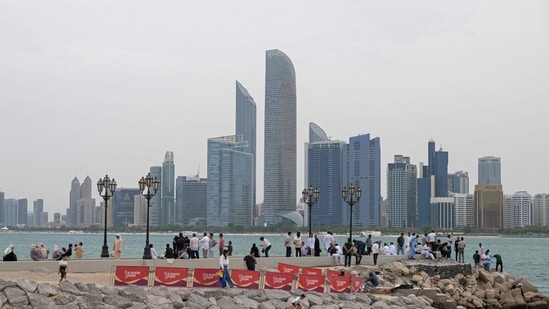
Indian national injured in Abu Dhabi after ballistic missile debris falls in Al Shawamekh| India News
Six Indian Lives Lost Amidst Middle East Crisis, Saudi Arabia Reports First Fatality
The ongoing turmoil across parts of the Middle East continues to cast a somber shadow, particularly for the vast community of Indian expatriates seeking livelihoods far from home. Recent reports confirm a heartbreaking toll: six Indian nationals have tragically lost their lives amidst the escalating instability in the region. This somber count was tragically underscored last week with the confirmation of Saudi Arabia’s first Indian casualty, a stark reminder that the crisis’s reach is widening and its impact on human lives is profound.
For decades, the Middle East has been a beacon of opportunity for millions of Indians, drawing skilled and unskilled workers alike with the promise of better wages and a secure future for their families back home. From construction sites to medical facilities, the Indian diaspora has played a crucial role in the region’s development. However, the current geopolitical uncertainties have transformed this dream into a landscape fraught with unforeseen dangers, forcing families in India to live in constant apprehension for their loved ones overseas.
The news of six Indian lives being cut short resonates deeply within various communities across India. Local reports from states like Kerala, Uttar Pradesh, and Punjab often highlight the personal stories behind these statistics. These are individuals who left their villages and towns with hopes of building a better life, supporting aging parents, educating their children, or saving for a modest home. Their untimely demise leaves a void that extends far beyond immediate family, affecting entire neighborhoods that relied on their remittances and looked forward to their return. Community leaders and local panchayats frequently express profound grief, often rallying to support the bereaved families during their darkest hour.
The latest casualty in Saudi Arabia adds a new dimension to this tragedy. While other losses were reported from areas directly impacted by conflict, the incident in Saudi Arabia signals that even traditionally stable regions are not immune to the ripple effects of the broader crisis. Details emerging from local sources suggest the individual was a construction worker, caught in an unexpected incident linked to operational disruptions in the broader region. Such occurrences underscore the pervasive nature of risk, extending beyond active war zones to everyday working environments affected by regional tensions. Omni 360 News has been tracking these developments, noting the growing anxiety among Indian expatriate communities across the Gulf.
The Indian government, through its embassies and consulates in the Middle East, has been actively engaged in monitoring the situation, providing assistance, and facilitating the repatriation of mortal remains. Consular teams are working tirelessly, often in challenging circumstances, to offer support to affected families and ensure their concerns are addressed. Welfare funds for Indian workers abroad are being accessed to provide immediate financial aid to the families of the deceased. These efforts are crucial, yet they cannot erase the immense personal loss endured by those left behind.
For a 12th-standard student trying to understand this complex situation, it’s important to see beyond the headlines. Imagine a situation where people from your town or village travel to a far-off place for work, sending money back home. Now, imagine that region becomes unstable due to conflicts between different groups or countries. Even if your townspeople are not directly involved in fighting, their workplaces, their travel routes, or even their living areas might become unsafe. This is what’s happening. The ‘Middle East crisis’ isn’t just one big war; it’s a series of interconnected problems, sometimes involving different countries, sometimes internal conflicts, which create a very risky environment for everyone, including those who are just there to earn a living. The Indian workers are caught in the middle, facing risks that were unimaginable when they first moved there.
The economic imperative driving many Indians to the Gulf region remains strong. For many families, working abroad is not a choice but a necessity to escape poverty and secure a future for their children. This economic reality means that even amidst heightened risks, the flow of workers continues, underscoring the delicate balance between opportunity and peril. Organizations representing the Indian diaspora are playing a vital role, providing ground-level support, sharing safety advisories, and acting as crucial conduits between worried families in India and their relatives in the Gulf. They often organize community gatherings to offer solace and practical help to those affected, demonstrating the strength of collective solidarity.
Key Takeaways:
* Six Indian nationals have tragically lost their lives in the ongoing Middle East crisis, highlighting the profound human cost.
* The recent fatality in Saudi Arabia signifies the broadening impact of regional instability beyond direct conflict zones.
* Indian expatriate workers face significant risks, often driven by economic necessity to seek livelihoods abroad.
* The Indian government and diaspora organizations are actively working to provide support, assistance, and ensure the welfare of their citizens in the Gulf.
* The crisis underscores the critical need for continued vigilance, robust support systems, and proactive measures to ensure the safety of Indian workers overseas.
The stories of these six individuals serve as a poignant reminder of the human cost exacted by geopolitical strife. They represent dreams unfulfilled, families fractured, and communities left to mourn. As the situation in the Middle East evolves, the focus remains firmly on the safety and well-being of the vast Indian diaspora, with calls for international cooperation and robust protective measures to safeguard those who contribute so much to economies both at home and abroad. Omni 360 News will continue to provide updates on this critical issue, emphasizing the human element at its core.





