
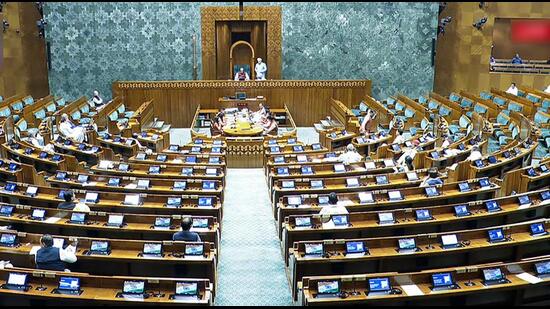
Govt begins process for consensus on delinking women quota from census, delimitation| India News
Lottery for Women’s Reserved Seats Examining Fairer Political Voice
Discussions are gaining momentum around a novel approach to enhance women’s representation in legislative bodies: introducing a lottery system to earmark one-third of constituencies for women candidates. This innovative idea aims to ensure greater gender balance in politics, a topic closely followed by Omni 360 News.
The core proposal involves dedicating approximately one-third of all electoral constituencies specifically for women candidates. Unlike permanent reservations where certain seats are always for women, this system would use a lottery drawing to decide which constituencies are reserved in each election cycle. Imagine a large raffle where, before every election, some seats get picked, and only women can contest from those specific areas. This means different constituencies would have reserved status over time, preventing any single area from being permanently excluded from having male representation.
Proponents argue this method tackles the long-standing issue of underrepresentation by providing a direct pathway for women to enter politics. Many local advocacy groups champion this as a swift and effective mechanism to foster diversity in decision-making, believing it will bring fresh perspectives to policy discussions. They highlight that women’s voices are crucial for addressing community needs comprehensively.
However, the concept also brings forth various considerations. Local political observers question the practicalities of a lottery. Concerns include potential disruption for sitting members, the impact on voter choice in constantly shifting reserved seats, and the risk of ‘proxy’ candidates, where women might be fielded by male politicians to hold a seat indirectly. Ensuring genuine women leadership emerges, rather than token representation, remains a critical challenge. The fairness of randomly selecting seats, and how this impacts regional political stability, is also a part of the ongoing debate.
This system, if implemented, would require robust mechanisms for its execution, transparency in the lottery process, and measures to encourage competent women to step forward. It represents a significant electoral reform with the potential to reshape the political landscape, sparking vital conversations across communities about fair representation and democratic principles. Omni 360 News will continue monitoring these developments.
Key Takeaways:
* A lottery system for one-third women’s constituency reservation is being explored.
* It aims to boost women’s political presence without permanent seat reservations.
* Supporters see it as a direct route to gender equality in governance.
* Critics raise questions about implementation, voter choice, and potential for proxy candidates.
* The debate highlights the complexities of electoral reform for fair representation.





