
play
Free Speech Under Fire: Australia’s Post-Bondi Crackdown Sparks Alarm
Imagine speaking your mind, only to wonder if the government is listening, not out of genuine concern for safety, but out of a desire to silence certain viewpoints. That chilling thought is becoming a very real worry for many Australians right now. After the horrific events at Bondi Junction, authorities promised swift action to enhance security. But critics say that promise has morphed into something far more troubling: a targeted campaign against those expressing solidarity with Palestinians.
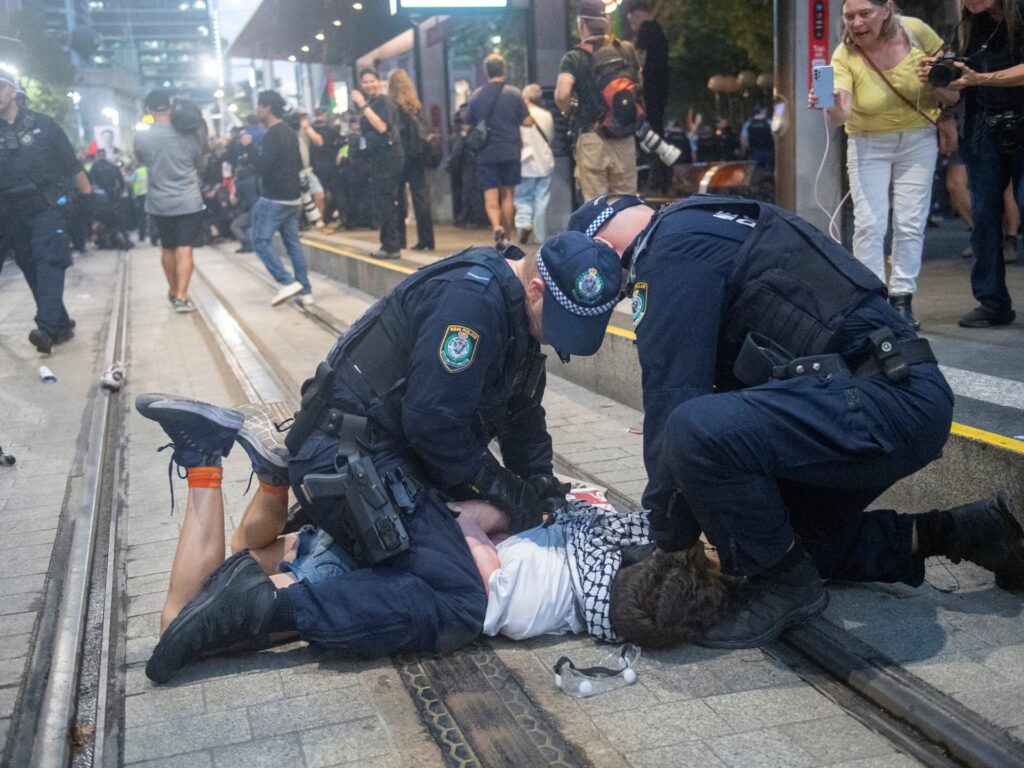
The government’s immediate response following the tragic Bondi stabbings was clear: a tightening of security, a push for greater online control, and a laser focus on public safety. Understandable, certainly. Yet, what’s less clear is how consistently and fairly those new measures are being applied. Reports are now emerging, painting a concerning picture where individuals and groups advocating for Palestinian rights are finding themselves under increased scrutiny, facing censorship, or even arrests for actions that would typically be considered legitimate protest. It’s not just about stopping potential violence; it’s about who gets to speak, and about what.
Is Public Safety a Pretext for Silencing Dissent?
When a government claims to act for public safety, we expect clear, proportional responses that benefit everyone equally. We don’t expect to see those powers disproportionately applied to specific political viewpoints or activist groups. This isn’t just an Australian problem; it’s a pattern we’ve witnessed globally too often: tragedy or crisis used as an excuse to curtail civil liberties. If these accusations of targeting pro-Palestinian voices are true, it represents a dangerous erosion of fundamental democratic principles. Free speech, even speech we might strongly disagree with, is the absolute bedrock of a healthy, functioning society. Squashing it, particularly under the guise of security, only breeds resentment, stifles necessary debate, and fosters deep public distrust. It also begs the uncomfortable question: who decides which voices are deemed ‘safe’ and which are not?
Australian authorities are accused of using post-Bondi security measures to target pro-Palestinian voices. Critics allege this effort curtails political expression, raising serious free speech concerns and sparking a vital debate about civil liberties nationwide. This boils down to questions of state power and dissent.





