
play
**Myanmar Bleeds: Families Caught in a Brutal, Complex War**
Imagine waking up to the distant thud of artillery, knowing your home could be next. Imagine fleeing with just the clothes on your back, leaving behind everything you’ve built. This isn’t some distant historical footnote; it’s the terrifying daily reality for millions of people in Myanmar right now, caught in one of the most brutal and multifaceted civil conflicts of our time. Their stories are often unheard, overshadowed by the sheer complexity of who’s fighting whom, and why. But for them, it’s personal. It’s survival.
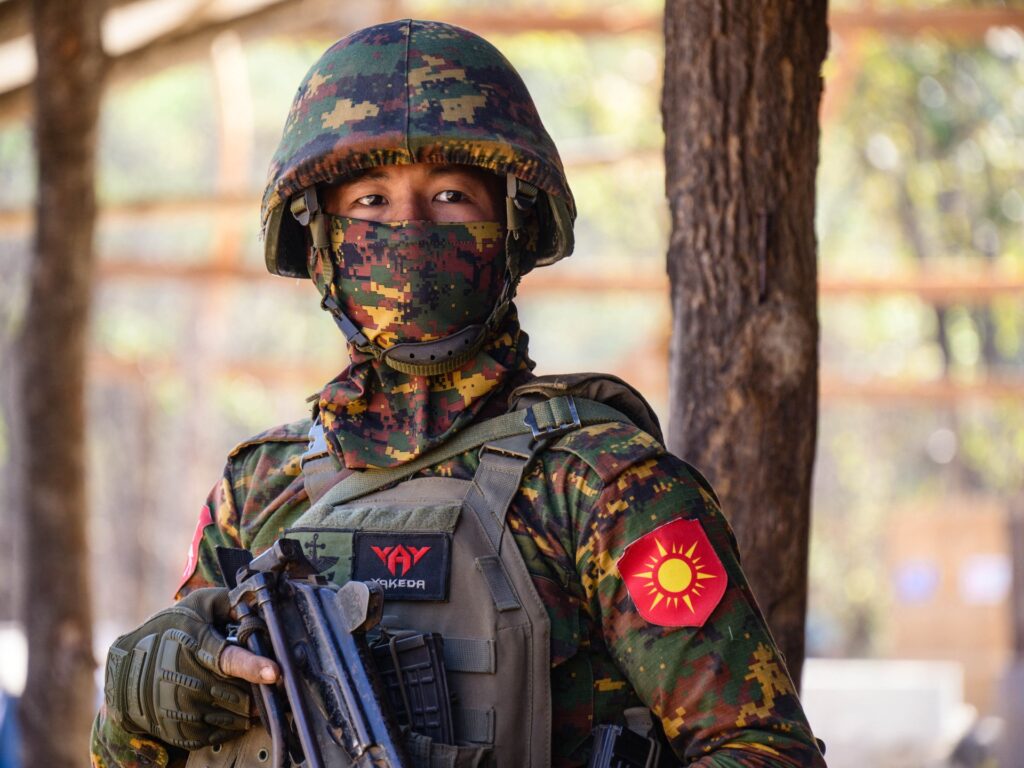
What’s actually happening here is simple at its core, yet incredibly intricate in practice. Since the military junta, known as the Tatmadaw, seized power in a coup in February 2021, the nation has spiraled. It’s not one single conflict, but a series of interconnected battles. The Tatmadaw, relentless in its efforts to consolidate power, finds itself up against an ever-growing alliance of opposition. This includes numerous established ethnic armed organizations (EAOs), groups that have fought for autonomy for decades. But it also includes newly formed People’s Defense Forces (PDFs), citizen militias born out of outrage and a fervent desire for democracy. They’re fighting across virtually every corner of the country, turning towns into war zones and displacing countless families. It’s a struggle for the very soul of the nation.
Who’s Really Behind Myanmar’s Endless Conflict?
At its heart, this is a fight between the entrenched military establishment and a diverse, often fragmented, resistance movement. The Tatmadaw aims to maintain its absolute control, crushing any dissent with overwhelming force. Their tactics are brutal, targeting civilians suspected of supporting the resistance. On the other side, the EAOs seek greater regional autonomy and self-determination, often aligning with the broader democratic movement when it serves their strategic interests. The PDFs, largely young and civilian-led, are driven by a singular goal: to overthrow military rule and restore a democratically elected government. This isn’t a simple two-sided affair; alliances shift, local grievances flare, and the lines between ‘who’s fighting who’ can blur with alarming speed. Each group has its own history, its own objectives, adding layers of complexity to an already tragic situation.
The conflict in Myanmar is fought primarily between the military junta, the Tatmadaw, and a broad coalition of opposition forces. These include long-standing ethnic armed organizations (EAOs) seeking autonomy, and newly formed People’s Defense Forces (PDFs) aiming to restore democracy. They’re battling for control across multiple fronts following the 2021 military coup.
What we’re witnessing isn’t just a political struggle; it’s a humanitarian catastrophe unfolding in plain sight. Villages are burned, innocent lives are lost, and basic necessities like food and medicine are scarce for those trapped in conflict zones. The international community, while condemning the violence, often struggles to find effective leverage. Sanctions hit hard, but they don’t stop the bullets or bring back homes. It feels like a relentless cycle, with no clear path to peace. For the people of Myanmar, this isn’t abstract geopolitics; it’s a profound, personal tragedy that continues to demand our attention and, more importantly, a concerted effort to end the bloodshed. Their future, and the future of their nation, hangs precariously in the balance.





