
2 Indian LPG tankers reach ports, 2 more en route from Strait of Hormuz| India News
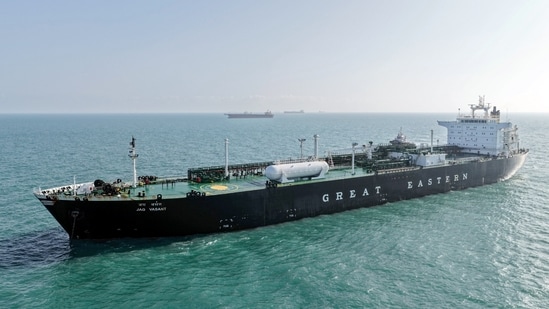
Jag Vasant LPG Tanker Anchors at Vadinar Port Strengthening India’s Energy Lifeline
Vadinar, Gujarat – In a significant development for India’s energy security, the 230-meter-long LPG tanker, Jag Vasant, successfully dropped anchor at Vadinar, a vital terminal operated by the state-run Deendayal Port Authority (DPA) on Friday evening around 8 pm. This arrival marks the safe conclusion of one of several crucial voyages bringing essential liquefied petroleum gas (LPG) supplies to the nation, ensuring homes and industries continue to receive their much-needed fuel.
The docking of the Jag Vasant at Vadinar is more than just a routine port call; it represents a critical link in India’s complex energy supply chain. The ship, loaded with vital LPG cargo, journeyed from the Strait of Hormuz, a narrow yet globally significant waterway. This passage is a key chokepoint for much of the world’s oil and gas trade, making the safe transit of such tankers a matter of national strategic importance. Local port officials confirmed the vessel’s smooth entry and berthing, initiating the process of offloading its precious cargo.
Understanding the Energy Jigsaw
For many, a ship arriving at a port might seem like a simple event. However, for a country like India, which imports a substantial portion of its energy requirements, each such arrival is a testament to meticulous planning and robust logistical operations. LPG, primarily used for cooking in households and as fuel in certain industries, is a cornerstone of daily life. Ensuring a steady supply helps maintain price stability and availability, directly impacting millions of citizens. The Deendayal Port Authority, headquartered in Kandla, plays an indispensable role in this national effort, handling vast quantities of cargo including crude oil, petroleum products, and gas, making Vadinar a pivotal energy gateway.
The significance of the Strait of Hormuz cannot be overstated. Connecting the Persian Gulf with the Arabian Sea and the Gulf of Oman, it is the only sea passage from the Persian Gulf to the open ocean, through which roughly a third of the world’s liquefied natural gas (LNG) and almost a quarter of total global oil consumption passes. Any disruptions or geopolitical tensions in this region can have ripple effects on global energy markets, directly influencing India’s fuel costs and availability. Therefore, the successful passage and arrival of vessels like the Jag Vasant are closely monitored and celebrated by energy sector stakeholders.
A Closer Look at Vadinar and DPA’s Role
Vadinar, located in the Gulf of Kutch, is strategically positioned to serve the energy needs of western India and beyond. It boasts state-of-the-art facilities designed to handle large tankers and process various liquid cargoes efficiently. The DPA, formerly known as Kandla Port Trust, is one of India’s major ports, continuously upgrading its infrastructure to meet the growing demands of trade and energy imports. The arrival of a 230-meter ship like the Jag Vasant highlights the port’s capacity and readiness to accommodate large vessels, ensuring quick turnaround times vital for maintaining supply lines.
The port authority’s robust operational protocols ensure the safe docking, offloading, and subsequent distribution of hazardous materials like LPG. These procedures involve coordination between multiple agencies, including maritime traffic control, port security, and environmental protection teams, all working in unison to prevent incidents and maintain smooth operations. The careful management of these complex logistics reflects the experience and dedication of the DPA staff.
Broader Implications for India
The arrival of tankers such as Jag Vasant is part of a larger, ongoing effort to secure India’s energy future. With an expanding economy and a growing population, the demand for energy is consistently on the rise. Diversifying sources, maintaining strong international trade relations, and ensuring secure maritime routes are paramount to meeting these demands without interruption. The safe passage of the Jag Vasant, along with other similar tankers currently en route or expected, reinforces the resilience of India’s import infrastructure.
This ongoing flow of critical energy resources allows industries to thrive, businesses to operate, and communities to function without hindrance. It underpins economic stability and contributes to the nation’s overall progress. Omni 360 News understands that while individual ship arrivals might seem minor, collectively they paint a picture of relentless national effort to ensure stability and prosperity.
Key Takeaways
* Timely Arrival: The LPG tanker Jag Vasant, 230 meters long, anchored safely at Vadinar terminal, Deendayal Port Authority (DPA) on Friday around 8 pm, bringing essential fuel.
* Strategic Importance: The voyage from the Strait of Hormuz underscores the critical role of secure maritime routes for India’s energy imports.
* Vadinar’s Role: Vadinar, a key DPA terminal, demonstrates its robust capacity to handle large vessels and critical energy cargo.
* Energy Security: Such arrivals are vital for maintaining India’s energy supply, supporting households and industries, and contributing to economic stability.
* Continuous Supply: This event is part of broader efforts to ensure an uninterrupted flow of LPG and other fuels to meet national demand.
The successful berthing of the Jag Vasant at Vadinar port stands as a timely reminder of the intricate and critical network that keeps India’s energy engines running. It’s a testament to the seamless coordination required to sustain the nation’s growth and well-being.





