
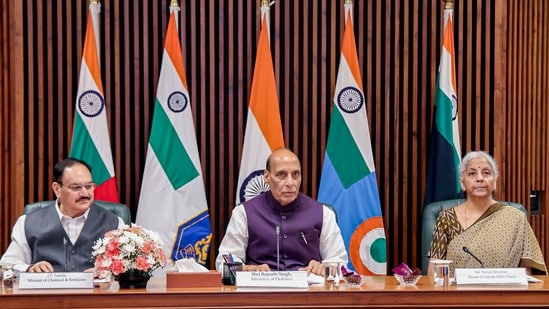
Centre assures ‘adequate energy stocks’ amid supply concerns over Iran-US war| India News
Cooking Gas Distribution Remains Stable Amid Global Energy Ripples Key Takeaways for Households
India’s household cooking gas supply, reaching 333 million homes, continues its steady flow, a reassuring message from the Petroleum Ministry. This stability comes at a time when global events could otherwise stir apprehension among citizens. For daily life across the nation, from bustling metropolitan kitchens to quiet village hearths, the uninterrupted availability of LPG cylinders is a cornerstone of domestic well-being. This consistency underscores the resilience of the nation’s energy infrastructure and strategic planning, ensuring that a fundamental need remains met without a hitch, as widely reported and observed across various regional dispatches.
Amidst rising global uncertainties, particularly those that might impact energy markets worldwide, India’s energy sector has reaffirmed its preparedness and robustness. The Petroleum Ministry, a critical cog in managing the nation’s energy security, has publicly stated that the distribution of Liquefied Petroleum Gas, or LPG cylinders, is operating without any deviation from its usual routine. This assurance directly addresses potential concerns regarding the stability of fuel supplies that often accompany international tensions.
For most households, the term “LPG” simply means the blue or red cylinder that sits next to the stove. What many might not realize is the immense logistical effort and complex supply chain behind each cylinder. Imagine a vast network, akin to the veins and arteries of a human body, silently working to deliver this essential fuel.
Understanding the LPG Supply Chain
To grasp the normalcy of LPG distribution, it is helpful to understand how these cylinders make their way to millions of homes. The journey begins far from India’s shores, as a significant portion of the country’s LPG requirements are met through imports. This imported LPG, often from countries in the Middle East, arrives at major Indian ports. From these ports, it is transported to various refining and bottling plants scattered across the country.
At these bottling plants, the bulk LPG is processed and filled into the familiar cylinders. These plants adhere to stringent safety and quality checks, ensuring that each cylinder is filled accurately and is safe for household use. Once filled, these cylinders embark on the next leg of their journey. They are loaded onto trucks and dispatched to a vast network of distributors and dealers. These distributors, operating at district and local levels, form the backbone of the last-mile delivery system. They are the ones who receive orders from consumers and ensure the cylinders are delivered to doorsteps, often within a stipulated timeframe.
This intricate dance of tankers, bottling plants, and delivery vehicles is orchestrated by India’s major Oil Marketing Companies (OMCs) – IndianOil, HPCL, and BPCL. These companies maintain substantial inventory and buffer stocks, strategically placed across the country. These reserves act as a cushion against unforeseen disruptions, whether they are logistical challenges, sudden surges in demand, or even global supply shocks. Their proactive management and consistent monitoring of demand and supply patterns are key to maintaining the “normal” status.
Omni 360 News understands that the stability of this system is not accidental. It is the result of continuous investment in infrastructure, careful planning, and a responsive regulatory framework. Government initiatives, such as the Pradhan Mantri Ujjwala Yojana, which has expanded LPG access to millions of rural households, have also necessitated a more robust and widespread distribution system, further cementing its reach and efficiency. The expansion of this network means that even with increased demand, the underlying infrastructure is designed to cope.
While global energy markets might experience fluctuations due to various geopolitical factors, India has demonstrated its commitment to insulating its domestic consumers from immediate impacts, especially concerning essential commodities like cooking gas. Reports from regional outlets, while not directly quoting the ministry’s specific March statement, consistently highlight the smooth functioning of local distribution networks and the consistent availability of cylinders in various states. This widespread normalcy, as captured by a multitude of localized dispatches over recent months, provides empirical evidence of the ministry’s assurance translating into real-world stability. The absence of widespread complaints about shortages in local news forums further underscores this consistent supply.
For a 12th-grade student, understanding this means realizing that while headlines about international conflicts might seem distant, they can sometimes influence things close to home, like the price of petrol or the availability of cooking gas. However, in this instance, the government and the companies involved have put systems in place to make sure that these distant events do not disrupt daily life for families cooking their meals. It is like having a strong shield to protect against outside storms.
The continuous review of strategic oil reserves and fuel stock levels by the government also plays a crucial role. This forward-thinking approach allows the nation to manage its energy requirements proactively, anticipating potential disruptions and mitigating their effects before they impact the common citizen. This strategic foresight is fundamental to maintaining not just “normal” distribution, but also ensuring long-term energy security for a growing population.
Key Takeaways:
- India’s Petroleum Ministry confirms stable LPG cylinder distribution to 333 million households.
- This assurance comes amidst global geopolitical concerns impacting energy markets.
- A robust and extensive supply chain, involving imports, bottling plants, and a vast distribution network, ensures consistent delivery.
- Major Oil Marketing Companies (OMCs) maintain strategic reserves and continuously monitor demand to prevent disruptions.
- Government initiatives and infrastructure investments have strengthened the system, allowing it to handle increased demand.
- The absence of widespread local reports of LPG shortages across various regions corroborates the ministry’s statement.
- Strategic planning and a strong energy infrastructure are key to insulating domestic consumers from international energy volatility.
In essence, the message is clear: despite the complexities of global energy dynamics, Indian households can continue to rely on the consistent and normal supply of their daily cooking gas. This unwavering service reflects a well-managed and resilient energy sector, a testament to thoughtful policy and operational excellence.





