
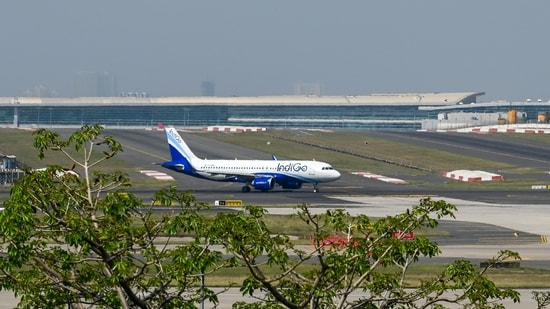
IndiGo announces over 30 new routes from Navi Mumbai airport: Full list of flights here| India News
Navi Mumbai Airport Unlocks New Air Routes Across India
The aviation landscape in Western India is poised for a significant transformation, with Navi Mumbai International Airport soon to become a bustling hub of new flight connections. This substantial expansion, primarily driven by India’s largest airline, Indigo, promises to dramatically enhance travel options for millions, linking the emerging metropolis of Navi Mumbai to a diverse array of key cities and regions across the nation. Omni 360 News has gathered details confirming that this ambitious plan encompasses over 30 new routes, designed to make air travel more accessible, efficient, and convenient than ever before.
A Gateway to New Horizons and Unprecedented Connectivity
The upcoming Navi Mumbai International Airport is far more than just another air terminal; it represents a crucial strategic solution to Mumbai’s ever-growing air traffic demands and a significant step in bolstering regional connectivity. Its operationalization and the subsequent announcement of such a broad route expansion mark a pivotal moment for travel convenience in Western India. The newly unveiled routes are set to establish direct air bridges between Navi Mumbai and a comprehensive list of destinations, ranging from sacred pilgrimage sites and vibrant cultural centers to burgeoning industrial hubs and serene leisure getaways.
Among the highly anticipated additions are direct flights to Agra, globally renowned for housing the majestic Taj Mahal, and Ayodhya, a city now at the forefront of pilgrim tourism due to its immense religious significance. Travelers embarking on spiritual journeys will also find seamless access to Varanasi, another ancient holy city nestled on the banks of the sacred Ganges River. For those yearning for cooler climes, breathtaking natural beauty, and adventure, new connections to Srinagar in the picturesque Kashmir Valley and Bagdogra, which serves as the gateway to the enchanting Darjeeling hills and Sikkim, will be particularly welcomed by tourists and nature enthusiasts.
Within Western India, connectivity will be significantly bolstered with new direct routes to Rajkot, a key industrial and commercial city in Gujarat, and Diu, a charming coastal destination known for its history and beaches. Further south, the addition of Belgaum in Karnataka and Kannur in Kerala will strengthen ties with these dynamic states, facilitating both business ventures and leisurely explorations of their unique cultures and landscapes.
Looking towards the eastern and northern parts of the country, the expansion includes crucial links to Kolkata, India’s cultural capital and a major economic center, and Patna, the historically rich capital of Bihar. Chandigarh, a meticulously planned city in the North known for its urban design and educational institutions, will also gain a direct connection, underscoring the truly comprehensive and pan-Indian nature of this route enhancement.
Understanding the Transformative Impact for Travelers and the Region
For the average traveler, these new direct routes translate into an unprecedented level of convenience and efficiency. Picture a direct flight from Navi Mumbai to Ayodhya for a spiritual pilgrimage, significantly cutting down travel time and eliminating the need for multiple stops or lengthy train journeys. Or envision a seamless connection to Srinagar for a family vacation, bypassing the often-congested Chhatrapati Shivaji Maharaj International Airport in Mumbai. This expansion promises less time spent in transit and more precious moments at your chosen destination, whether your purpose is business meetings, fulfilling religious duties, or simply indulging in leisurely exploration. It offers more choice, reducing the reliance on single-point departures and making air travel a viable option for a broader segment of the population.
From an economic standpoint, the ripple effect of enhanced air connectivity is profound and far-reaching. Navi Mumbai itself, an rapidly developing urban center, stands to gain immensely. Easier and more frequent access will undoubtedly attract a fresh wave of businesses, investors, and tourists, thereby fueling job creation across various sectors and stimulating local commerce. Industries such as hospitality (hotels, guesthouses), local transport services (taxis, ride-sharing), restaurants, and retail outlets are all anticipated to experience a significant boost in activity. The increased footfall also encourages infrastructural development around the airport and within Navi Mumbai.
Furthermore, these new routes are a powerful catalyst for tourism development across India. Destinations like Ayodhya, Varanasi, and Srinagar, which already enjoy immense popularity, will become even more accessible, potentially leading to a substantial increase in visitor numbers. This, in turn, will provide vital support to local economies heavily reliant on tourism, creating sustainable livelihoods for communities. Even regional hubs like Rajkot and Belgaum will benefit from increased visitor traffic, whether it is for trade, educational pursuits, or strengthening family ties.
Navi Mumbai’s Ascendance as a Pivotal Aviation Hub
The strategic decision by an airline like Indigo to launch such an extensive network from Navi Mumbai reflects a clear vision for the future of Indian aviation. With Mumbai’s existing Chhatrapati Shivaji Maharaj International Airport already operating at or near its maximum capacity, the new airport provides much-needed relief and opens up significant expansion opportunities. Airlines can now tap into previously underserved markets and offer more direct connections, thereby enhancing their own network reach, operational flexibility, and passenger base.
This bold move also signals strong confidence in Navi Mumbai’s potential as a standalone and primary travel hub. It is seen as capable of serving not just its immediate local populace but also acting as a highly convenient alternative for travelers residing in Thane, Raigad, and other surrounding regions who previously had to commute to Mumbai. The availability of new flight slots, state-of-the-art infrastructure, and advanced operational capabilities at the Navi Mumbai airport likely played a crucial role in making this ambitious expansion both feasible and attractive for airlines. It promises a smoother, quicker, and more modern airport experience for travelers.
Economic Winds of Change and National Integration
Beyond the immediate advantages for travelers and airlines, these new routes contribute significantly to broader regional and national development. Improved air linkages act as vital arteries for a nation’s economic growth, enabling quicker and more efficient movement of people, goods, and ideas across vast distances. Students traveling for higher education, professionals attending critical conferences, families visiting relatives across state lines, or entrepreneurs exploring new market opportunities – all stand to benefit immensely from these enhanced connections. This robust connectivity strengthens national integration, fostering greater cultural exchange, promoting mutual understanding, and facilitating robust economic collaboration between disparate parts of India.
For example, connecting Navi Mumbai directly to industrial areas like Rajkot or significant educational and administrative hubs like Chandigarh facilitates crucial inter-city exchanges that are fundamental to driving progress and innovation. Similarly, opening up routes to destinations such as Kannur and Belgaum ensures that smaller, yet strategically important, cities are seamlessly integrated into the national network, preventing them from being left behind in the nation’s rapid development trajectory. It’s a testament to a vision that sees air travel as an engine for holistic growth.
Key Takeaways
The launch of over 30 new flight routes from Navi Mumbai International Airport by Indigo marks a landmark development for Indian aviation and regional connectivity.
This expansion offers unprecedented convenience for travelers, significantly reducing journey times and providing direct access to a diverse range of destinations, including spiritual sites like Ayodhya and Varanasi, popular tourist hotspots like Srinagar and Bagdogra, and crucial urban centers such as Kolkata and Chandigarh.
The new routes are poised to deliver a substantial economic boost to Navi Mumbai, attracting investment, stimulating local businesses across sectors, and fostering job creation.
Beyond immediate travel benefits, this strategic expansion will significantly contribute to regional development, strengthen national integration, and enhance India’s overall tourism landscape by making more destinations accessible.
Omni 360 News will continue to monitor the progress and broader impact of these new air connections as Navi Mumbai solidifies its position as a vital and dynamic gateway in India’s rapidly evolving aviation network.





