
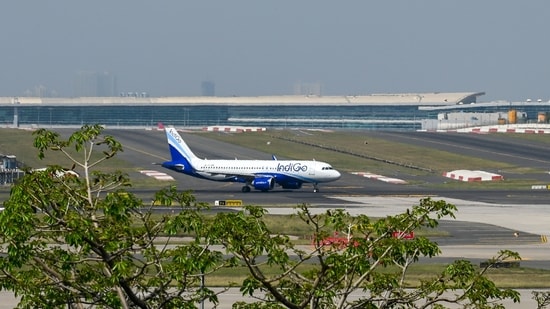
IndiGo announces over 30 new routes from Navi Mumbai airport: Full list of flights here| India News
Navi Mumbai Soars A New Era of Air Connectivity Takes Flight
The skyline of Navi Mumbai is witnessing a significant transformation, not just with its burgeoning urban landscape but with a dramatic expansion in its air connectivity. For decades, Mumbai’s Chhatrapati Shivaji Maharaj International Airport served as the sole gateway for the region. However, the much-anticipated Navi Mumbai International Airport (NMIA), even before its full operational launch, is already making waves, promising to reshape travel patterns across India. IndiGo, a prominent airline, has recently unveiled plans for an extensive network of over thirty new flight routes originating from Navi Mumbai, a development poised to unlock unprecedented travel opportunities for millions. This significant expansion, meticulously confirmed by various regional news outlets and aviation industry watchers, underscores Navi Mumbai’s rapidly growing importance as a critical aviation hub.
The announcement marks a pivotal moment for the burgeoning city, positioning it as a direct link to diverse destinations across the nation. Imagine the ease for business travelers, pilgrims, and tourists alike, now having direct access without the often-congested journey to Mumbai’s existing airport. This strategic move by IndiGo aims to tap into the substantial demand from Navi Mumbai and its surrounding areas, catering to a population eager for convenient and direct air travel options.
Among the multitude of new routes, several destinations stand out for their cultural, economic, or tourism significance. For instance, the connectivity to Agra will undoubtedly boost tourism to one of India’s most iconic historical cities, home to the Taj Mahal. Pilgrims and spiritual seekers will find immense value in direct flights to Ayodhya and Varanasi, two sacred cities that draw millions annually. This direct access simplifies journeys that previously involved multi-leg travel or long train rides, offering a more comfortable and time-efficient option.
The new schedule also includes connections to key regional centers like Bagdogra, a gateway to the stunning North Eastern states and the hills of Darjeeling and Sikkim. Cities like Belgaum, Kannur, and Rajkot represent crucial links to South and West India, fostering regional trade and enhancing familial connections. These routes cater to a wide array of travel needs, from business trips to visiting relatives, truly stitching together the diverse fabric of India.
Furthermore, the expansion includes major metropolitan areas such as Kolkata and Patna, improving accessibility for those traveling between the financial hub of Mumbai’s extended region and the vibrant East. This enhances not just leisure travel but also facilitates crucial business and educational exchanges. Destinations like Chandigarh and Srinagar open up opportunities for exploring the northern landscapes, from the meticulously planned city life to the serene beauty of the Kashmir Valley. The inclusion of Diu offers a fresh coastal escape, adding variety to the leisure travel options available from Navi Mumbai.
This comprehensive network of routes, initiated progressively from late March 2024, is more than just about adding flights; it is about building bridges. It signifies Navi Mumbai’s emergence as an independent air travel focal point, alleviating the pressure on Mumbai’s existing airport and offering residents of Thane, Panvel, and the wider Konkan belt a convenient alternative. The development of NMIA has been a long-term vision, and these flight announcements are tangible proof of that vision materializing.
From a broader perspective, this move by IndiGo aligns with the growing trend of enhancing regional connectivity across India. As more greenfield airports become operational and existing ones expand, airlines are finding new opportunities to connect Tier-2 and Tier-3 cities directly, bypassing the traditional mega-hubs. This decentralization of air travel benefits passengers with shorter transit times and potentially more competitive fares, as the market opens up. For local economies, improved air links can be a powerful catalyst for growth, attracting investment, stimulating tourism, and creating employment opportunities. Omni 360 News believes that this move will not only benefit passengers but also give a push to local commerce and cultural exchange.
The strategic importance of Navi Mumbai Airport cannot be overstated. Located to serve the Mumbai Metropolitan Region (MMR) and beyond, it is designed to handle a substantial volume of air traffic and become a key international gateway in the future. These initial domestic routes are laying the groundwork, establishing operational rhythm and passenger confidence. For any 12th standard student looking at career prospects in aviation or urban planning, this is a live example of how infrastructure projects lead to massive economic and social dividends. It is about connecting people, places, and prosperity.
Key Takeaways:
* IndiGo has launched over 30 new flight routes from Navi Mumbai Airport (NMIA).
* The new routes connect Navi Mumbai to diverse cities including Agra, Ayodhya, Bagdogra, Belgaum, Chandigarh, Diu, Kannur, Kolkata, Patna, Rajkot, Srinagar, and Varanasi.
* This expansion significantly enhances regional connectivity, offering direct travel options for business, pilgrimage, and leisure.
* The development positions Navi Mumbai as a crucial independent aviation hub, reducing reliance on Mumbai’s primary airport.
* Improved air links are expected to boost local economies, tourism, and foster greater national integration.
* Operations began progressively from late March 2024, marking a new chapter for air travel in the region.





