
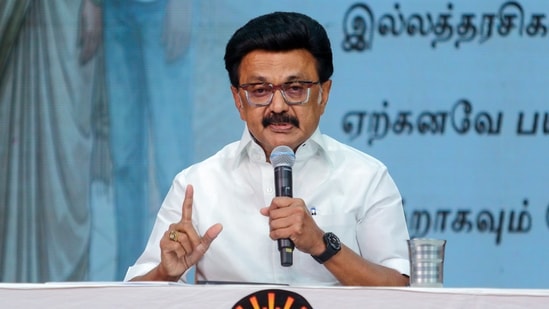
₹8,000 coupon, free travel for women, skill training and more: Key promises from DMK's manifesto for Tamil Nadu polls| India News
Tamil Nadu Gears Up for April 23 Polls DMK Unveils Ambitious Promises
As the political heat intensifies across the southern state, Tamil Nadu is preparing to cast its votes in a single phase on April 23. This crucial electoral exercise will see citizens decide the future direction of the state, with the counting of votes slated for May 4 by the Election Commission of India. Political parties are leaving no stone unturned, engaging in robust campaigns and presenting their visions through comprehensive manifestos designed to resonate with diverse sections of the electorate.
The Dravida Munnetra Kazhagam (DMK), a prominent political force in Tamil Nadu, has laid out an ambitious roadmap, articulating a series of promises aimed at addressing key socio-economic challenges and fostering inclusive growth. These pledges, carefully crafted, speak to the aspirations of women, youth, farmers, and the elderly, outlining specific initiatives that could shape public discourse and influence voter sentiment as reported by Omni 360 News.
One of the cornerstone promises from the DMK manifesto is a significant financial assistance initiative for women family heads. The party has proposed an annual financial support of an Rs 8,000 coupon. This program aims to empower women economically, providing a direct injection of funds into households, thereby enhancing their purchasing power and contributing to the family’s overall well-being. This move is seen as a continuation of the party’s commitment to women’s empowerment, building on existing welfare schemes. The intention behind such a provision is to alleviate financial burdens, particularly for those in lower-income brackets, and to recognize the invaluable contribution of women in managing household finances. The details surrounding the implementation, eligibility criteria, and distribution mechanism would be crucial in ensuring its effective reach to the intended beneficiaries, promising a direct impact on the lives of countless families across the state.
Another widely welcomed proposal is the pledge for free travel for women on all government buses. This initiative, if implemented, would significantly ease the daily commute for millions of women, particularly those from working-class backgrounds, students, and daily wage earners. The financial savings from daily travel expenses could be substantial, allowing women to reallocate funds towards education, healthcare, or other essential needs. Beyond the economic benefit, free public transport fosters greater mobility, enabling women to access job opportunities, educational institutions, and healthcare facilities more easily, thereby promoting greater participation in public life and reducing gender-based mobility barriers. It represents a tangible effort to make public services more accessible and equitable, reflecting a broader commitment to social justice.
Addressing the critical need for employment and skill development among the youth, the DMK manifesto also includes robust plans for skill training programs. Recognizing the rapidly evolving job market and the demands for a skilled workforce, these programs are designed to equip young people with industry-relevant skills, making them more competitive and employable. Such initiatives often involve collaborations with educational institutions and industries, offering vocational training, technical courses, and soft skills development. The goal is to bridge the gap between academic learning and industry requirements, ensuring that the youth of Tamil Nadu are prepared for emerging economic opportunities. Investing in human capital through skill development is seen as a vital strategy for sustained economic growth and reducing unemployment rates across the state.
Further strengthening its social welfare agenda, the DMK has also promised the expansion of the popular breakfast scheme. Currently benefiting numerous schoolchildren, the expansion would ensure that more children, particularly in government schools, start their day with a nutritious meal. This is not just about hunger alleviation; it has profound implications for a child’s health, concentration in class, and overall academic performance. Studies have consistently shown a link between nutritious meals and improved learning outcomes, making this a crucial investment in the future generation of the state. It underscores the party’s focus on foundational well-being and equitable access to education.
In a move aimed at alleviating distress among vulnerable communities, the manifesto also highlights promises related to loan waivers for farmers and Self-Help Groups (SHGs). Farmers, often facing the brunt of unpredictable weather patterns and market fluctuations, stand to benefit significantly from such waivers, which can provide much-needed relief from debt burdens. Similarly, waiving loans for women-led SHGs empowers these groups to continue their entrepreneurial activities and contribute to local economies without the fear of crippling debt. These measures reflect a deep understanding of the economic vulnerabilities faced by these crucial segments of society and aim to provide a safety net, fostering resilience and economic stability.
Additionally, the DMK has pledged to increase the old-age pension, offering a crucial lifeline to senior citizens who often rely on such support for their daily sustenance. Enhancing the pension amount acknowledges the rising cost of living and aims to provide elderly citizens with a greater sense of dignity and financial security in their twilight years. These social security measures are vital in building a compassionate society that cares for its most vulnerable members.
The manifesto further touches upon cultural aspects, reiterating a commitment to the revival and protection of traditional practices like jallikattu, a popular bull-taming sport. This promise appeals to cultural sentiments and aims to preserve the state’s unique heritage. Beyond specific schemes, the DMK’s manifesto also emphasizes the party’s unwavering commitment to upholding state rights and federalism, a consistent theme in its political ideology, advocating for greater autonomy for states within the Indian federal structure.
Key Takeaways:
* Tamil Nadu votes on April 23, with results on May 4.
* DMK’s manifesto focuses heavily on social welfare and economic empowerment.
* Key promises include Rs 8,000 coupon for women family heads, free bus travel for women, and comprehensive skill training for youth.
* The party also pledges to expand the breakfast scheme, waive loans for farmers and SHGs, and increase old-age pensions.
* Cultural preservation and state autonomy are also central themes in the DMK’s vision for Tamil Nadu.
As the polling day approaches, voters across Tamil Nadu will weigh these promises against the track records of various parties and candidates. The comprehensive nature of the DMK’s manifesto reflects a deep engagement with the socio-economic fabric of the state, presenting a clear agenda for governance. The period leading up to April 23 will be vital for parties to effectively communicate their vision and for citizens to make informed decisions that will shape Tamil Nadu’s trajectory for the years to come.





