
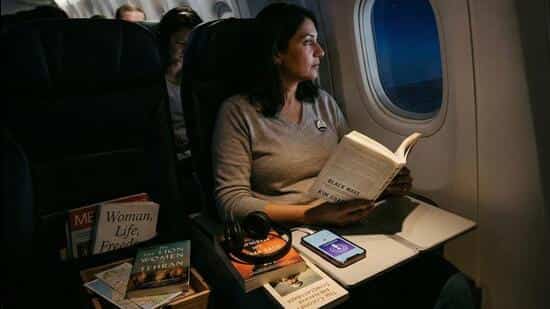
Book Box
Understanding West Asia Conflict Through Diverse Narratives
As events continue to unfold across West Asia, a noticeable trend is emerging among those seeking to comprehend the intricate geopolitical landscape. Beyond the often-rapid and sometimes overwhelming stream of daily news, individuals are increasingly turning to a wider array of informational mediums. Books, podcasts, and even graphic narratives are becoming essential tools for audiences aiming to separate verified facts from the pervasive shadows of misinformation. This shift reflects a profound public appetite for deeper context and humanized understanding, a phenomenon Omni 360 News has observed across various communities.
The modern news cycle, while immediate, can sometimes present events in fragmented pieces, making it challenging to grasp the historical underpinnings and complex motivations driving the conflict. Readers, from students to seasoned professionals, are actively seeking resources that offer a more comprehensive perspective.
Books Offer Historical Depth
Long-form books provide an invaluable foundation, allowing readers to delve into the rich, often tumultuous history of the West Asia region. These include detailed historical accounts, nuanced geopolitical analyses, and personal memoirs. Such works offer a “35,000-foot view,” as some describe it, giving crucial context to current events. They help illuminate the long-standing ethnic, religious, and political dynamics that shape the present, moving beyond a simple cause-and-effect narrative. By immersing themselves in these narratives, individuals can build a robust understanding, making them less susceptible to oversimplified or biased information. Many local bookstores and libraries report increased interest in titles covering the region’s history and politics, signifying this quest for knowledge.
Podcasts Provide Nuanced Insights
Audio content has also become a powerful avenue for exploration. Podcasts offer accessible, in-depth discussions with experts, academics, and journalists directly involved in or analyzing the region. They present diverse perspectives, allowing listeners to hear firsthand accounts and balanced analyses that might be condensed in shorter news reports. The conversational format fosters a sense of intimacy and allows for exploration of complex topics in a digestible manner. This medium excels at bringing human voices and varied viewpoints to the forefront, fostering a deeper, more empathetic understanding of the conflict’s human toll and political intricacies. Community forums and online groups frequently recommend specific podcasts that offer balanced and well-researched content on the region.
Graphic Narratives Humanize Conflict
Perhaps surprisingly, graphic novels and illustrated narratives are also playing a significant role. These visual storytelling mediums effectively humanize complex geopolitical situations. By combining compelling artwork with concise text, graphic narratives can convey personal stories, historical events, and cultural nuances in a uniquely impactful way. They make the intricate history and present realities of West Asia more accessible, especially for younger audiences, bridging gaps that traditional text sometimes leaves. Such works can break down complex ideas into understandable segments, offering a relatable entry point into challenging topics. Cultural blogs and local art initiatives highlight how these visual stories are sparking conversations about empathy and understanding.
Empowering Against Misinformation
Collectively, these varied resources empower readers to critically assess information and build informed opinions. By offering robust historical context, diverse expert analyses, and deeply humanized perspectives, they equip individuals with the tools to navigate the onslaught of online misinformation. This deliberate engagement helps foster critical thinking, moving beyond emotional reactions to fleeting headlines and instead cultivating a more informed global citizenry. This proactive approach to understanding is crucial in an era where information, and disinformation, spreads rapidly.
Key Takeaways:
* Readers are actively seeking deeper context beyond daily news.
* Books provide essential historical and geopolitical understanding.
* Podcasts offer accessible, nuanced expert analysis and diverse viewpoints.
* Graphic narratives humanize complex conflicts through visual storytelling.
* Engaging with these varied mediums helps combat misinformation and fosters informed opinions.





