
CM Yogi says 9 lakh youth given govt jobs in UP since he took charge| India News
Uttar Pradesh Job Selection Under Scrutiny CM Yogi Challenges Opposition on Transparency
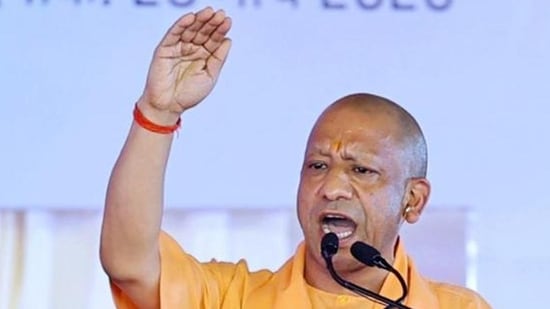
Uttar Pradesh Chief Minister Yogi Adityanath recently put the spotlight firmly on the state’s job selection process, asserting that his administration has provided approximately 9 lakh government jobs since taking office in 2017. More notably, the Chief Minister openly challenged opposition parties to question the transparency of these recruitment drives, a bold statement reflecting the government’s confidence in its fair selection mechanisms. This declaration resonates deeply within a state where government employment is a highly sought-after commodity and past processes have often faced public scrutiny.
The Chief Minister’s remarks underscore a significant shift in how Uttar Pradesh approaches public service recruitment. For decades, the process of securing a government job in the state was frequently marred by allegations of favoritism, corruption, and a lack of clear accountability. The perception among the public was often that connections, rather than merit, played a decisive role in appointments. It is against this historical backdrop that CM Adityanath’s challenge takes on added weight, aiming to dispel lingering doubts and cement a new image of integrity.
A New Era of Fair Recruitment
Since 2017, the UP government has introduced several structural reforms designed to streamline and purify the job selection process. One of the most significant changes has been the decision to abolish interviews for Group C and D posts. This move was widely lauded by experts and job aspirants alike, as interviews were often seen as a potential avenue for subjective bias and illicit practices. By making the written examination the sole criterion for selection in these categories, the administration aimed to ensure that only the most meritorious candidates would succeed.
Beyond this, the emphasis has been placed on adopting digital technologies for application submissions, result declarations, and grievance redressal, minimizing human intervention and enhancing speed. Various local news reports from across UP, including regional editions, have consistently highlighted instances where exam results were declared swiftly, and appointment letters distributed in transparent public ceremonies. Such efforts are part of a broader strategy to foster public trust and ensure that every candidate, regardless of background, has an equal shot at securing a government position. The state’s Public Service Commission (UPPSC) and various recruitment boards have been directed to adhere to strict timelines and maintain impartiality throughout.
Breaking Down the Numbers
The figure of 9 lakh jobs is substantial, especially for a state with a vast youth population constantly seeking stable employment. While specific department-wise breakdowns are complex, general reports suggest significant recruitment drives in sectors like the Police Department, Basic Education, Health Services, and various administrative roles. These recruitments address critical shortages in public services while simultaneously providing economic opportunities to lakhs of families. The government’s ‘Mission Rozgar’ initiative has been a coordinating effort to ensure various departments meet their recruitment targets efficiently and transparently.
For a 12th standard student, understanding these figures is simple: imagine a huge number of young people, just like you, completing their studies and applying for jobs that offer stability and a chance to serve the public. These 9 lakh jobs mean that a very large number of these young individuals found government employment in UP, which often comes with good benefits and job security. The challenge on transparency means the government is confident that these jobs were given fairly, not through any unfair means.
The Opposition’s Perspective and the Public Eye
While CM Adityanath’s administration touts its achievements, the opposition, naturally, maintains a critical stance. While they may not directly challenge the *transparency* of every single recruitment drive, their criticisms often revolve around the *total number* of jobs created versus the actual demand, or the perceived slow pace of some recruitment processes. Some opposition leaders argue that despite these efforts, unemployment remains a pressing issue for the state’s massive population, suggesting that the government’s efforts, while commendable, might not be enough to address the full scale of the problem. However, the specific challenge laid down by the Chief Minister regarding the *transparency* of the selection process itself aims to shift the debate from raw numbers to the integrity of the system.
Local media outlets have played a crucial role in documenting both the government’s announcements and the public’s reaction. From hopeful candidates lining up for exams to reports on successful placements, the narrative often emphasizes the desire for a fair chance. Omni 360 News, dedicated to comprehensive regional reporting, has observed that the focus on merit and transparency has indeed generated a sense of hope among job seekers who previously felt marginalized by systemic issues.
Key Takeaways
* Uttar Pradesh CM Yogi Adityanath claims 9 lakh government jobs provided since 2017.
* The CM explicitly challenged the opposition regarding the transparency of these recruitments.
* Key reforms include abolishing interviews for Group C and D posts and promoting digital processes.
* The aim is to ensure merit-based selection and combat historical perceptions of corruption.
* Significant recruitments have occurred in police, education, and health sectors.
* The government’s ‘Mission Rozgar’ coordinates job creation efforts.
* Opposition criticism often centers on the overall scale of job creation versus demand, rather than directly on transparency of selection for the filled posts.
* The public sentiment, as observed by various news sources, generally supports fairer, merit-based processes.
Moving Forward
The ongoing discourse around job creation and transparency in Uttar Pradesh highlights the critical importance of good governance in public employment. The Chief Minister’s open challenge is not just a political statement but an invitation to scrutinize processes that are vital for the state’s youth and its future. As Uttar Pradesh continues its journey of development, ensuring that every citizen has an equitable opportunity to contribute through fair employment practices remains a cornerstone of public trust. The focus on transparent, merit-based selections, as advocated by the current administration, sets a benchmark for other states and reinforces the notion that good governance is intrinsically linked to public service.





