
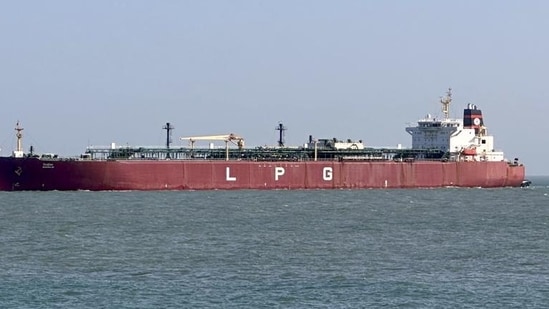
'Missiles, drones flying overhead': How Indian-flagged LPG tanker escaped Strait of Hormuz via channel off Iran coast| India News
Pine Gas Navigates Volatile Hormuz Amidst Regional Flare-Up
The world watched with bated breath as geopolitical tensions in the Middle East escalated dramatically recently. Amidst this backdrop, an Indian-flagged LPG carrier, the Pine Gas, undertook a critical and perilous journey through the Strait of Hormuz, reportedly loading its valuable cargo at the United Arab Emirates’ Ruwais port just hours before a significant regional military exchange commenced. This voyage underscores the immense risks faced by global maritime trade in one of the planet’s most vital energy arteries.
The Pine Gas, a liquefied petroleum gas tanker, became a focal point of discussion within shipping circles and diplomatic corridors following reports of its passage. According to details emerging from various sources, including comprehensive coverage by Hindustan Times, the vessel had completed its loading operations at Ruwais, a major energy export hub in Abu Dhabi, United Arab Emirates, on April 12th. Its departure coincided almost exactly with the build-up to Iran’s unprecedented drone and missile attack on Israel, which began on April 13th.
The Perilous Passage Through a Chokepoint
The Strait of Hormuz, a narrow waterway connecting the Persian Gulf to the Arabian Sea, sees approximately one-fifth of the world’s total oil consumption and a substantial amount of natural gas shipments pass through it daily. Its strategic importance cannot be overstated, making any increase in regional volatility a cause for global concern. For the crew aboard the Pine Gas, navigating this strait as missiles and drones flew overhead was undoubtedly a harrowing experience, a stark reminder of the fragile security environment in international waters. Reports indicated that the crew, while maintaining strict radio silence and adhering to all safety protocols, was acutely aware of the unfolding situation, relying on directives from naval forces and their company for guidance. Their resilience in ensuring the safe transit of critical energy cargo highlights the silent heroism often exhibited by seafarers.
Loading at Ruwais port is a routine activity for many tankers, given its status as a significant hub for refined petroleum products and gas exports. However, the timing of the Pine Gas’s departure transformed a standard commercial operation into a high-stakes maritime feat. The swift escalation between regional powers meant that ships, regardless of their flag, faced an unpredictable environment. Maritime security advisories were heightened, urging extreme caution, vigilance, and strict adherence to designated shipping lanes.
Navigating Geopolitical Crosscurrents
The broader context of the conflict involves complex historical grievances and escalating tensions between Iran and Israel. Iran’s strike was a direct retaliation for an attack on its consulate in Damascus, Syria, which it attributed to Israel. This exchange marked a dangerous shift, moving away from proxy confrontations to direct military engagement between the two adversaries. Such direct action inevitably places commercial shipping, particularly in a sensitive area like the Strait of Hormuz, in the direct line of fire or indirect disruption.
For a vessel like the Pine Gas, an Indian-flagged carrier, the stakes are particularly high. India is heavily reliant on crude oil and gas imports from the Middle East, making the safety of its vessels and the unhindered flow of energy through the Strait of Hormuz crucial for its economic stability and energy security. The Indian government, through its maritime agencies and diplomatic channels, closely monitors such situations, often issuing advisories and maintaining communication with vessels to ensure the well-being of Indian seafarers and cargo.
Global Repercussions and Future Outlook
The incident involving the Pine Gas is more than just a single voyage; it serves as a potent symbol of the broader challenges facing global supply chains and maritime security. Any significant disruption to shipping in the Strait of Hormuz can send shockwaves through international energy markets, leading to price spikes and supply anxieties. Insurers often re-evaluate premiums for voyages through such high-risk zones, adding to operational costs for shipping companies and, ultimately, consumers.
As an independent news source, Omni 360 News emphasizes the critical need for constant vigilance and diplomatic efforts to de-escalate tensions in maritime chokepoints. The smooth flow of international trade, crucial for economies worldwide, depends on the safety and stability of these routes. The incident involving the Pine Gas is a stark reminder that even routine commercial activity can quickly become a matter of international concern when geopolitical fault lines are active.
Key Takeaways:
* The Pine Gas, an Indian LPG carrier, navigated the Strait of Hormuz during a period of intense Iran-Israel military exchange.
* The vessel loaded cargo at UAE’s Ruwais port just before the major drone and missile attack.
* The Strait of Hormuz remains a critical and volatile chokepoint for global energy trade.
* The safety of commercial shipping and seafarers is directly impacted by regional geopolitical tensions.
* Uninterrupted maritime passage in the Middle East is vital for global energy security and economic stability.
The journey of the Pine Gas stands as a testament to the enduring risks in a world where economic arteries intersect with geopolitical flashpoints. It underscores the quiet bravery of those who keep global trade moving, often in the shadow of conflicts beyond their control.





