
Odisha: Modi praises Biju Patnaik amid row over BJP MP Nishikant Dubey’s remarks| India News
Biju Patnaik CIA Allegations Ignite Political Storm in Odisha
Omni 360 News
A political firestorm has recently swept across Odisha and national political circles, sparked by controversial remarks from Bharatiya Janata Party (BJP) Member of Parliament Nishikant Dubey. The BJP leader from Jharkhand made sensational allegations, linking the revered former Chief Minister of Odisha, Biju Patnaik, to the American intelligence agency, the Central Intelligence Agency (CIA). These claims, rooted in historical conjecture, have drawn sharp criticism from across the political spectrum, forcing even the highest echelons of the BJP to weigh in.
The heart of the controversy lies in Dubey’s assertion that Biju Patnaik was allegedly listed as a CIA contact in a historical account. While the specific source cited by Dubey in various reports is often a book titled “The Blood Telegram” by American author Gary J. Bass, which delves into the 1971 Bangladesh Liberation War and US foreign policy, the interpretation and connection to Biju Patnaik have been fiercely contested. It’s important to understand that historical books, particularly those dealing with intelligence matters, can be open to varied interpretations, and allegations require robust, unchallenged evidence. In this instance, the claims lack widespread historical consensus and have been met with immediate and strong denials from those close to Patnaik and his political legacy.
Biju Patnaik, father of current Odisha Chief Minister Naveen Patnaik, is an iconic figure in Indian history, particularly in Odisha. A towering personality, he was not just a two-time Chief Minister of the state but also a freedom fighter, an ace pilot, an industrialist, and a daring statesman known for his adventurous spirit and contributions to various national and international causes, including aiding Indonesia’s freedom struggle. His image as a nationalist and a champion of Odisha’s interests makes any insinuation of foreign intelligence ties deeply offensive to his supporters and the people of the state. These allegations strike at the very core of his public image and the respect he commands.
The immediate aftermath of Dubey’s comments saw a furious backlash. The ruling Biju Janata Dal (BJD) in Odisha, named after the late leader, naturally led the charge in condemning the allegations as baseless, malicious, and a dishonour to a national hero. BJD leaders vehemently defended Patnaik’s legacy, highlighting his patriotism and unwavering commitment to India. They demanded an apology from Dubey and even from the BJP for allowing such statements to be made. Political observers noted the BJD’s robust defence as a clear signal of their commitment to protecting their founder’s honour, which is intrinsically linked to the party’s identity.
Beyond the BJD, the Congress party also joined in the condemnation, with state and national leaders criticizing Dubey for attempting to tarnish the image of a respected leader. Even within the BJP, the remarks caused considerable discomfort. Several BJP leaders from Odisha found themselves in a difficult position, caught between party loyalty and the need to respect a local icon. Many chose to publicly praise Biju Patnaik, subtly distancing themselves from Dubey’s contentious claims. This internal dissonance underscored the sensitive nature of the allegations and Biju Patnaik’s uncontested popularity across party lines in Odisha.
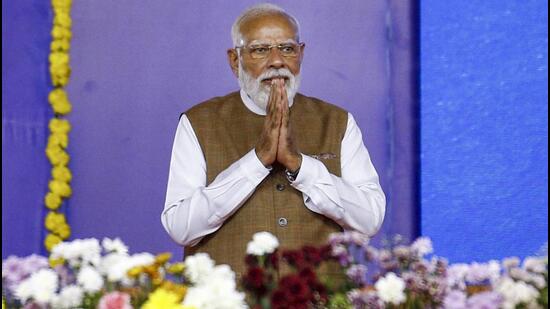
The political temperature escalated further until Prime Minister Narendra Modi’s visit to Odisha. In a significant move to de-escalate the controversy and honour a revered figure, PM Modi used his public platform to profusely praise Biju Patnaik. The Prime Minister lauded Patnaik’s vision, courage, and immense contributions to both Odisha and the nation, carefully avoiding any reference to the recent allegations but clearly articulating respect for his legacy. This strategic intervention from the highest office of the government effectively served to quell the immediate uproar, signaling a clear message across the political spectrum about the BJP’s official stance towards Biju Patnaik’s historical stature.
Such incidents underscore the delicate interplay between historical narratives and contemporary politics. In a nation that reveres its freedom fighters and state-builders, attempts to reinterpret or cast shadows on their legacies can quickly become volatile political issues. For a state like Odisha, Biju Patnaik is more than just a former chief minister; he represents regional pride, a golden era of development, and a symbol of audacious leadership. Any perceived attack on his character is often viewed as an attack on the collective identity and historical memory of the Odia people.
The episode serves as a powerful reminder for politicians to tread carefully when invoking historical figures, especially those whose legacies are deeply embedded in regional and national consciousness. While academic discussions around historical accounts are vital, public allegations, particularly from elected representatives, carry significant weight and can inadvertently ignite unnecessary political strife. This controversy surrounding Biju Patnaik and the CIA, as reported by Omni 360 News, highlights how historical interpretations can become potent weapons in the political arena, demanding careful handling and respect for public sentiment.
Key Takeaways:
* BJP MP Nishikant Dubey alleged Biju Patnaik had links with the CIA, citing a historical book.
* Biju Patnaik is a highly revered former Chief Minister of Odisha, freedom fighter, and nationalist icon.
* The allegations triggered widespread condemnation from the BJD, Congress, and even some within the BJP.
* Prime Minister Narendra Modi, during his Odisha visit, praised Biju Patnaik, effectively de-escalating the political row.
* The incident highlights the sensitivity of historical narratives in contemporary Indian politics and the importance of respecting regional icons.





