
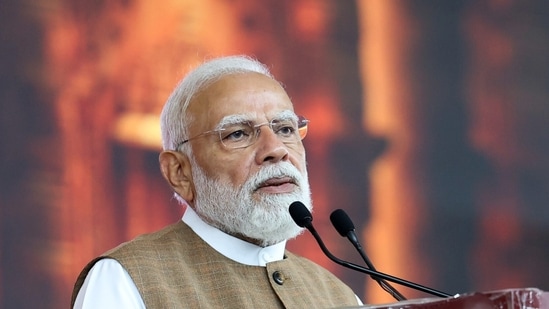
CCS meet today LIVE updates: PM Modi to chair key security meet at 7pm amid Iran war disruptions| India News
India’s Security Cabinet Assesses West Asia Tensions and Essential Supplies Key Takeaways
New Delhi has its gaze fixed firmly on the volatile landscape of West Asia. A critical gathering of the Cabinet Committee on Security (CCS), presided over by Prime Minister Narendra Modi, convened on March 22, taking a deep dive into the evolving situation in the region. This high-level assembly meticulously evaluated the geopolitical flux and, crucially, undertook a comprehensive assessment of India’s essential resource availability amidst the unrest. For readers of Omni 360 News, understanding the nuances of such deliberations is paramount.
The Cabinet Committee on Security stands as India’s apex forum for addressing matters of national security. Comprising the Prime Minister, the Ministers of Defence, Home Affairs, Finance, and External Affairs, its mandate includes reviewing internal and external security challenges, deliberating on defense expenditure, and making critical decisions on foreign policy. Its role is to ensure that India remains prepared and resilient against any threats that could impact its stability and well-being. When the CCS meets, especially to discuss a region as strategically vital as West Asia, it signals a significant national priority.
The West Asia region, often a crucible of complex historical, political, and economic dynamics, has seen heightened instability in recent months. The conflict has far-reaching consequences, extending beyond its immediate geographical boundaries. For a nation like India, with deep historical ties, significant energy dependencies, and a large diaspora in the region, any escalation carries profound implications. The discussions within the CCS would have touched upon a variety of scenarios, from diplomatic engagements to contingency planning.
One of the most pressing concerns for India stemming from West Asian instability is its energy security. India is a major importer of crude oil and natural gas, with a significant portion of these vital resources originating from countries in the Gulf region. Disruptions in supply chains, particularly through critical maritime routes like the Red Sea, directly impact India’s energy landscape. An assessment of critical needs would therefore include a thorough review of strategic oil reserves, diversification of energy sources, and the robustness of existing supply agreements. The government would be evaluating how potential disruptions could affect domestic fuel prices and industrial output, devising strategies to mitigate such economic pressures.
Beyond energy, the stability of global trade routes is another primary concern. The Red Sea, a crucial conduit for international shipping, has faced security challenges, prompting many shipping companies to reroute vessels. This longer, more expensive journey around the Cape of Good Hope increases freight costs and delivery times, which can inflate import bills and affect India’s exports. The CCS would have examined these trade implications, seeking ways to ensure the smooth flow of goods essential for India’s economy and its manufacturing sectors. This involves assessing the resilience of India’s supply chain networks for a wide array of products, from electronics components to agricultural commodities.
Furthermore, the safety and well-being of the vast Indian diaspora residing in West Asia constitute a significant aspect of India’s foreign policy and national security concerns. Millions of Indian citizens live and work in the region, contributing significantly to both India’s economy through remittances and the host countries’ development. Any escalation of conflict raises immediate humanitarian considerations and necessitates robust evacuation plans and diplomatic efforts to ensure their protection. The CCS would have deliberated on contingency measures and coordinated efforts with Indian missions abroad to monitor the situation closely and provide assistance if required.
The March 22 meeting, therefore, was not merely a routine check-in. It represented a proactive measure to anticipate potential challenges and formulate comprehensive responses. Understanding India’s vulnerability points, whether in terms of energy, trade, or its citizens abroad, is fundamental to crafting effective national security policy. By conducting a “detailed assessment on the availability of critical needs,” the CCS aimed to ensure that India possesses sufficient reserves and alternative strategies to withstand external shocks arising from the West Asian conflict. This forward-looking approach underscores the government’s commitment to safeguarding national interests and ensuring economic stability for its populace.
Such high-level reviews are vital for transparent governance and maintaining public confidence, especially when global events cast a shadow of uncertainty. They provide a structured mechanism for various ministries to coordinate their efforts, pooling intelligence and resources to address complex, multifaceted threats. The discussions would have encompassed economic analysis, geopolitical forecasting, and logistical planning, all aimed at bolstering India’s resilience in an unpredictable world.
Key Takeaways:
* The Cabinet Committee on Security, chaired by PM Modi, convened on March 22 to assess the West Asia conflict.
* A primary focus was India’s critical needs, including energy security and trade route stability.
* Disruptions in West Asia directly impact India’s energy imports and global supply chains through routes like the Red Sea.
* The meeting also addressed the safety and well-being of the large Indian diaspora in the region.
* The CCS review underscores India’s proactive strategy to mitigate geopolitical risks and ensure national resilience.
The decisions and strategic directions formulated during this CCS meeting will guide India’s diplomatic outreach and contingency planning in the coming months. It signals a clear intent to protect national interests and ensure the continuous flow of essential resources, a crucial mandate for Omni 360 News to follow and report on.





