
Jet streams driving surge in western disturbances in northwest India| India News
North India Weather Shifts With More Western Disturbances
North India has been experiencing an unusual spell of weather, marked by a significant increase in Western Disturbances. These atmospheric systems, originating far away over the Mediterranean Sea, are the primary drivers of winter and early spring precipitation across the northern parts of the subcontinent. Omni 360 News observes a distinct deviation from typical patterns.
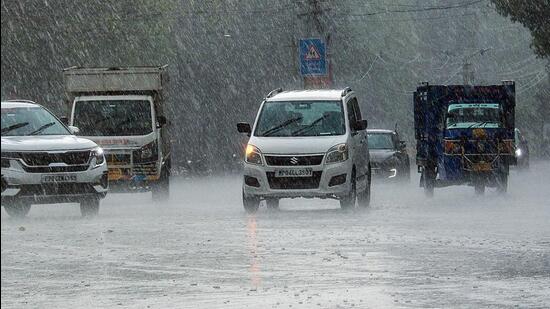
Typically, March sees around five to six such disturbances. However, this year, eight Western Disturbances swept across the region, bringing with them unseasonal rains and snowfall in mountainous areas. Forecasters anticipate at least three more by mid-April, suggesting a prolonged period of unsettled weather.
To understand this uptick, we need to look skyward at the ‘jet stream’. Imagine a powerful, fast-moving river of air high in the atmosphere, circling the globe. This jet stream acts like a steering wheel for weather systems. Current observations indicate a stronger, more southerly-shifted jet stream. This shift is effectively guiding more of these moisture-laden disturbances towards India and even intensifying them by drawing additional moisture from the Arabian Sea before they reach the northern plains and mountains.
The impact has been varied. While additional precipitation is generally beneficial for replenishing water reservoirs and snowpack in the Himalayas, crucial for summer water supply, unseasonal heavy rainfall can pose challenges for agriculture, particularly for mature rabi crops nearing harvest in states like Punjab and Haryana. Local reports from Himachal Pradesh and Uttarakhand have noted unexpected snowfall and rain events, affecting daily life and horticulture.
This altered atmospheric dance has led to cooler temperatures and cloudy conditions persisting longer than usual for this time of year, impacting local routines from Delhi to the high peaks. The phenomenon highlights the intricate balance of global weather systems and their direct effects on regional climates.
Key Takeaways
- North India recorded eight Western Disturbances in March, surpassing the normal five to six.
- Three additional disturbances are expected by mid-April, prolonging the unseasonal weather.
- A stronger, southerly-shifted jet stream is the primary factor driving this surge.
- These systems bring vital moisture but can also challenge agriculture with untimely rainfall.
- The increased activity demonstrates how global atmospheric patterns directly influence local weather.





