
Sea conflict beyond oil and energy, expanding to minerals, data, says admiral| India News
Strait of Hormuz Global Trade Lifeline Facing New Realities in West Asia
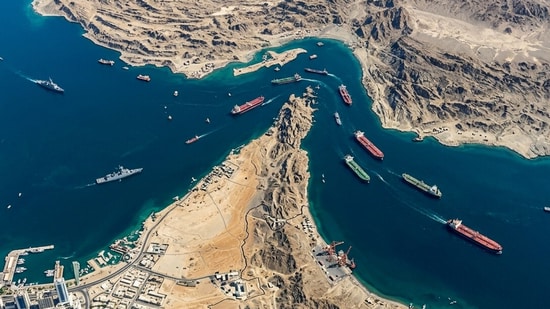
The Strait of Hormuz, a narrow yet profoundly significant international waterway nestled between Iran and Oman, has long been recognized as the pulsating artery of global energy trade. Historically, its primary role was facilitating the immense flow of oil from the Persian Gulf to markets worldwide. However, current geopolitical shifts, particularly the heightened tensions emanating from the conflict in West Asia, are casting a wider spotlight on this vital choke point. Its importance now extends far beyond barrels of crude.
For decades, the world watched the Strait of Hormuz primarily through the lens of oil prices. Any disruption here sent ripples through global economies, demonstrating its indispensable role in energy security. But as the world evolves, so does the nature of global commerce and strategic interests. The Strait is no longer just a superhighway for oil tankers; it has quietly become a critical corridor for an array of other essential goods.
One significant development is the increasing transit of vital minerals through this channel. From industrial metals to rare earths crucial for modern technology, these materials are the building blocks of our digital age and advanced manufacturing. Disruptions to this flow can impact supply chains for everything from smartphones to electric vehicles. Imagine your daily life without access to these components—it is a scenario that highlights the expanded economic stakes.
Furthermore, the Strait of Hormuz is also a critical junction for a vast network of undersea data cables. These invisible lifelines carry a staggering volume of internet traffic, connecting continents and enabling our modern digital economy. A disruption to these cables, whether accidental or intentional, could sever communication links, impacting financial transactions, global communication, and essential online services. This makes the Strait not just an energy or mineral route, but a core component of global digital infrastructure.
The ongoing conflict in West Asia adds a layer of complexity and risk to this already critical waterway. The region’s instability creates an environment where maritime shipping faces increased threats, including potential drone attacks, piracy, or other forms of “hybrid warfare.” These challenges are not merely hypothetical; they represent real dangers to vessels, crews, and the seamless flow of international trade. Ensuring safety and freedom of navigation becomes paramount amidst such volatility.
India, as a major global economy, has significant strategic interests tied to the stability of the Strait of Hormuz. Reliant on Gulf energy and deeply integrated into global supply chains for minerals and digital connectivity, India’s maritime security concerns in the Indian Ocean Region are directly linked to the safe passage through this Strait. India’s naval presence and cooperative efforts with regional partners underscore its commitment to safeguarding these vital economic lifelines. As Omni 360 News has observed, vigilance and collaborative maritime patrols are essential in maintaining stability.
Key Takeaways:
- The Strait of Hormuz is a crucial international waterway for global trade.
- Its strategic importance now encompasses not just oil, but also critical minerals and undersea data cables.
- Ongoing conflicts in West Asia significantly heighten risks to maritime security in the Strait.
- Disruptions can impact global energy, technology supply chains, and digital communications.
- India, among other nations, has profound economic and strategic interests in ensuring its stability and safe passage.
In essence, the Strait of Hormuz is a microcosm of the interconnected global economy. Its continued safe operation requires sustained international cooperation and diplomatic engagement, ensuring that this indispensable artery remains open for the benefit of all nations. The challenges are complex, demanding a comprehensive approach to maintain peace and security in these critical waters.





