
Sea conflict beyond oil and energy, expanding to minerals, data, says admiral| India News
Strait of Hormuz Global Lifeline Beyond Oil
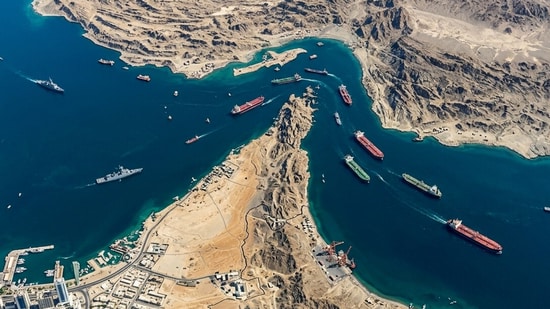
The Strait of Hormuz, a narrow yet profoundly significant international waterway nestled between Iran and Oman, has long stood as a pivotal artery for global energy. Its strategic geography ensures it remains a constant focus, particularly amid the escalating tensions and conflicts in West Asia. However, an analysis by Omni 360 News reveals that the strait’s importance extends far beyond its traditional role as a conduit for oil, now encompassing critical mineral shipments and the invisible threads of global data infrastructure.
For decades, the Strait of Hormuz has been synonymous with the world’s oil supply. It is the sole maritime passage from the Persian Gulf to the open ocean, through which roughly one-fifth of the world’s total oil consumption, along with a substantial portion of liquefied natural gas, travels daily. This sheer volume of energy transit makes it an indispensable chokepoint, directly impacting global energy markets and economies. Any disruption here sends immediate ripples across continents, highlighting its irreplaceable function in powering industries and homes worldwide.
The evolving global economy, driven by technological advancements and sustainable energy transitions, has added new layers of strategic value to the strait. Beyond crude oil and gas, the waterway is increasingly crucial for the transportation of essential minerals. These include bauxite, copper, nickel, manganese, and various iron ores – raw materials vital for everything from electric vehicle batteries and advanced electronics to defense equipment. As nations strive for supply chain resilience and secure access to these foundational components for modern industries, the unhindered flow through the Strait of Hormuz becomes paramount. Its disruption could not only impact energy prices but also slow technological progress and manufacturing capabilities globally.
Adding another critical dimension to the strait’s strategic significance are the sprawling networks of undersea fiber optic cables that crisscross its seabed. These invisible arteries carry vast amounts of the world’s internet traffic, facilitating global communication, financial transactions, and digital commerce. In an increasingly interconnected world, the security of these data cables is as crucial as the security of oil tankers. Any damage or deliberate interference could lead to widespread internet outages, impacting economies and societies far beyond the immediate region. Protecting these digital lifelines is a complex challenge, often overshadowed by visible maritime threats, yet equally vital for global stability.
The ongoing West Asia conflict further magnifies the vulnerabilities inherent in the Strait of Hormuz. Incidents in nearby waters, including drone and missile attacks on shipping, underscore the persistent maritime security threats. Such actions not only endanger commercial vessels but also raise insurance costs and deter shipping, potentially leading to bottlenecks and global supply chain disruptions. The international community, including naval forces from various nations, maintains a presence to safeguard these critical global trade routes. The delicate balance of power and the intricate network of interests converging in this region demand constant vigilance and diplomatic efforts to ensure the continued free flow of goods and data.
Key Takeaways:
* The Strait of Hormuz remains indispensable for global oil and gas transport.
* Its strategic importance now extends significantly to crucial mineral shipments for modern industries.
* Undersea data cables traversing the strait are vital for global digital connectivity.
* The ongoing West Asia conflict highlights heightened maritime security risks.
* Disruption here would have profound, multi-faceted global economic and technological repercussions.





