
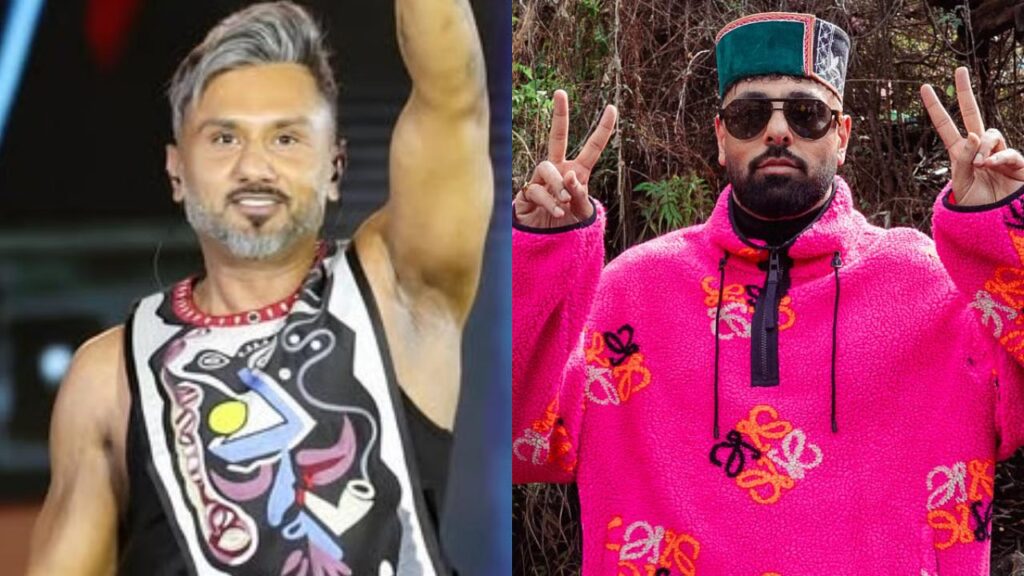
Honey Singh, Badshah face legal heat as Pune concert row adds to trouble
Honey Singh and Badshah Face Legal Scrutiny Over ‘Volume 1’ While Pune Concert Delay Sparks Fan Outcry
In recent days, the Indian music landscape, particularly its hip-hop and rap segments, has been abuzz with developments concerning two of its most prominent figures: Yo Yo Honey Singh and Badshah. Both artists, known for their chart-topping hits and massive fan following, find themselves entangled in legal issues over allegedly vulgar lyrics in their collaborative track “Volume 1,” even as Honey Singh independently faces a wave of fan frustration following the abrupt postponement of his highly anticipated Pune concert. This confluence of events has thrust the entertainment industry’s responsibility, artistic freedom, and consumer expectations into sharp relief.
The legal challenge centers on a complaint filed regarding the song “Volume 1,” which features both Honey Singh and Badshah. Local reports indicate that a district court has taken serious note of the content, specifically pointing to lyrics deemed “vulgar” and “obscene.” The court has reportedly ordered local law enforcement authorities to investigate the matter thoroughly and take appropriate action. This directive is a significant development, as it underscores the judiciary’s increasing willingness to scrutinize artistic content that may cross lines of public decency and morality, as defined by existing statutes. For an artist, such a court order is more than a mere inconvenience; it signals a potential legal battle that could impact their public image and creative output.
Understanding the gravity of this situation for a 12th standard student, it’s like this: imagine writing a poem for a school competition. If your poem contained words or phrases that many people in your community found deeply offensive or inappropriate, even if you felt it was creative, the school administration might step in. In this case, a court, acting as a guardian of public standards, has received a complaint about the song’s lyrics. Their order means they want the police to look into whether these lyrics break any laws about what’s considered publicly acceptable or decent. It’s a debate about creative expression versus what society, through its laws, deems acceptable for public consumption, especially when it comes to material that might be accessed by younger audiences.
This isn’t an isolated incident within the Indian music industry. Debates surrounding lyrics and their potential impact on social norms have long been a sensitive topic. Artists often defend their work as a reflection of reality or a form of artistic expression, pushing boundaries to comment on society. However, legal frameworks exist to regulate content that might be deemed injurious to public morality or prone to inciting certain behaviors. The outcome of this investigation into “Volume 1” could set an important precedent for future lyrical content in popular music, particularly for genres that often delve into themes that some might find provocative.
Adding to the complexities for Yo Yo Honey Singh, the artist recently faced a storm of criticism for the last-minute postponement of his sold-out concert in Pune. Fans, many of whom had traveled significant distances and booked accommodations, expressed profound disappointment and anger. Social media platforms became a hub for frustrated concert-goers sharing their stories of financial loss and emotional letdown.
A sold-out concert represents a significant investment of time, money, and emotional anticipation for fans. When such an event is postponed, especially without clear, timely communication or compelling reasons, it damages the artist-fan relationship and raises questions about professional accountability. For fans, it’s not just about losing the ticket money, which is often refunded. It’s about the entire experience: the travel expenses, the hotel bookings, the day off work or school, and the excitement built up over weeks or months. This situation in Pune serves as a stark reminder to artists and promoters alike about the importance of transparent communication and robust contingency planning. A statement from the organizers or Honey Singh’s team citing “unforeseen circumstances” did little to quell the immediate anger, highlighting the need for more detailed explanations in such instances.
The incidents surrounding both “Volume 1” and the Pune concert collectively underscore the multifaceted challenges faced by prominent figures in the entertainment industry. While artists enjoy immense creative freedom and public adoration, they also navigate a complex web of legal responsibilities, public expectations, and the demands of their professional commitments. The digital age, with its instant dissemination of news and opinion, amplifies both their triumphs and their missteps, making every decision a matter of public discourse.
From the Omni 360 News desk, it is clear that these situations will likely influence how artists approach lyrical content and concert logistics moving forward. The legal scrutiny over “Volume 1” reinforces the continuous dialogue between artistic expression and societal standards, while the Pune concert’s aftermath highlights the critical importance of respecting fan commitment and managing expectations.
Key Takeaways:
1. Legal Scrutiny on Lyrics: A court order for investigation into “Volume 1” signifies increasing judicial review of song lyrics for content deemed vulgar or obscene. This could lead to stricter self-regulation by artists and labels.
2. Artist Responsibility: The incidents highlight the delicate balance artists must maintain between creative freedom and societal expectations or legal boundaries.
3. Fan Experience Matters: The Pune concert postponement underscores the significant impact on fans, involving financial losses and emotional disappointment, emphasizing the need for clear communication and accountability from artists and event organizers.
4. Precedent Setting: The legal outcome for “Volume 1” could establish a benchmark for future artistic content, while the concert controversy may lead to improved event management practices in the industry.
These recent events serve as a pertinent reminder that while the music industry thrives on innovation and stardom, it operates within a framework of legal obligations and a paramount duty to its audience.







