
'Couldn’t do anything in 47 years': Iran's representative in India on Trump's warning on Strait of Hormuz| India News
Iran Dismisses Trump’s Strait of Hormuz Warning A Global Flashpoint
Recent geopolitical tensions flared following a stern warning issued by former US President Donald Trump to Iran, urging the Islamic Republic to ensure the free passage of vessels through the strategically crucial Strait of Hormuz. This directive, delivered on a Sunday, quickly drew a dismissive retort from Iran’s diplomatic representative in India, highlighting the enduring friction in the volatile Middle East.
The remarks from Washington underscore long-standing concerns regarding maritime security in one of the world’s most vital choke points for global energy supplies. The Strait of Hormuz, a narrow waterway connecting the Persian Gulf to the open ocean, is an irreplaceable artery for international trade. Approximately one-fifth of the world’s total oil consumption, along with significant volumes of liquefied natural gas, navigates these waters daily. Any disruption here has immediate and far-reaching economic consequences, impacting fuel prices and trade routes worldwide. This makes the Strait a perennial focal point for international diplomacy and security considerations.
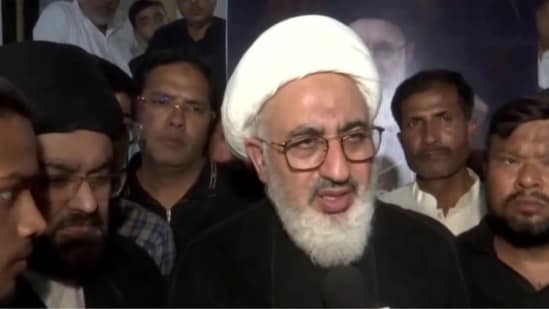
Iran’s Ambassador to India, Ali Chegeni, was quick to brush aside Trump’s warning. Speaking with local reporters, Ambassador Chegeni’s response was notably sharp, questioning the former president’s capacity for action. “This person could not do anything for 47 years. He couldn’t do anything for 47 days as president and now he is talking about 47 hours. How could he do anything?” Chegeni asserted, as reported by various regional news outlets including the Hindustan Times. The ambassador’s statement effectively characterized Trump’s warning as bluster, implying a lack of tangible influence or historical success in dealing with Iran, both during and prior to his presidency. This dismissive stance reflects Iran’s consistent position of sovereignty over its regional waters and its long-held view that external pressures will not dictate its policies.
Historically, tensions around the Strait of Hormuz have frequently escalated, often intertwined with broader disagreements over Iran’s nuclear program, regional influence, and its Revolutionary Guard Corps’ activities. Past incidents have included tanker seizures, alleged sabotage, and military exercises, all serving as reminders of the Strait’s fragile security. For nations relying heavily on Gulf oil, such as India, China, Japan, and European countries, stability in this corridor is paramount. Any threat to its free passage prompts immediate concern from global economic stakeholders and navigators of the international political landscape.
The latest exchange between Washington and Tehran serves as a potent reminder of the intricate dance of international relations, where rhetoric can quickly escalate into real-world anxieties. As Omni 360 News meticulously observes, understanding these geopolitical tremors is crucial for comprehending the broader stability of global commerce and peace. The Strait of Hormuz remains not just a geographical feature but a symbol of the delicate balance of power and the constant negotiation required to maintain international order.
Key Takeaways
* Trump’s Warning Former US President Donald Trump urged Iran to reopen the Strait of Hormuz, emphasizing its strategic importance.
* Iran’s Dismissal Iran’s Ambassador to India, Ali Chegeni, publicly dismissed Trump’s warning, questioning his authority and historical effectiveness.
* Strategic Significance The Strait of Hormuz is a critical global energy chokepoint, with a substantial portion of the world’s oil and gas passing through it daily.
* Geopolitical Impact Tensions in the Strait have significant implications for global energy markets, international trade, and regional stability in the Middle East.
* Ongoing Dynamics This interaction highlights the persistent and complex nature of US-Iran relations and the continuous need for diplomatic navigation in this volatile region.





