
India ‘deeply concerned’ over civilian casualties in Lebanon: MEA on Israeli attack on Beirut| India News
# India Concerned by Lebanon Strikes
By Senior Diplomatic Correspondent, World News Desk, April 10, 2026
New Delhi has officially voiced profound apprehension over the mounting civilian death toll in Lebanon following a series of intense Israeli airstrikes targeting Beirut and its surrounding regions on Friday. The Ministry of External Affairs (MEA) released a comprehensive statement on April 10, 2026, urging an immediate cessation of hostilities and a return to the negotiating table. The recent bombardments mark the deadliest 24-hour period in Lebanon since the wider regional conflict erupted, prompting significant international outcry. Emphasizing the absolute sanctity of human life, India reiterated its long-standing call for diplomacy, warning that the rapidly spiraling violence threatens to destabilize the broader Middle Eastern landscape irreparably and trigger a catastrophic humanitarian crisis. [Source: Hindustan Times]
## The MEA’s Official Stance on Escalation
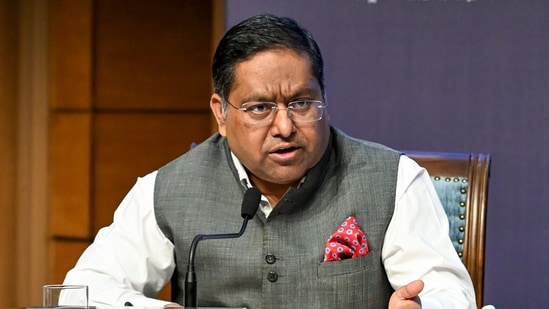
During a scheduled press briefing on Friday evening, the official spokesperson for the Ministry of External Affairs articulated India’s growing alarm regarding the deteriorating security situation in the Levant. The MEA unequivocally condemned the loss of innocent lives, maintaining that while nations have the right to secure their borders against militant factions, operations must strictly adhere to international humanitarian law to prevent disproportionate civilian casualties.
“India is deeply concerned by the escalating violence in Lebanon, particularly the heavy strikes on Beirut that have resulted in an unacceptable loss of civilian life,” the MEA spokesperson stated. “We call upon all involved parties to exercise maximum restraint, prioritize the protection of non-combatants, and immediately engage in de-escalation efforts. The path to lasting security cannot be paved with the lives of innocent civilians.”
This calibrated response highlights New Delhi’s complex diplomatic posture. India has consistently condemned terrorism in all its forms—dating back to the initial triggers of the current geopolitical crisis—but it has increasingly voiced discomfort with the prolonged military campaigns that have devastated civilian infrastructure across Gaza, and now, Lebanon. [Source: Hindustan Times | Additional: MEA Official Press Briefings Archive]
## Unprecedented Violence in Beirut
The trigger for the MEA’s urgent statement was a barrage of airstrikes that struck densely populated neighborhoods in the southern suburbs of Beirut, historically known as strongholds for the militant group Hezbollah. However, the Friday strikes expanded significantly beyond these perimeters, impacting commercial districts and residential zones previously considered safe havens for internally displaced persons.
Local health ministries and international humanitarian organizations operating on the ground reported that the attacks resulted in the highest single-day casualty figure since the current phase of the war began. First responders have been overwhelmed, struggling to navigate roads choked with debris to reach survivors trapped under the rubble of multi-story buildings.
The strikes have not only caused a tragic loss of life but have also crippled essential services. Power grids, water purification facilities, and medical supply chains have been severely compromised, raising the specter of secondary fatalities due to lack of medical care and clean water. The widespread destruction has prompted the United Nations to issue emergency appeals for humanitarian access, echoing India’s concerns regarding the humanitarian fallout.
## New Delhi’s Geopolitical Tightrope
India’s reaction underscores the intricate diplomatic tightrope it continues to walk in the Middle East. Over the past decade, New Delhi has successfully cultivated strong, multi-dimensional relationships with both Israel and the broader Arab world, a policy often described as “de-hyphenation.”
On one hand, India shares a robust strategic and defense partnership with Israel. The two nations collaborate extensively on counter-terrorism, agricultural technology, and defense manufacturing. On the other hand, India has deep historical, cultural, and economic ties with the Arab world. The Middle East is home to approximately 9 million Indian expatriates who send home billions of dollars in remittances annually. Furthermore, the region remains critical to India’s energy security, supplying a significant portion of its crude oil and natural gas requirements.
The expansion of the conflict into Lebanon threatens to upend this delicate balance. If the war draws in other regional actors, India’s strategic investments, such as the ambitious India-Middle East-Europe Economic Corridor (IMEC), could face indefinite delays. New Delhi is acutely aware that a wider regional conflagration could disrupt global supply chains, impacting its own domestic economic growth. [Source: Hindustan Times | Additional: Geopolitical analysis of India’s Middle East policy]
## UNIFIL and India’s Peacekeeping Commitments
A critical, yet often underreported, dimension of India’s concern regarding Lebanon is its substantial contribution to the United Nations Interim Force in Lebanon (UNIFIL). India has historically been one of the largest troop contributors to UN peacekeeping missions worldwide. Currently, a significant contingent of Indian soldiers is stationed in southern Lebanon, tasked with monitoring the cessation of hostilities along the volatile Blue Line separating Lebanon and Israel.
The intensification of Israeli airstrikes and the corresponding retaliatory rocket fire from Hezbollah place these Indian peacekeepers at immense risk. The MEA’s call for immediate de-escalation is driven not only by a broader commitment to global peace but also by the pressing need to ensure the safety and security of its military personnel deployed in the crossfire.
Any harm to UNIFIL personnel would significantly escalate international outrage and force troop-contributing nations, including India, to reconsider their diplomatic strategies. The Indian government is reportedly in continuous contact with UN headquarters in New York and its mission in Beirut to monitor the safety protocols for its peacekeepers and the broader Indian diaspora remaining in the country.
## Expert Perspectives on the Evolving Crisis
Strategic analysts have noted that India’s language has grown notably more assertive as the conflict’s toll on civilians has mounted. The shift reflects a broader consensus within the Global South, which has been increasingly vocal about the need for accountability and humanitarian protections in asymmetric conflicts.
**Dr. Rajan Sharma**, a senior fellow specializing in West Asian geopolitics at the Institute for Defense Studies and Analyses (IDSA), observed, *”India’s statement on the Beirut strikes is a vital indicator of its evolving role as a voice of the Global South. While New Delhi understands Israel’s security imperatives, the staggering civilian toll in Lebanon crosses a threshold. India is signaling that its strategic patience is not infinite and that regional stability must take precedence over endless military campaigns.”*
Similarly, **Ambassador Meera Sanyal**, a former Indian envoy to the region, highlighted the domestic and economic pressures: *”The MEA is looking at the cascading effects. A burning Lebanon means an unstable Mediterranean, volatile oil prices, and threats to the Indian diaspora. The ‘deep concern’ expressed today is a prelude to more active diplomatic back-channeling. India cannot afford a full-scale regional war.”*
## Economic Implications for the Global Economy
The spillover of the conflict into Lebanon has immediate and severe economic implications, particularly for energy-importing nations like India. The Red Sea shipping crisis had already inflated freight costs, and a broader war in the Levant threatens to push crude oil prices to unsustainable levels.
The table below outlines the potential economic indicators that global markets are currently monitoring as a result of the Lebanon escalation:
| Economic Indicator | Immediate Impact (April 2026) | Potential Long-Term Risk if Escalation Continues |
| :— | :— | :— |
| **Brent Crude Oil** | Spiked by 4.5% following the Beirut strikes. | Could exceed $100/barrel if regional oil infrastructure is threatened. |
| **Global Shipping Freight**| Increased insurance premiums for Mediterranean routes. | Prolonged rerouting around the Cape of Good Hope, causing persistent inflation. |
| **Gold (Safe Haven)** | Surged to a record high of $2,450/oz. | Sustained capital flight from emerging markets into precious metals. |
| **IMEC Corridor Progress**| Geopolitical risk halts infrastructure investments. | Long-term delay in establishing the alternative trade route to Europe. |
*Data representation based on current market reactions to the April 2026 Middle East escalation.*
For New Delhi, inflation driven by imported energy costs remains a critical concern. The Reserve Bank of India (RBI) and the Ministry of Finance are closely monitoring the situation, as a prolonged spike in crude oil prices could widen the current account deficit and impact the domestic economic growth trajectory.
## The Humanitarian Response and Evacuation Protocols
As the situation deteriorates, the MEA is also assessing the need for potential non-combatant evacuation operations (NEO). India has a stellar track record of executing massive evacuation missions from conflict zones, such as Operation Ganga (Ukraine), Operation Kaveri (Sudan), and Operation Ajay (Israel).
While a full-scale evacuation order for Lebanon has not yet been issued, the Indian Embassy in Beirut has released a series of stringent advisories over the past 48 hours. Indian nationals have been urged to restrict their movements, avoid areas in the southern suburbs, and keep their travel documents ready. The embassy has also established a 24/7 emergency control room to assist citizens requiring immediate relocation or medical aid.
International aid agencies are pleading for the establishment of secure humanitarian corridors. India, which has historically provided medical and food aid during Middle Eastern crises, is reportedly preparing relief materials to be dispatched via international organizations once safe passage can be guaranteed. The focus remains on providing critical trauma medicines, water purification tablets, and emergency shelters.
## Conclusion and Future Outlook
The MEA’s statement expressing “deep concern” over the civilian casualties in Lebanon represents a critical moment in India’s diplomatic engagement with the ongoing Middle Eastern conflict. By specifically calling out the tragic human cost of the Beirut airstrikes, New Delhi is actively championing the principles of international humanitarian law while striving to protect its strategic, economic, and diasporic interests in a volatile region.
**Key Takeaways:**
* **Diplomatic Shift:** India is increasingly vocal about the need to protect civilians and adhere to international law, balancing its strategic ties with Israel with its responsibilities as a leader of the Global South.
* **Peacekeeper Safety:** The presence of Indian troops in UNIFIL adds a direct national security dimension to India’s demands for de-escalation in Lebanon.
* **Economic Vigilance:** The risk of soaring oil prices and disrupted trade routes places immense pressure on India’s domestic economy, necessitating proactive diplomatic interventions to prevent a wider war.
Moving forward, the international community will be watching closely to see if statements of concern translate into actionable diplomatic pressure. As the conflict risks engulfing the entire Levant, India’s role as a potential mediator—trusted by both Western powers and the Global South—may become increasingly vital in the quest to restore peace to a fractured Middle East.





