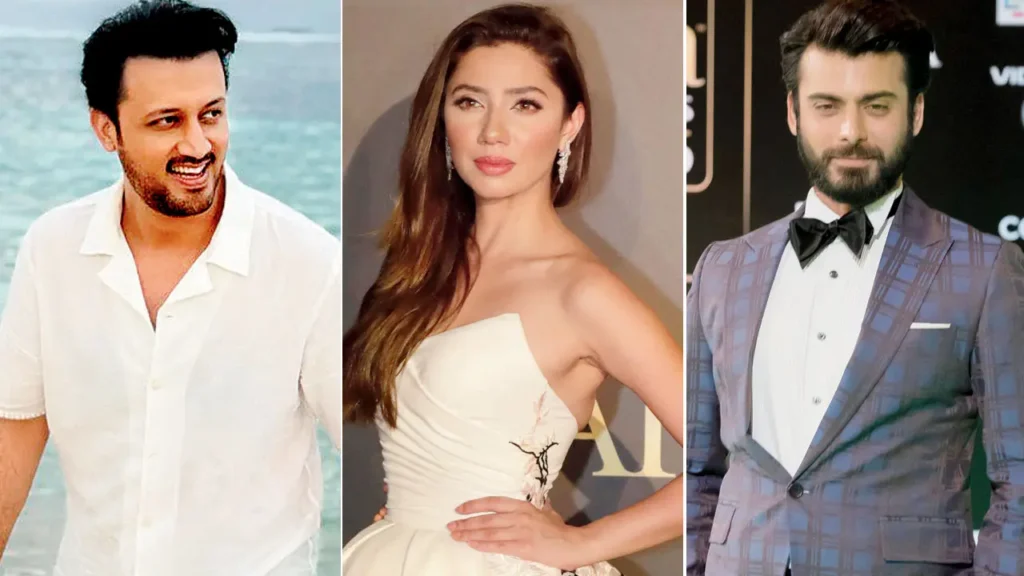
Have you heard? Fawad Khan, Mahira Khan’s Instagram briefly visible in India
Pakistani Celebrity Glimpse on Indian Instagram Ignites Talk of Easing Cultural Bonds
A fleeting digital moment recently sent ripples of hope and speculation across the cultural landscape of India and Pakistan. For a brief window, some of Pakistan’s most beloved actors – Fawad Khan, Mahira Khan, and Hania Aamir – became visible on Instagram for users in India, a development that sparked widespread conversation before their profiles mysteriously vanished once more. This unexpected appearance, nearly a year after heightened restrictions further curtailed cross-border artistic interaction, offered a tantalizing glimpse into what a future of eased cultural ties might resemble.
For years, the exchange of artistic talent and content between India and Pakistan has been a complex, often politically charged affair. Following escalating tensions, particularly after incidents like the 2016 Uri attack and the 2019 Pulwama attack, an unofficial but widely observed ban on Pakistani artists performing or working in India took firm root. This period saw music collaborations cease, film projects stall, and the vibrant cross-pollination of creative industries largely come to a halt. While fans on both sides often expressed a longing for the return of artists like Fawad Khan, who gained immense popularity in India through television dramas and Bollywood films such as “Khoobsurat,” and Mahira Khan, who charmed audiences in “Raees” alongside Shah Rukh Khan, the geopolitical realities kept these artistic bridges largely inaccessible.
Then, for roughly a day, something shifted. Without any official announcement or explanation, Instagram users in India reported a sudden ability to view and interact with the profiles of prominent Pakistani celebrities. This wasn’t a universal unlock, but a significant number of users across various Indian cities confirmed accessing accounts that had previously been inaccessible, often displaying a “user not found” error or simply failing to load content. Screenshots and videos quickly flooded social media platforms, with fans expressing surprise, excitement, and a tangible sense of nostalgia. Local Indian entertainment portals and social media analysts quickly picked up on the phenomenon, highlighting the unexpected development. Reports from smaller news outlets in Mumbai and Delhi noted the palpable buzz among film and television enthusiasts. “It was like a little window opened to a world we thought was closed,” one fan commented on an entertainment forum, reflecting a sentiment echoed by many.
The excitement, however, was as brief as the access itself. Within 24 hours, the digital gateway snapped shut. The profiles once again became unviewable for Indian users, reverting to their restricted status. This sudden disappearance left a trail of questions and a renewed sense of longing. Was it a technical glitch, a temporary server issue, or perhaps a trial run for something larger? The lack of any official statement from Instagram’s parent company, Meta, or from any governmental authority on either side of the border, only deepened the mystery and fueled speculation.
The incident’s true significance lies less in its permanence and more in the intense reaction it provoked. The immediate outpouring of joy and hope among fans underscored the enduring appeal of these artists across national boundaries. Despite years of political rhetoric and restricted movement, the power of art and entertainment to connect people remains undiminished. Social media became a barometer of public sentiment, revealing a widespread desire for cultural exchange to transcend political differences. The brief access served as a powerful reminder of how readily audiences embrace talent, regardless of origin, highlighting a collective yearning for shared cultural experiences.
This digital episode, while short-lived, carries broader implications for cultural diplomacy and the role of digital platforms. In an age where information flows globally, the deliberate blocking or unblocking of artistic content, even for a day, becomes a poignant symbol. It shows how technology can both enforce and, perhaps inadvertently, challenge established political barriers. The incident suggests that while governmental policies can impose restrictions, the inherent human desire for connection and appreciation of art continues to seek avenues for expression and engagement.
From the perspective of Omni 360 News, this fleeting moment offers a unique lens through which to examine the delicate dance between geopolitics and popular culture. It underscores the potential of digital spaces to act as informal cultural ambassadors, even when official channels remain guarded. The brief appearance of these beloved Pakistani artists on Indian Instagram, though quickly reversed, served as a powerful testament to the universal language of art and the persistent hope for cultural reconciliation. It left many wondering if this brief glimmer was just a random occurrence, or a subtle, perhaps accidental, hint of future possibilities where art might once again build bridges where politics has erected walls.
Key Takeaways:
* Brief Digital Return: Pakistani celebrities Fawad Khan, Mahira Khan, and Hania Aamir were briefly accessible on Instagram for Indian users, sparking excitement and speculation.
* Years of Restrictions: This event occurred against a backdrop of ongoing cultural exchange restrictions between India and Pakistan, intensified after the 2019 Pulwama incident.
* Public Reaction: The temporary access generated significant buzz and hope among fans on social media, underscoring a deep desire for renewed cross-border artistic ties.
* Mysterious Disappearance: The access vanished within a day, with no official explanation from Instagram or governmental bodies, leading to further conjecture.
* Cultural Significance: The incident highlights the enduring appeal of artists beyond political borders and the potential of digital platforms to inadvertently challenge or signal shifts in cultural diplomacy. It shows a persistent public longing for shared cultural experiences.