
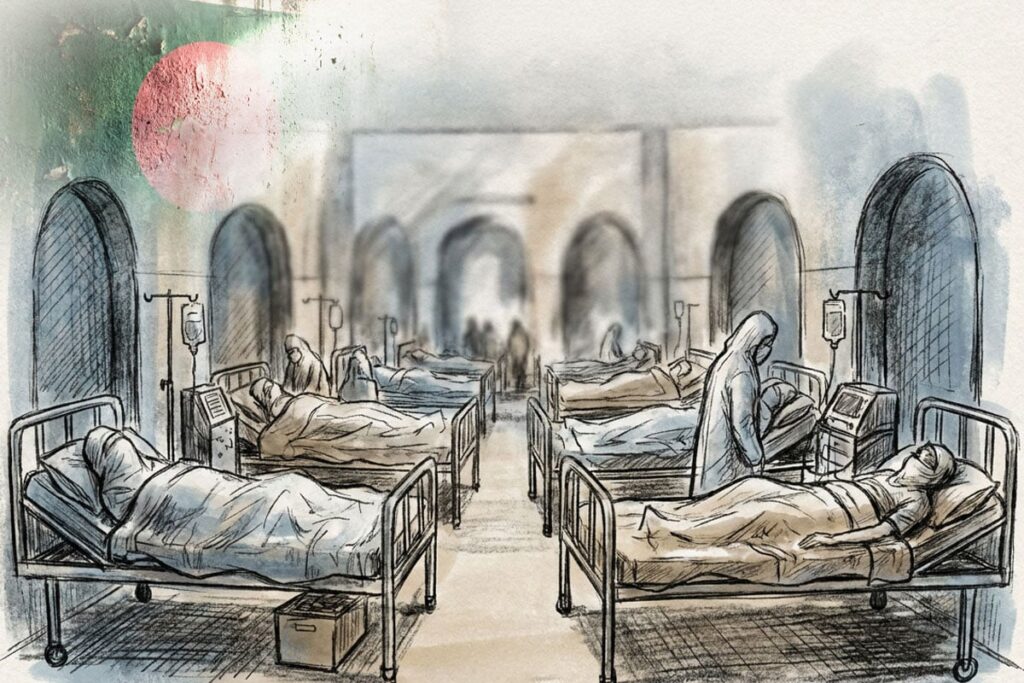
11 more children die of measles in Bangladesh
“`html
Measles Crisis Grips Bangladesh: 11 Children Lost
Imagine the fear. Parents watching their kids sicken, unsure what to do. For 5,000 families in Bangladesh, that nightmare is reality. A measles outbreak is spiraling, claiming young lives and overwhelming healthcare systems.
The situation is grim. Health officials report 11 more children died from measles or measles-like symptoms in the last 24 hours alone. That brings the total death toll since March 15th to a heartbreaking 209. It’s a stark reminder of how quickly preventable diseases can spread. The hardest-hit area appears to be Chittagong, where five children succumbed to the illness. What’s more, over 1,500 new cases were reported just yesterday, pushing the total number of suspected cases this year past 30,000. Nearly 20,500 children have needed hospitalization, though thankfully, over 17,800 have recovered and gone home.
Is Vaccine Hesitancy Fueling This Tragedy?
It’s easy to point fingers, but the truth is complex. While the official reports don’t explicitly state the cause, experts are raising serious concerns about vaccination rates. Years of progress in combating measles are being threatened. A decline in routine immunizations, possibly due to pandemic disruptions or misinformation, is likely a major factor. It’s a devastating consequence of a world grappling with multiple crises. We’ve seen this pattern before – when healthcare systems are strained, preventative care often suffers.
Here’s the core of it: Bangladesh is facing a severe measles outbreak. Over 200 children have died since mid-March, with thousands more infected and hospitalized. Health officials are urging increased vaccination efforts to curb the spread and protect vulnerable children.
This isn’t just a statistic; it’s a crisis of public health. The situation demands immediate action. The Bangladeshi government needs to prioritize a widespread vaccination campaign, reaching even the most remote communities. Beyond that, tackling misinformation about vaccines is crucial. Parents need accurate information to make informed decisions about their children’s health. International aid organizations also have a role to play, providing resources and support to strengthen the healthcare system. Ultimately, preventing measles requires a collective effort – government, healthcare workers, and communities working together.
The experts are clear: without a rapid and intensified vaccination program, this situation will only worsen. It’s a call to action, a plea to protect the most vulnerable among us. Let’s hope the response is swift and effective, before more young lives are lost.
“`





